
Introduction: How to Train a Puppy to Sleep Through the Night Successfully
If you’re searching for how to train a puppy to sleep through the night, you’re probably exhausted. Night crying, barking, and repeated wake-ups can quickly turn puppy excitement into frustration.
The good news? Night waking is completely normal for young puppies.
Most puppies:
• Miss their mother and siblings
• Feel anxious in a new home
• Need midnight potty breaks
• Have not learned a sleep routine
With structure and patience, you can teach your puppy to sleep calmly through the night — often within a few weeks.
This detailed guide will walk you step-by-step through exactly how to train a puppy to sleep through the night using gentle, effective, and beginner-friendly methods.
Why Puppies Wake Up at Night
Before solving the issue, you must understand the reason.
Common causes include:
• Separation anxiety
• Full bladder
• Hunger
• Too much evening energy
• Lack of bedtime routine
Young puppies under 12 weeks usually cannot hold their bladder all night. Expect at least one potty break.
Understanding this prevents unrealistic expectations.

Step 1: Establish a Consistent Bedtime Routine
Routine is the foundation of teaching how to train a puppy to sleep through the night.
Create a predictable pattern every evening:
-
Short evening walk
-
Calm play session
-
Final potty break
-
Water removal 1 hour before sleep
-
Quiet settling time
Dogs thrive on predictability. A repeated sequence signals that sleep time is coming.
Consistency reduces anxiety.
Step 2: Provide Enough Daytime Exercise (But Not Too Late)
A tired puppy sleeps better — but timing matters.
Make sure your puppy gets:
• Morning walk
• Afternoon play
• Mental stimulation games
Avoid intense play right before bedtime. Excitement increases adrenaline, making sleep harder.
Evening activities should be calm and controlled.

Step 3: Use Crate or Defined Sleeping Area
Puppies feel safer in smaller, secure spaces.
Options include:
• Crate
• Puppy pen
• Designated dog bed area
Crates are especially helpful because dogs avoid soiling their sleeping space.
Place the sleeping area:
• Near your bed for first weeks
• In quiet environment
• Away from loud noises
Gradually increase distance later if desired.
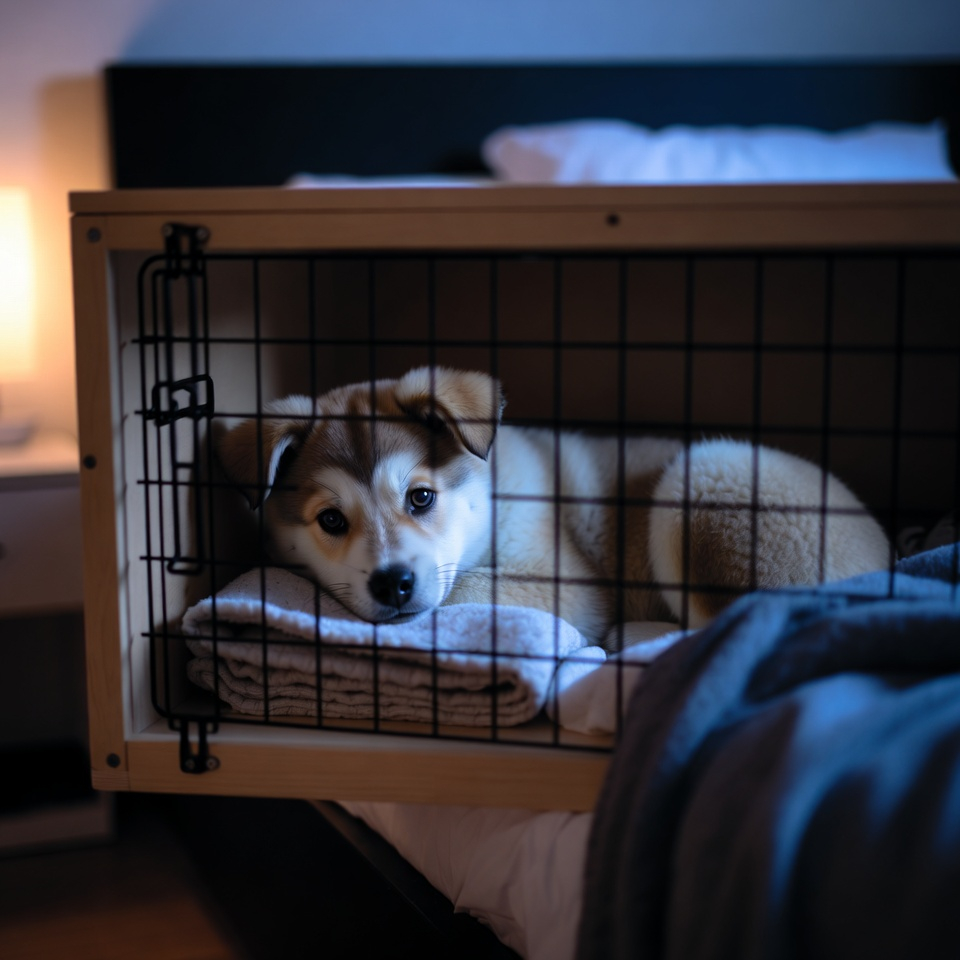
Step 4: Handle Night Crying the Right Way
This is where many owners make mistakes.
If your puppy cries:
-
Wait a few minutes
-
Determine if potty is needed
-
Keep interaction minimal
-
Return puppy calmly
Do NOT:
• Pick up immediately
• Turn on bright lights
• Start playing
Respond calmly and consistently.
Overreacting reinforces night waking.
Step 5: Schedule Night Potty Breaks (If Needed)
Young puppies may need one scheduled break.
Example:
Sleep at 10 PM
Potty break at 2 AM
Back to sleep immediately
Keep break:
• Quiet
• No play
• No excitement
As bladder control improves, gradually remove midnight break.
Most puppies sleep full night by 4–5 months.
Step 6: Avoid Rewarding Attention-Seeking Behavior
If puppy wakes and demands attention:
• Ignore mild whining
• Reward silence
• Praise calm mornings
Dogs repeat behaviors that get attention.
Consistency teaches independence.
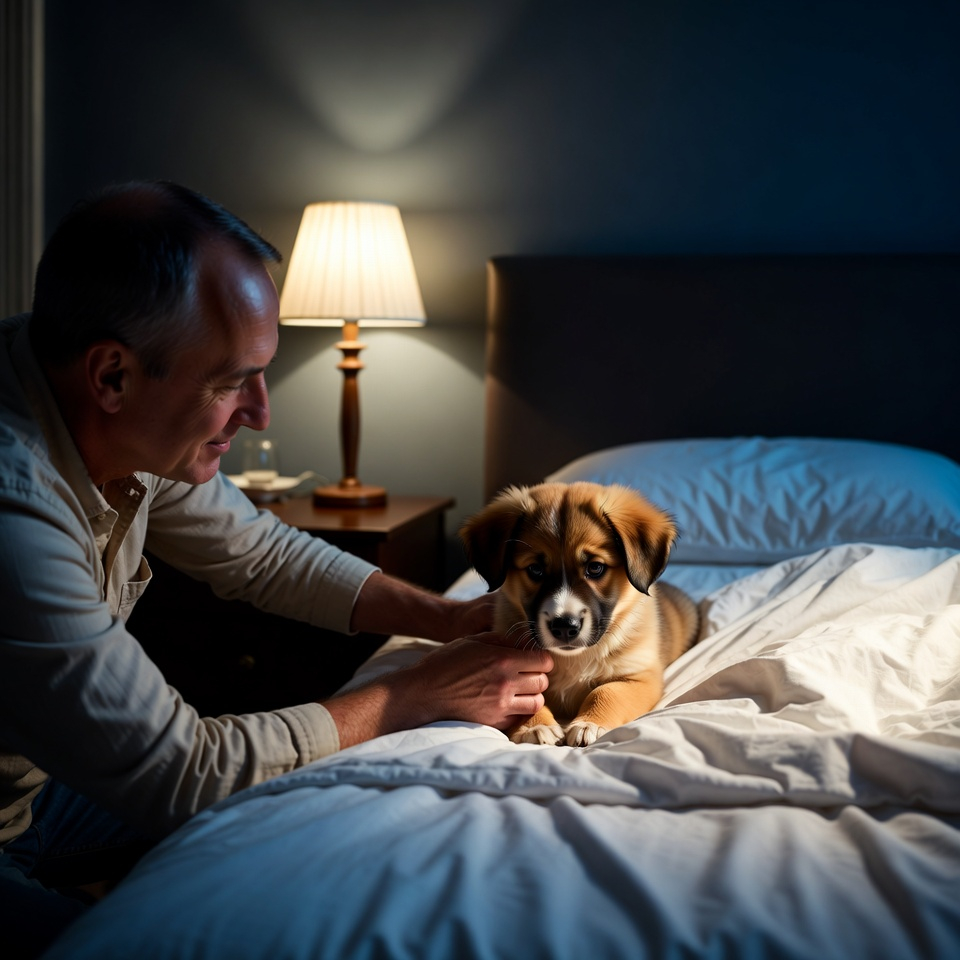
Step 7: Use Comfort Items for Security
Helpful additions:
• Soft blanket
• Safe chew toy
• Worn T-shirt with your scent
• White noise machine
These create emotional comfort.
Scent association reduces loneliness.
Common Mistakes That Delay Night Training
Avoid these errors:
• Letting puppy sleep in different spots randomly
• Playing during night wake-ups
• Inconsistent bedtime
• Allowing late evening zoomies
• Punishing crying
Punishment increases anxiety.
Routine builds confidence.
How Long Does Night Training Take?
Realistic timeline:
First 3 nights → Adjustment phase
1 week → Reduced crying
2–3 weeks → Longer sleep stretches
1 month → Full night sleep (most puppies)
Every puppy learns at different pace.
Patience wins.
When Night Waking May Be Medical
Consult vet if:
• Frequent urination
• Signs of pain
• Sudden regression
• Excessive distress
Always rule out health issues.
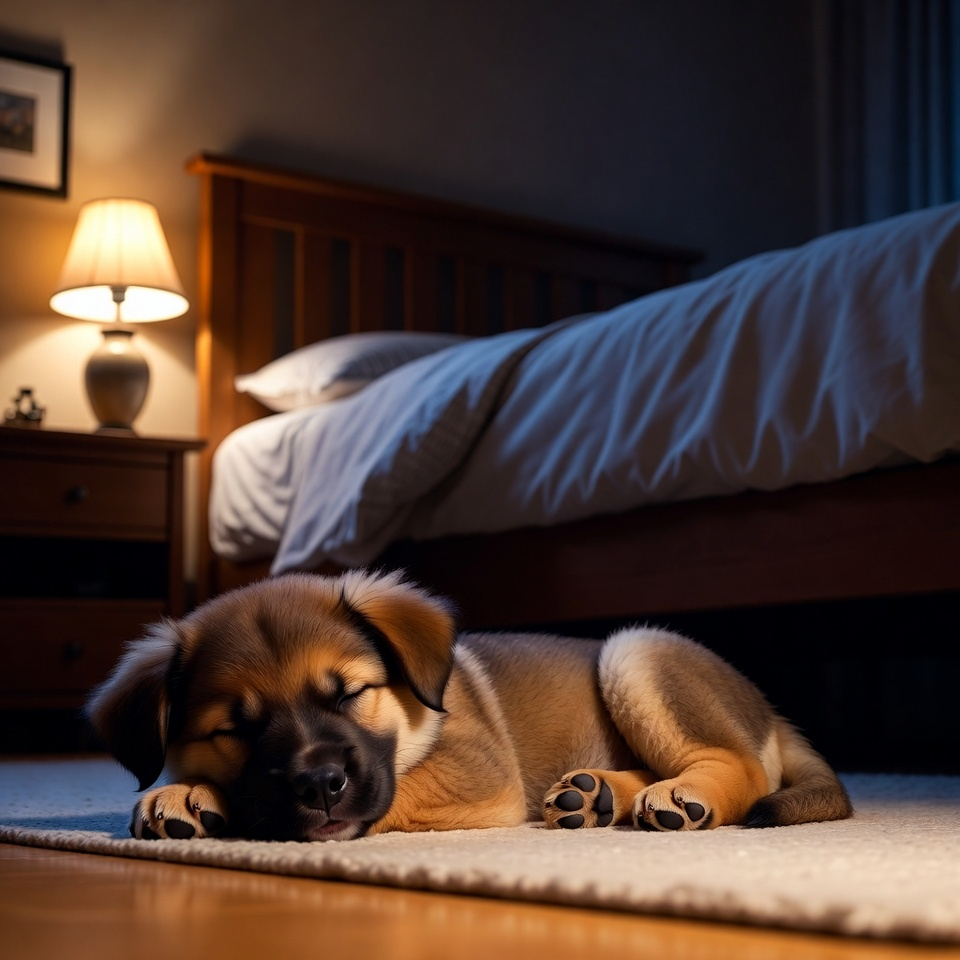
Long-Term Sleep Success Tips
To maintain good sleep habits:
• Keep bedtime consistent
• Maintain exercise routine
• Avoid sudden schedule changes
• Continue calm bedtime rituals
Sleep habits strengthen over time.
Emotional Perspective: Your Puppy Is Learning
Remember:
Your puppy is not trying to disturb you.
They are adjusting to:
• New home
• New sounds
• New routine
• Separation from littermates
Confidence takes time.
Your calm response shapes their security.
Conclusion: Peaceful Nights Are Possible
Learning how to train a puppy to sleep through the night requires routine, patience, and gentle consistency. By establishing bedtime structure, managing night breaks correctly, and reinforcing calm behavior, you can create peaceful nights for both you and your puppy.
Every well-behaved adult dog once cried at night.
With proper guidance, those sleepless nights will soon become restful ones.
For restful nights, start with crate training basics, add daytime alone-time practice, try our night-time barking fixes, and follow a first-week night routine.
Frequently Asked Questions
At what age do puppies sleep through the night?
Most puppies manage 6–7 hours by 12–16 weeks. Before that, their bladders simply cannot last — night waking is biology, not bad behaviour.
Should I let my puppy cry it out at night?
First rule out real needs: toilet, hunger, cold or fear. Brief grizzling that fades is fine to ignore; genuine distress always deserves a calm response.
Where should my puppy sleep at night?
A crate beside your bed is ideal for the first weeks — your presence is reassuring. Move the crate further away gradually once nights are settled.
How should I handle night-time toilet breaks?
Keep them boring: no lights, no play, no talking. Carry your puppy out, reward quietly, straight back to bed — nights must never feel like party time.

