
Introduction: Why Recall Training Is So Important
Learning how to train a puppy to come when called is one of the most important skills your dog will ever learn. Recall training is not just about obedience — it is about safety.
A strong recall can:
• Prevent accidents
• Stop dangerous behavior
• Avoid road incidents
• Control off-leash situations
• Build strong trust
Without proper recall, even a well-behaved puppy may ignore you in exciting environments.
The good news? Puppies are naturally eager to please. With the right system, you can teach reliable recall quickly and effectively.
In this complete guide, you will learn step-by-step how to train a puppy to come when called using positive reinforcement and proven training techniques.
Why Puppies Ignore Recall Commands
Before fixing recall problems, understand the cause.
Common reasons include:
• Distractions
• Weak reward system
• Overuse of command
• Negative association
• Inconsistent training
If calling your puppy leads to something unpleasant (like ending playtime), they may avoid coming.
Recall must always feel rewarding.
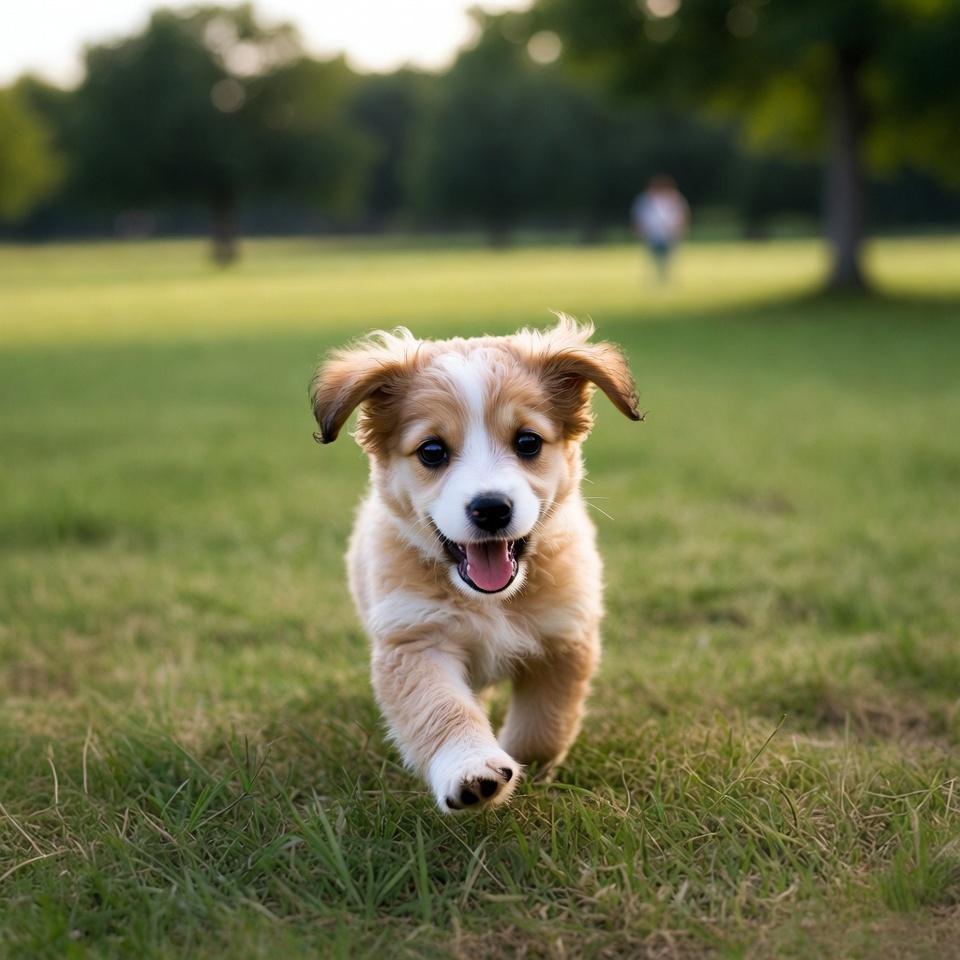
Step 1: Start Recall Training Indoors
Always begin in low-distraction environments.
Training steps:
-
Say puppy’s name
-
Say “Come” clearly
-
Move slightly backward
-
Reward immediately when puppy approaches
Use high-value treats.
Keep sessions short (5 minutes).
Indoor practice builds foundation before outdoor distractions.
Step 2: Make Yourself More Exciting Than the Environment
Puppies respond to energy.
When calling:
• Use happy tone
• Clap hands lightly
• Move backward
• Show excitement
Never sound angry.
Your voice should signal fun — not discipline.

Step 3: Reward Every Successful Recall
At early stage, reward EVERY time.
Rewards can include:
• Treats
• Praise
• Petting
• Short play session
Gradually reduce treats later.
Strong rewards create strong habits.
Step 4: Avoid Repeating the Command
If you say:
“Come, come, come, come!”
You weaken the command.
Instead:
• Say it once
• Wait
• Encourage gently
If puppy ignores, shorten distance next time.
Clear commands build reliability.

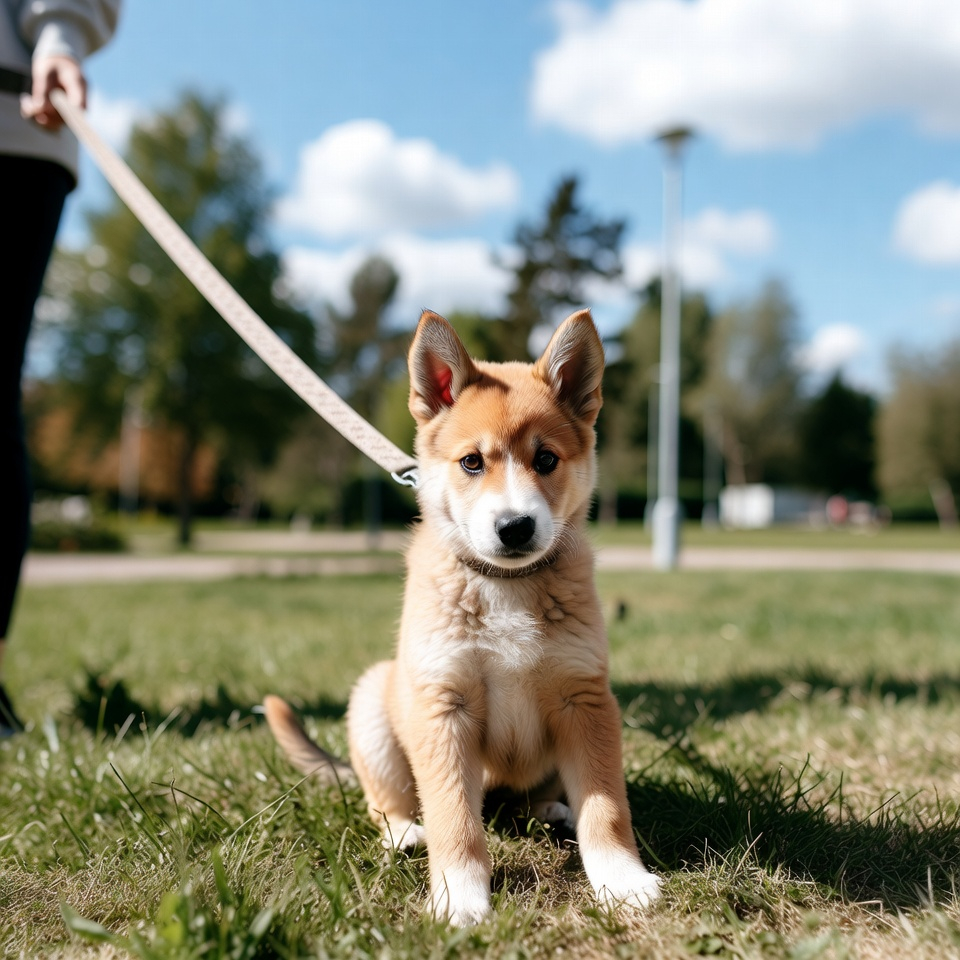
Step 5: Practice With Long Leash Outdoors
After indoor success, move outside.
Use:
• 10–15 foot training leash
• Open safe area
Allow puppy to explore.
Then call:
“Come!”
If puppy hesitates, gently guide using leash.
Reward heavily upon arrival.
Long leash builds control without full freedom.
Step 6: Increase Distractions Gradually
Recall must be trained around distractions.
Progression example:
• Quiet yard
• Park with few people
• Park with dogs
• Busy environment
If puppy fails, reduce distraction level.
Never set your puppy up to fail.
Step 7: Never Punish After Recall
This is critical.
If your puppy:
• Took too long
• Was misbehaving
• Ignored you earlier
Never punish when they finally come.
Punishment creates negative association.
Recall must always feel safe.
Step 8: Use Recall for Positive Experiences
Sometimes call your puppy:
• For treat
• For affection
• For play
• Then release again
If recall always ends fun, puppy avoids it.
Mix recall with positive surprises.
Common Recall Training Mistakes
Avoid these errors:
• Calling puppy angrily
• Repeating command multiple times
• Only calling when ending play
• Training in high distraction too early
• Inconsistent rewards
Mistakes weaken reliability.
Consistency builds obedience.
How Long Does Recall Training Take?
Timeline depends on consistency.
1 week → Basic response indoors
2–3 weeks → Reliable response outdoors
1–2 months → Strong recall in moderate distractions
Off-leash reliability takes longer.
Training is gradual.
Emergency Recall Tip
Teach a special emergency word (like “Here!”).
Use only in critical situations.
Reward with extremely high-value treat.
Use rarely to maintain power.
When Recall Problems Need Professional Help
Seek trainer support if:
• Puppy shows fear
• Aggression appears
• Zero progress after weeks
Most cases improve with consistent training.
Long-Term Recall Maintenance
Even after success:
• Practice weekly
• Reinforce randomly
• Test in new locations
• Reward occasionally
Recall must be maintained throughout life.
Emotional Perspective: Recall Builds Trust
When your puppy comes when called, it shows trust.
Reliable recall strengthens bond and keeps your dog safe.
It is one of the most rewarding skills to teach.
Conclusion: Reliable Recall Is Achievable
Learning how to train a puppy to come when called takes patience, positive reinforcement, and structured practice. By starting indoors, rewarding heavily, and gradually increasing distractions, you can build strong recall behavior.
Safety and obedience begin with consistent training.
With dedication, your puppy will respond happily every time you call.
Reliable recall builds on other skills. Always start with a solid sit, proof impulse control with stay training, lay loose-leash foundations for outdoor training, and use high-value trade rewards to make coming back the best choice.
Frequently Asked Questions
At what age can I start teaching recall?
Start the day your puppy arrives home, usually around 8 weeks. Play fun “puppy, come!” games indoors with amazing treats — early wins build a lightning-fast recall habit.
What should I do if my puppy ignores me when called?
Never chase — run backwards excitedly or crouch down to become interesting. Reward every single recall generously, and never scold your puppy for coming late, or they will come even slower next time.
Should I use a long training leash for recall?
Yes — a long line keeps your puppy safe while you build reliability outdoors. It lets you practise real-world recalls without risking your puppy running off.
How long does it take to get a reliable recall?
Indoors and in the garden, a few weeks. Truly reliable recall around distractions takes months of gradual proofing — most trainers do not trust off-leash freedom before 6–12 months.

