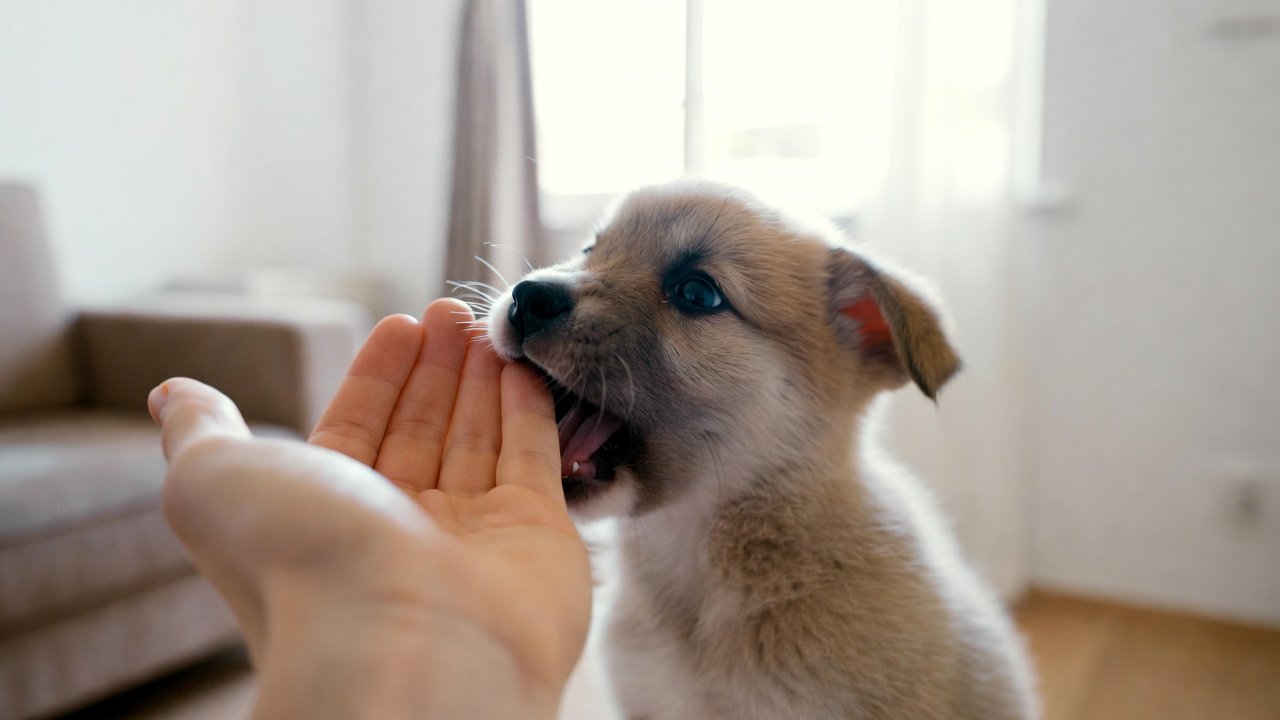
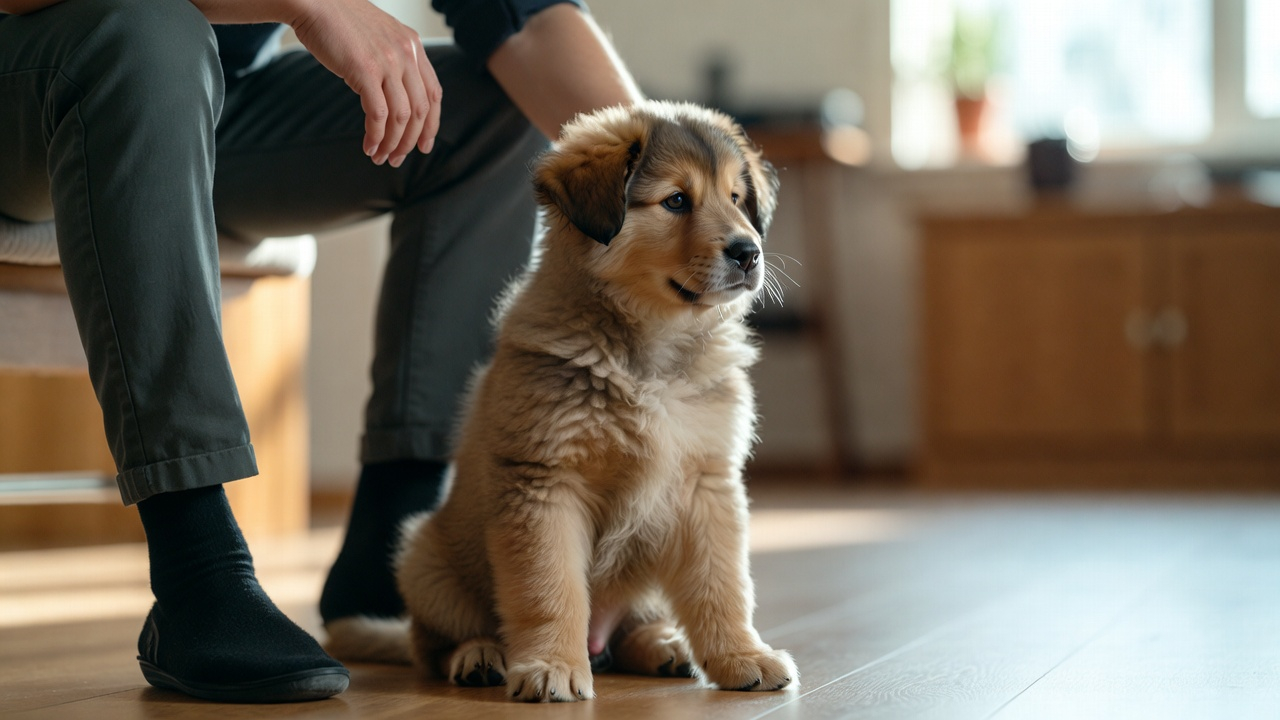
If you’re searching for how to train a puppy to stop biting hands, you’re likely dealing with sharp puppy teeth during playtime. Many new dog owners worry that their puppy is becoming aggressive, but in most cases, puppy biting is completely normal.
Puppies explore the world using their mouths. During the early months of life, biting helps them learn about their environment, relieve teething discomfort, and interact with other dogs.
However, when puppies bite human hands too often or too hard, it becomes a problem. Without proper training, playful biting can develop into rough behavior later in life.
The good news is that puppies can quickly learn gentle play habits with the right guidance.
This guide will show you exactly how to train a puppy to stop biting hands using positive and effective training methods.
Why Puppies Bite Hands So Much
Understanding the cause of the behavior helps you solve it faster.
Common reasons include:
• Teething pain • Play excitement • Attention seeking • Curiosity • Excess energy
Puppies naturally practice bite control with their littermates. When playing with humans, they must learn new boundaries.
Training teaches them that human skin is sensitive.
How to train a puppy to stop biting hands during play
Step 1: Teach Bite Inhibition
The first step in how to train a puppy to stop biting hands is teaching bite inhibition.
Bite inhibition means controlling how hard a puppy bites.
Training method:
When your puppy bites too hard, say “Ouch!”
Stop playing immediately
Turn away for a few seconds
This mimics how puppies learn from their littermates.
They quickly understand that biting too hard stops the game.
• Hitting or shouting • Encouraging rough play • Inconsistent rules • Ignoring early biting behavior • Allowing biting sometimes but not always
Clear boundaries help puppies learn faster.
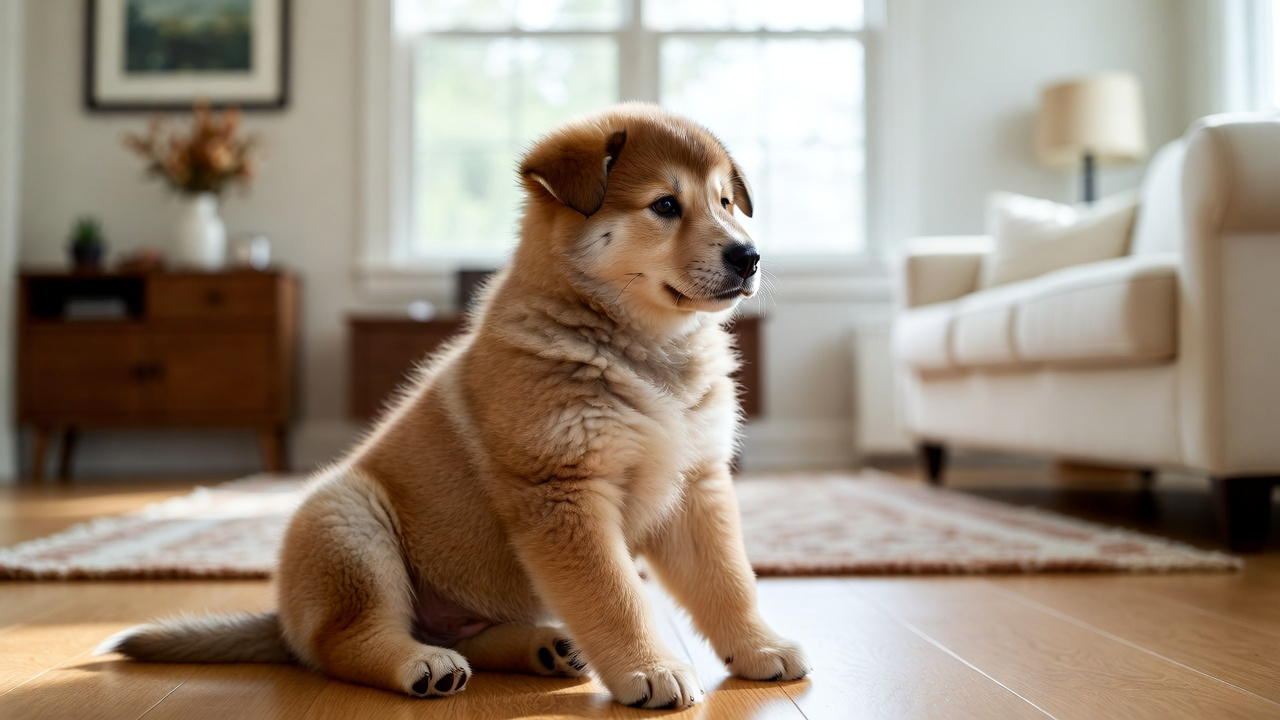
Successful result after training puppy to stop biting hands
How Long Does It Take to Stop Puppy Biting?
Most puppies improve within:
3–5 days → Noticeable reduction 2 weeks → Controlled play 1 month → Gentle interaction
Teething naturally decreases after 6 months.
Consistency accelerates training results.
When Puppy Biting Might Be Aggression
In rare cases biting may involve:
• Growling • Stiff body posture • Guarding behavior
If these signs appear, consult a professional trainer.
Most puppy biting is simply playful behavior.
When Puppy Biting Might Be Aggression
In rare cases biting may involve:
• Growling • Stiff body posture • Guarding behavior
If these signs appear, consult a professional trainer.
Most puppy biting is simply playful behavior.
Long-Term Training Tips
To maintain gentle behavior:
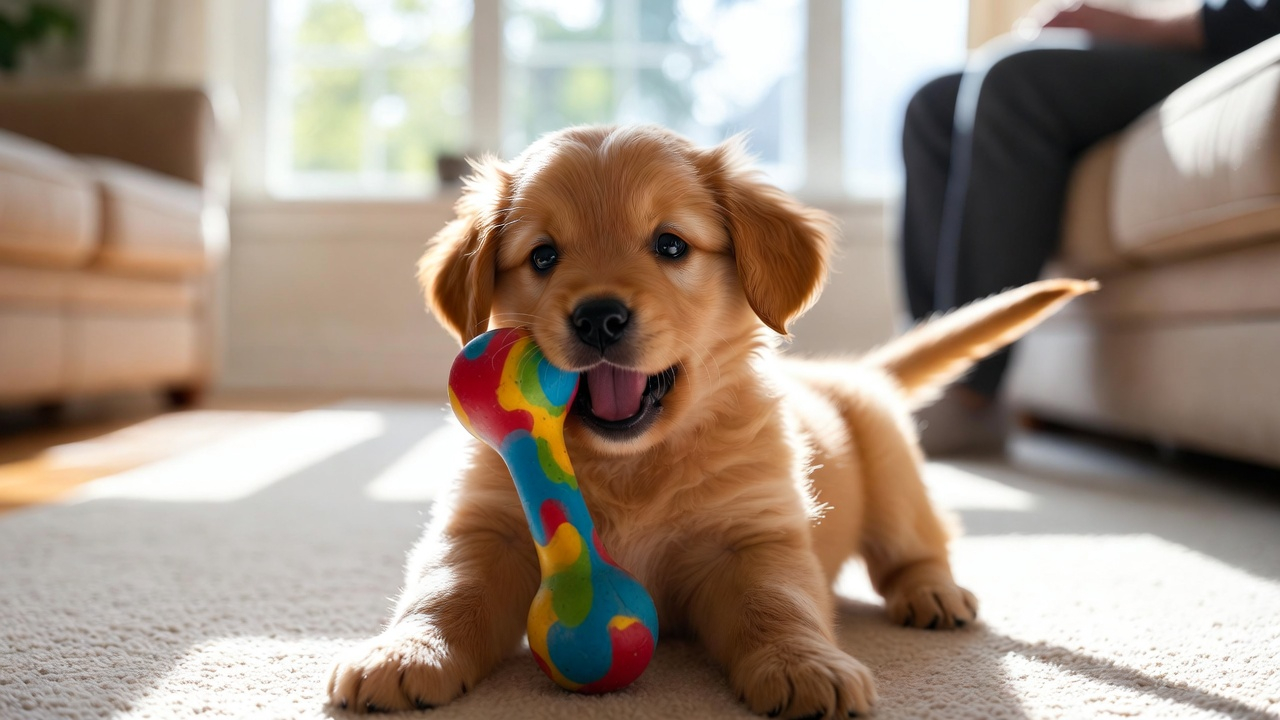
• Continue using chew toys • Reinforce calm play • Maintain daily exercise • Practice obedience commands
Regular training strengthens good habits.
Conclusion: Gentle Play Can Be Taught
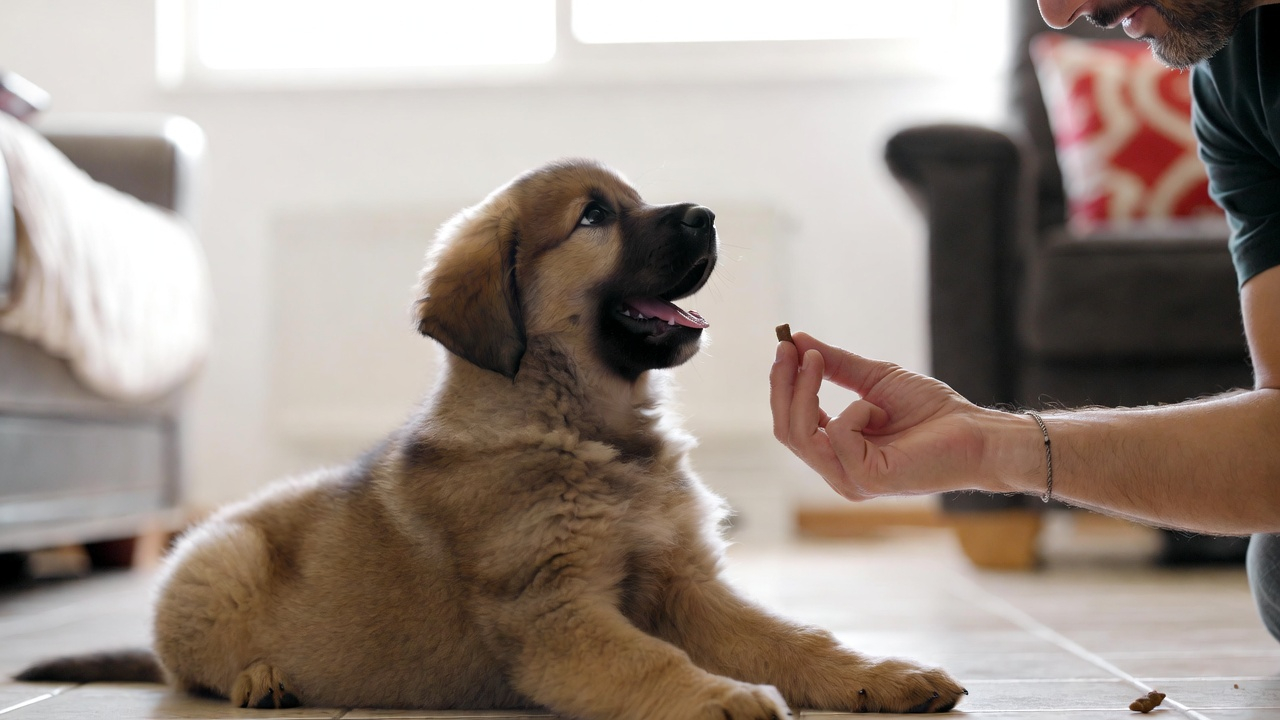
Learning how to train a puppy to stop biting hands requires patience, redirection, and consistent reinforcement. By teaching bite inhibition, offering appropriate chew toys, and rewarding gentle play, you can guide your puppy toward safe and enjoyable interactions.
With proper training, your puppy will develop good manners that last a lifetime.