Introduction: Why Potty Training Is One of the First Lessons
If you’re searching for how to potty train a puppy fast, you’re likely dealing with accidents on the floor, carpets, or furniture. Potty training is one of the very first challenges every dog owner faces.
Young puppies do not naturally understand where they should go to the bathroom. They must be taught through routine, patience, and clear guidance.
The good news is that puppies learn quickly when a consistent training system is used.
Potty training success depends on:
• Creating a predictable schedule
• Rewarding the correct behavior
• Preventing accidents before they happen
With the right strategy, most puppies begin understanding potty rules within just a few weeks.
This guide will show you how to potty train a puppy fast using simple and effective training techniques.
Why Puppies Have Frequent Accidents
Before starting training, it helps to understand why accidents happen.
Common reasons include:
• Small bladder size
• Lack of routine
• Excitement or stress
• Too much freedom indoors
• Not recognizing the correct potty area
Young puppies generally need to go outside every 1–2 hours. Expecting them to hold their bladder for long periods is unrealistic.
Training works best when owners anticipate bathroom needs.
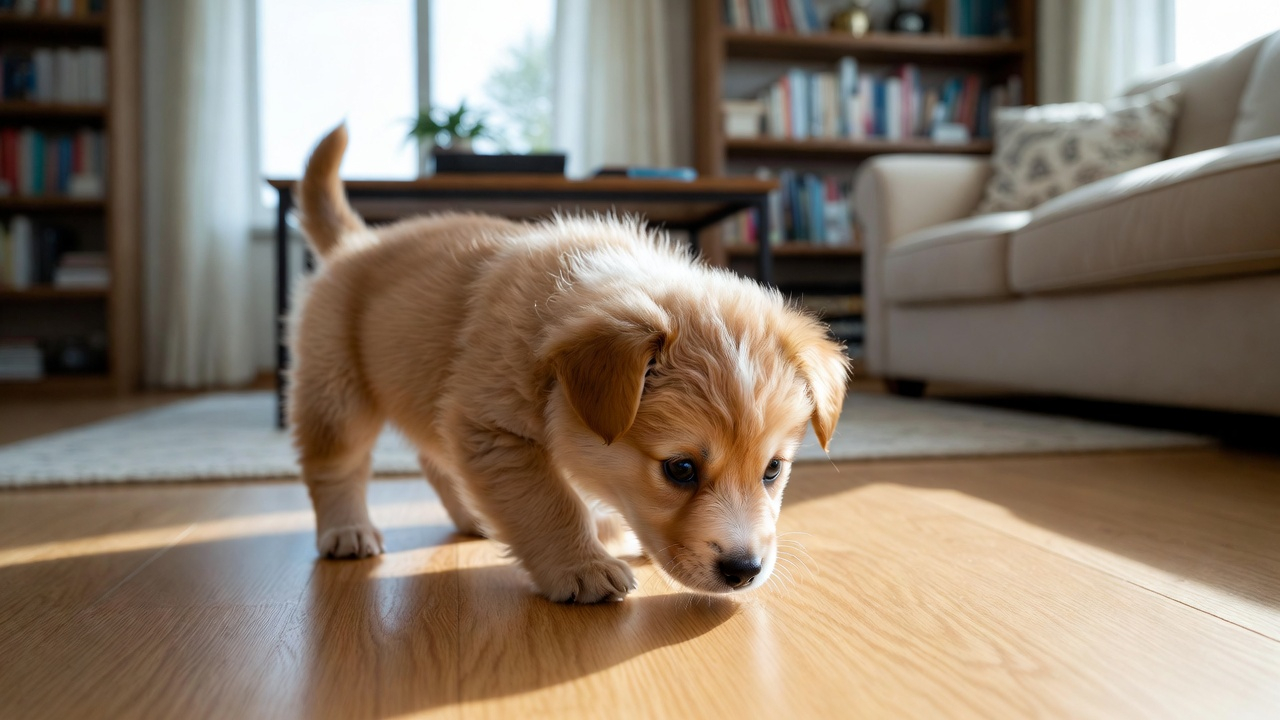
Step 1: Create a Consistent Potty Schedule
The first step in how to potty train a puppy fast is building a predictable routine.
Take your puppy outside:
• Immediately after waking up
• After eating meals
• After play sessions
• Before bedtime
• Every 1–2 hours during the day
Consistency helps your puppy connect outdoor areas with bathroom behavior.
Over time, your puppy will naturally expect potty breaks at these times.
Step 2: Choose One Designated Potty Area
Dogs learn faster when they use the same bathroom location.
Select a specific outdoor spot and bring your puppy there every time.
The scent from previous potty trips encourages your puppy to go again in the same area.
Avoid constantly changing locations.
A familiar spot builds recognition.
Step 3: Use a Verbal Potty Cue
A simple verbal cue speeds up training.
When your puppy begins to potty, say a phrase such as:
“Go potty”
Repeat the phrase each time.
Eventually, your puppy will associate the words with the action.
This becomes useful during travel or emergencies.
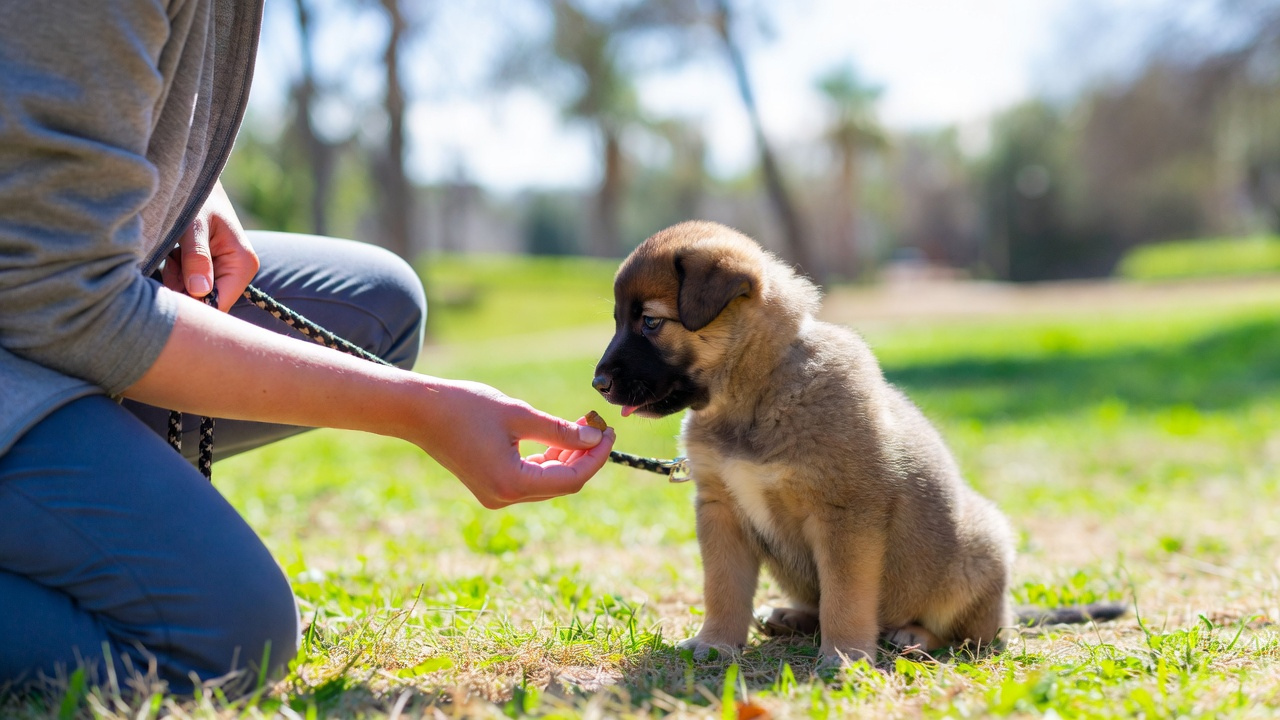
Step 4: Reward Immediately After Success
Positive reinforcement is essential.
When your puppy finishes potty outside:
• Offer enthusiastic praise
• Give a small treat
• Show excitement
Rewards must happen within 3 seconds so your puppy connects the reward with the behavior.
Dogs repeat behaviors that lead to rewards.
Step 5: Supervise Your Puppy Indoors
Preventing accidents is easier than correcting them.
When indoors:
• Keep your puppy nearby
• Use a leash if necessary
• Watch for potty signals
Common signals include:
• Sniffing the floor
• Walking in circles
• Sudden restlessness
• Moving toward corners
If you notice these signs, immediately take your puppy outside.
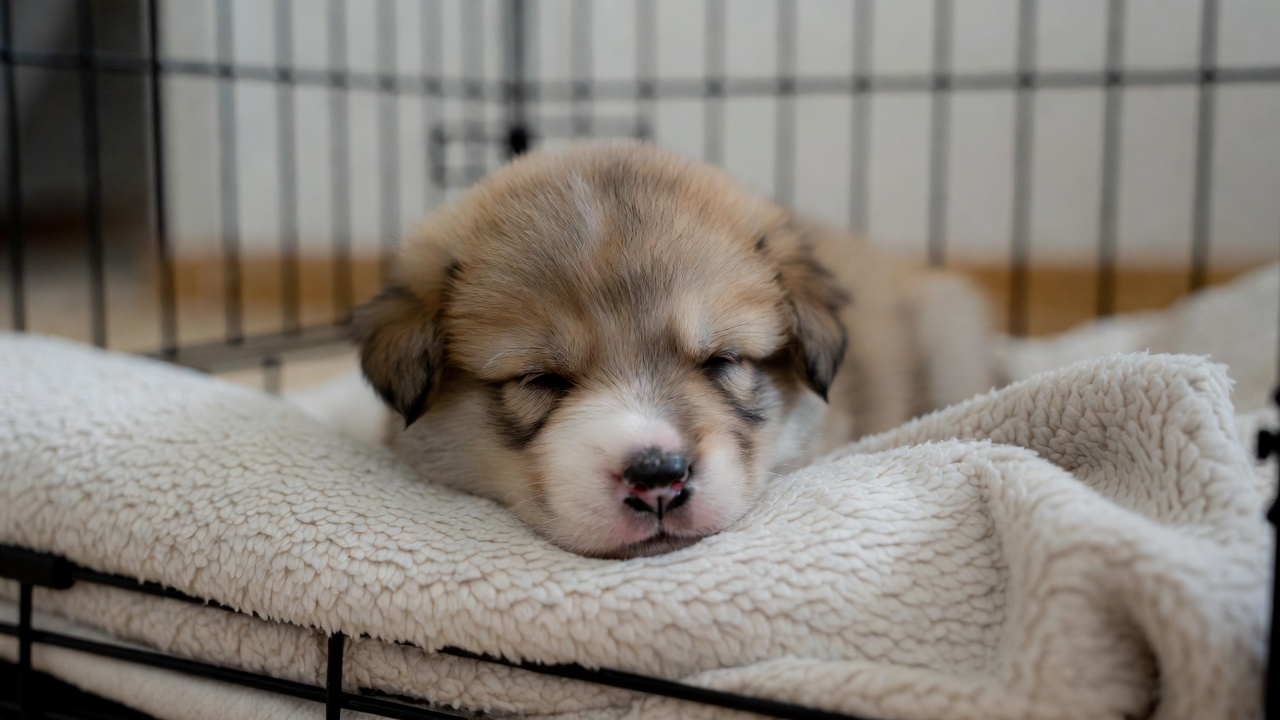
Step 6: Use Crate Training for Faster Results
Crate training is one of the fastest potty training methods.
Dogs naturally avoid soiling their sleeping space.
When using a crate:
• Ensure proper size
• Provide comfortable bedding
• Take puppy outside immediately after crate time
Crate training helps teach bladder control.
Step 7: Handle Accidents Correctly
Accidents will happen during training.
When they do:
• Stay calm
• Clean the area thoroughly
• Use enzyme cleaners
Never punish your puppy.
Punishment creates fear and confusion.
Instead, focus on preventing future accidents.
Common Potty Training Mistakes
Avoid these mistakes during training.
• Inconsistent potty schedule
• Allowing too much indoor freedom
• Punishing accidents
• Forgetting to reward success
• Waiting too long between potty breaks
Consistency and patience are the keys to success.
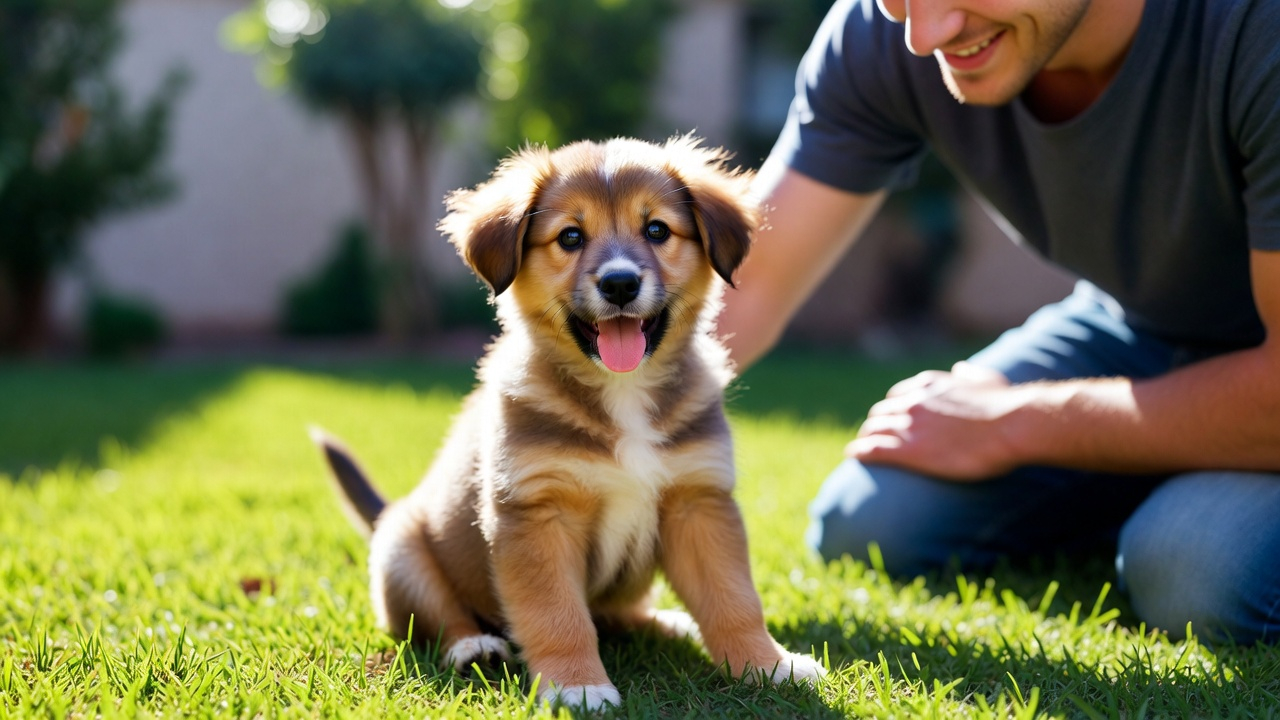
How Long Does Potty Training Take?
Most puppies show improvement within:
3–7 days → fewer accidents
2 weeks → clear understanding
4–6 weeks → reliable habits
Full bladder control develops around 4–6 months of age.
Every puppy learns at a slightly different pace.
Signs Your Puppy Is Learning
Progress indicators include:
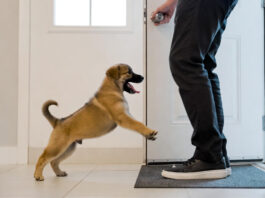
• Going to the door when needing potty
• Waiting for scheduled breaks
• Fewer accidents indoors
• Quickly using the same outdoor spot
These behaviors show that your puppy understands the routine.
Nighttime Potty Training Tips
Young puppies may need nighttime potty breaks.
Helpful strategies include:
• Remove water one hour before bedtime
• Take final potty trip before sleep
• Use crate overnight
Most puppies sleep through the night by 4 months old.
Long-Term Potty Training Success
Even after your puppy learns the routine:
• Maintain consistent schedule
• Continue praising outdoor potty
• Watch for behavior changes
• Adjust schedule as puppy grows
Good habits become permanent with practice.
Emotional Perspective: Puppies Are Learning a New World
Your puppy is not trying to make mistakes.
They are learning:
• Where it is safe to go
• How to communicate their needs
• How your household routine works
Patience and guidance will help them succeed.
Conclusion: Potty Training Success Comes With Consistency
Learning how to potty train a puppy fast requires routine, supervision, and positive reinforcement. By creating a consistent schedule, rewarding outdoor success, and preventing indoor accidents, you can help your puppy develop reliable bathroom habits.
With patience and daily practice, your puppy will soon understand exactly where to go.
Read More Dogs News