
Picture this: you’re on a walk when another dog appears down the street. Your puppy freezes, tucks his tail between his legs, and scrambles behind you — trembling. Or maybe he erupts into frantic barking and lunging that looks like aggression but is pure panic. Either way, your heart sinks. Why is my puppy scared of other dogs?
First, take a breath: a puppy who’s afraid of other dogs is incredibly common, and it’s one of the most fixable behavior problems out there. Fear is not a character flaw, and it doesn’t mean your puppy is broken or that you did something wrong. It means your puppy needs a patient, structured plan to learn that other dogs are safe — and that’s exactly what this guide gives you.
Below you’ll learn how to read the real signs of fear (most owners misread at least one), the six most common reasons puppies fear other dogs, the mistakes that make fear worse, and a gentle six-step plan professional trainers use to build a scared puppy’s confidence around other dogs.
Signs Your Puppy Is Scared of Other Dogs (Not Just “Shy”)
Owners often label a fearful puppy as “shy” or “unfriendly,” but fear has a specific body language. The sooner you recognize it, the sooner you can help. Watch for these signs when another dog is near:
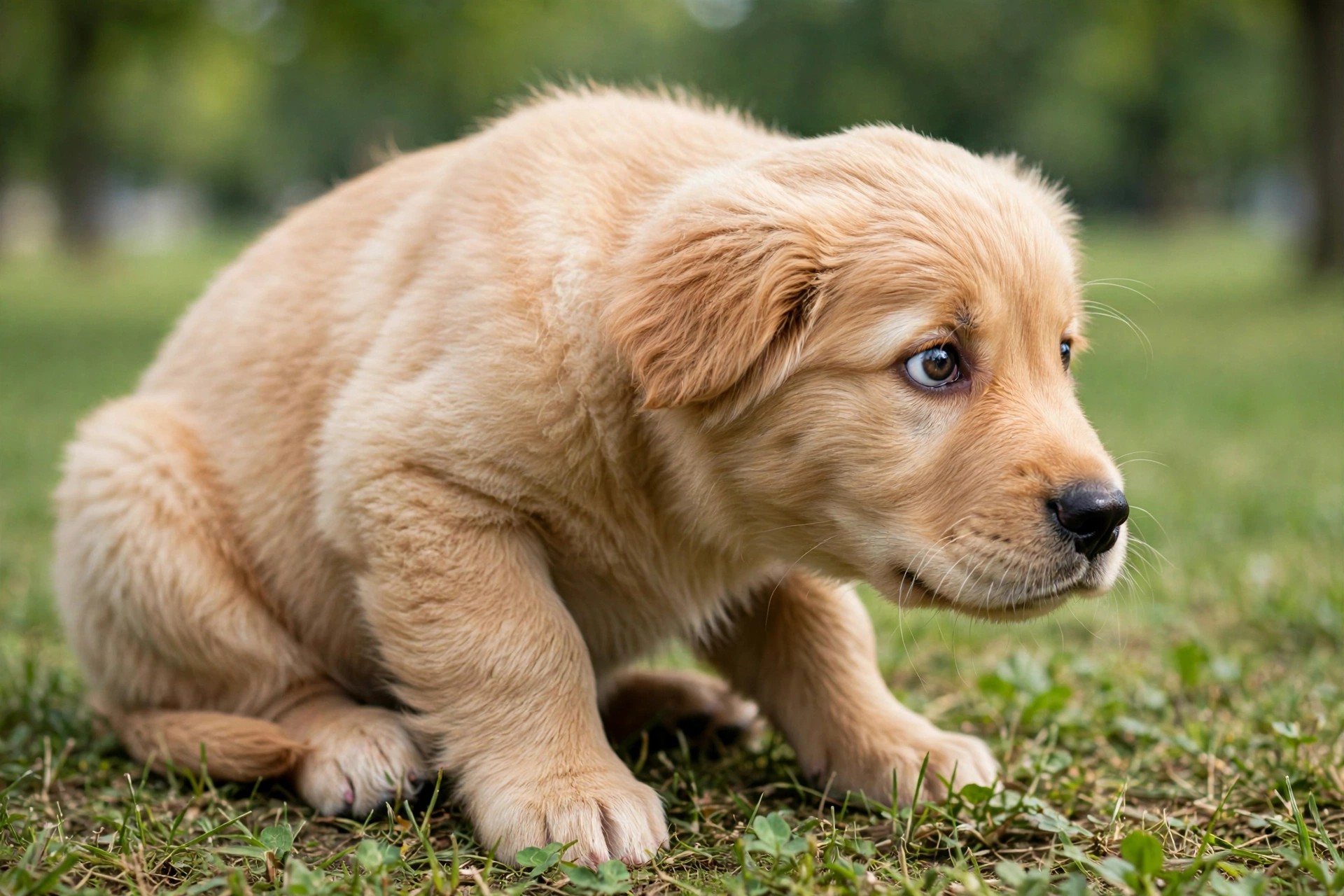
- Tucked tail and crouched body: the classic “make myself small” posture. A tucked tail is one of the most reliable fear signals in dogs.
- Hiding behind you or trying to flee: bolting to the end of the leash, pulling toward home, or wedging behind your legs means your puppy is asking you for protection.
- Trembling or panting when no exercise happened: shaking, drooling, or heavy panting around other dogs is stress, not excitement.
- Whale eye (showing the whites of the eyes): when your puppy turns his head away but keeps his eyes locked on the other dog, he’s deeply uncomfortable.
- Barking, lunging, or snapping: this surprises most owners, but frantic barking at other dogs is very often fear wearing an aggressive mask. If your puppy only acts this way on leash but is fine off leash (or vice versa), fear is the likely driver — barking at other dogs deserves its own closer look.
- Shutting down: some puppies don’t bark or run — they freeze, refuse treats they normally love, and go still. A puppy who won’t eat is a puppy over his stress threshold.
One important note: a single sign in isolation doesn’t confirm fear. Look for clusters — tucked tail plus hiding, or barking plus whale eye. And context matters: a puppy who plays happily with your friend’s calm lab but panics at the dog park isn’t “unpredictable” — he’s telling you exactly which situations overwhelm him.
Why Is My Puppy Scared of Other Dogs? 6 Common Causes
Fear always has a reason. Finding your puppy’s “why” shapes the fix, so run through these common causes honestly:
1. Missed or rushed early socialization
The prime socialization window closes around 12–16 weeks. Puppies who met few dogs during that window — or met them in overwhelming settings — often grow wary of unfamiliar dogs. This is the single most common cause, and it’s nobody’s fault: illness, busy schedules, or simply not knowing the window existed can all shrink it.
2. A single scary experience
Dogs learn fast from frightening events. One ambush by an off-leash dog, one rough play session with a much bigger dog, or one painful encounter can create a lasting association: unfamiliar dogs = danger. This is classical conditioning doing its job — just in the wrong direction.
3. Fear periods
Puppies go through developmental fear periods (roughly 8–11 weeks and again around 6–14 months) when scary experiences imprint extra deeply. A puppy who was fine with dogs at 5 months and suddenly fearful at 8 months may simply be in a fear period — which also means this is the worst possible time to flood him with intense dog exposure.
4. Genetics and temperament
Some puppies are simply born more cautious. Nervous parents tend to produce nervous puppies, and certain lines are known for wariness of novelty. A genetically cautious puppy isn’t doomed — he just needs a slower, more careful version of the plan below.
5. Pain or feeling unwell
A puppy with an ear infection, sore joints, or stomach pain has less patience for the unpredictability of other dogs. If fear appeared suddenly in a previously social puppy, a vet check should come before any training plan.
6. Your tension traveling down the leash
Dogs read us constantly. If you tense up, shorten the leash, and hold your breath every time another dog approaches, your puppy learns that your anxiety predicts something bad. Loose leash, relaxed shoulders, happy voice — your calm is his first safety signal.
5 Things You Should NEVER Do to a Scared Puppy
Before the fix, let’s clear the mistakes that make fear worse. Most come from good intentions and bad advice:
- Don’t drag him toward the scary dog. Forcing proximity (“he just needs to say hi!”) floods a fearful puppy and teaches him that you won’t protect him. Trust breaks fast and rebuilds slowly.
- Don’t punish the fear signals. Scolding growling, barking, or cowering punishes your puppy for communicating. Take away the warning signs and you don’t remove the fear — you just remove the warnings, which is how bites “come out of nowhere.”
- Don’t flood him at the dog park. Throwing a scared puppy into a chaotic dog park hoping he’ll “get used to it” is the fastest way to confirm his worst beliefs about dogs. Overwhelm is the enemy of learning.
- Don’t comfort excessively in a panicked tone. Calm, matter-of-fact reassurance is fine (“you’re okay, let’s go”), but frantic cooing in a worried voice confirms that there really is something to panic about.
- Don’t rush the timeline. Confidence builds in weeks and months, not days. Every shortcut — skipping distance work, greeting too soon — risks a setback that costs more time than patience would have.
A note on socialization: proper socialization for a fearful puppy means controlled, positive exposure at a distance he can handle — not maximum exposure as fast as possible. Quality beats quantity every time.
How to Help a Scared Puppy: The 6-Step Confidence Plan
This is the desensitization and counter-conditioning protocol trainers use. The core idea is simple: pair the sight of other dogs with wonderful things, at a distance your puppy can handle, and shrink that distance gradually. Never move to the next step until the current one looks boring to your puppy.
Step 1: Find your puppy’s threshold distance
Go somewhere you can control distance — a park bench far from the walking path works well. Watch your puppy as dogs pass at various distances. His threshold is the distance where he notices the other dog but can still take treats, respond to his name, and stay under control. For very fearful puppies this might be 50+ meters. That’s fine. Write it down — it’s your starting line.
Step 2: Become a treat dispenser near dogs
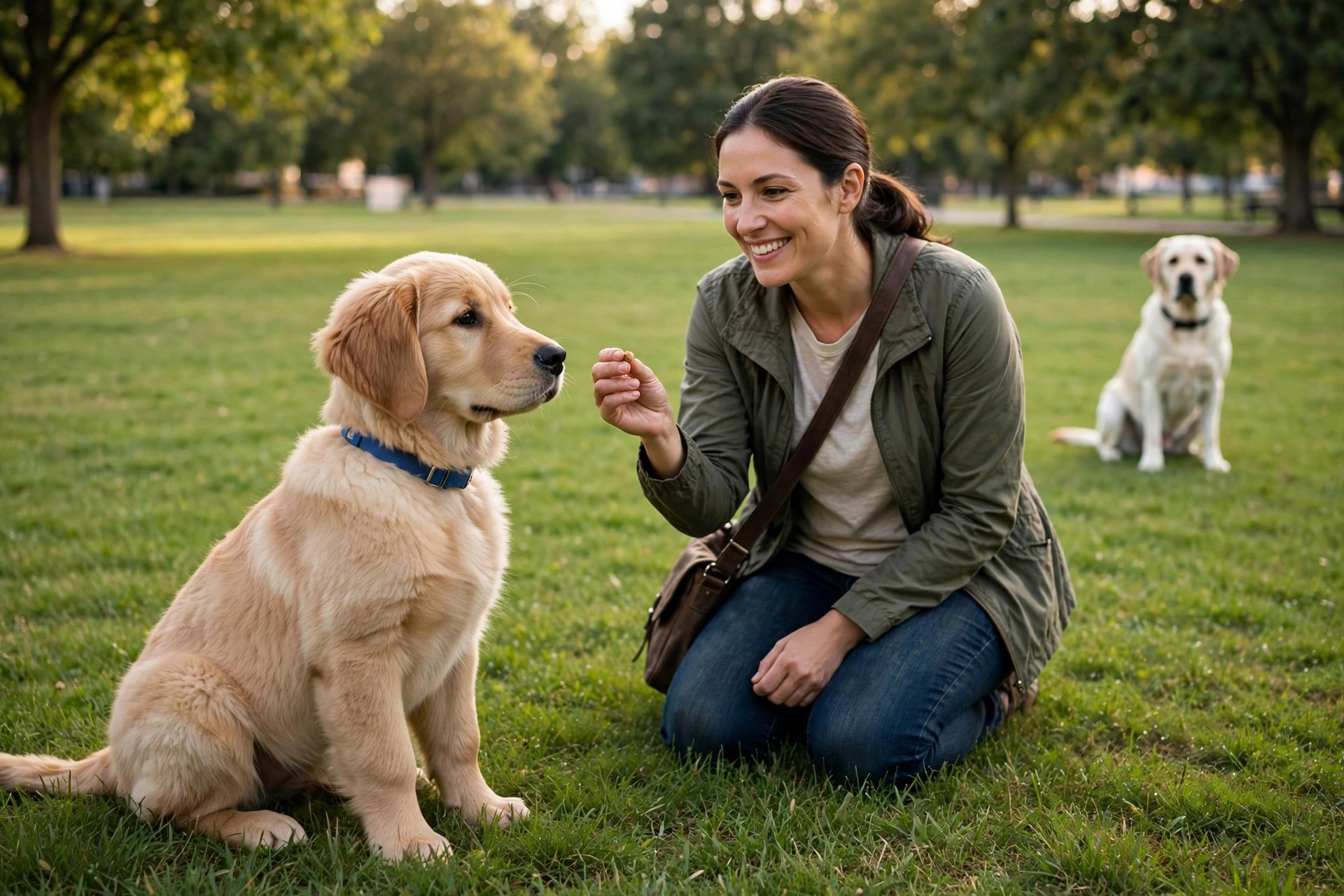
At threshold distance, every time your puppy notices another dog, rain high-value treats (tiny bits of chicken, cheese, or hot dog — not dry kibble). Dog appears → treats fall from the sky. Dog disappears → treats stop. You’re not asking for any behavior; you’re rewiring the emotional response: other dogs predict amazing things. Keep sessions to 5–10 minutes and quit while you’re ahead.
Step 3: Teach a “look at me” escape cue
Train a rock-solid attention cue at home first: say his name, reward eye contact, repeat until it’s automatic. On walks, this becomes your pressure valve — when a dog appears closer than expected, you can cheerfully redirect his focus to you and create distance. This one skill prevents most real-world setbacks.
Step 4: Shrink the distance gradually
Over days and weeks, work a little closer — but only as long as your puppy stays relaxed and treat-motivated. The rule: if he stops taking treats, barks, or tries to flee, you’ve gone too far too fast. Back up to the last distance that worked and rebuild. Two steps forward, one step back is still progress.
Step 5: Arrange calm, controlled exposures
Random dogs are unpredictable; set up wins instead. Ask a friend with a calm, well-mannered dog to help. Start with parallel walking — both dogs moving in the same direction, 10–15 meters apart, no direct approach. Parallel movement is far less threatening than face-to-face greetings and lets your puppy learn that another dog’s presence is uneventful.
Step 6: Let your puppy choose to investigate
When your puppy starts showing curiosity — loose body, ears forward, voluntarily moving toward the calm dog — let him close the final distance himself, on a loose leash. Choice is powerful: a greeting he initiates builds confidence, while a greeting forced on him destroys it. Keep first meetings to 3–5 seconds, then cheerfully call him away. Short and sweet beats long and stressful.
Teaching Safe Greetings: The 3-Second Rule
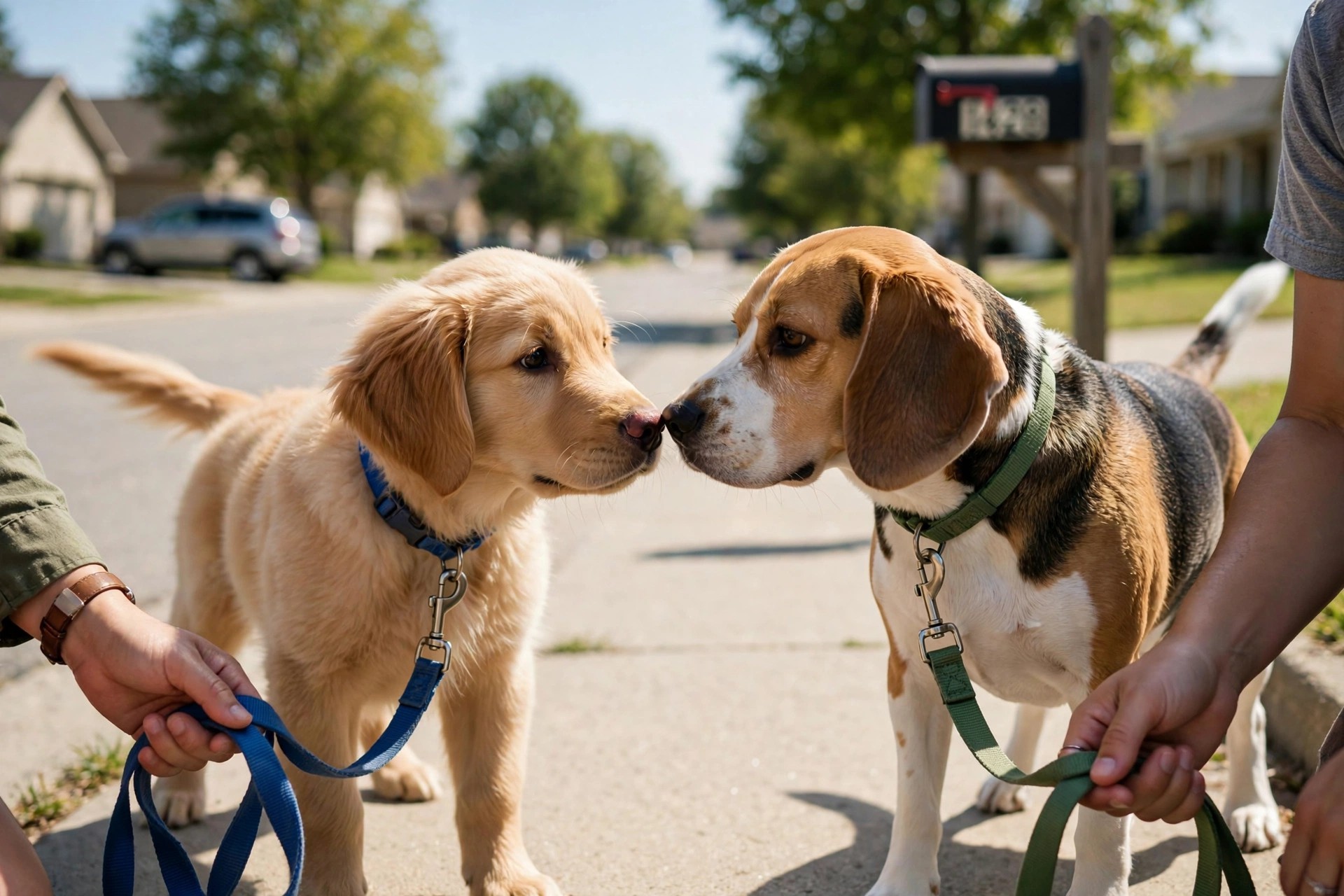
Even confident puppies benefit from structured greetings, but for a formerly fearful puppy they’re essential. Use the 3-second rule for every on-leash meeting:
- Ask first. “Is your dog friendly?” takes two seconds and prevents most disasters. If the other owner hesitates, walk on — no greeting is always an option.
- Keep leashes loose. A tight leash transmits your tension and removes your puppy’s flight option, which raises stress. Hold the leash relaxed with a little slack.
- Three seconds, then move on. Let the dogs sniff briefly, then cheerfully call your puppy away (“let’s go!”) and reward him for disengaging. Short greetings stay positive; long ones let arousal build until someone gets overwhelmed.
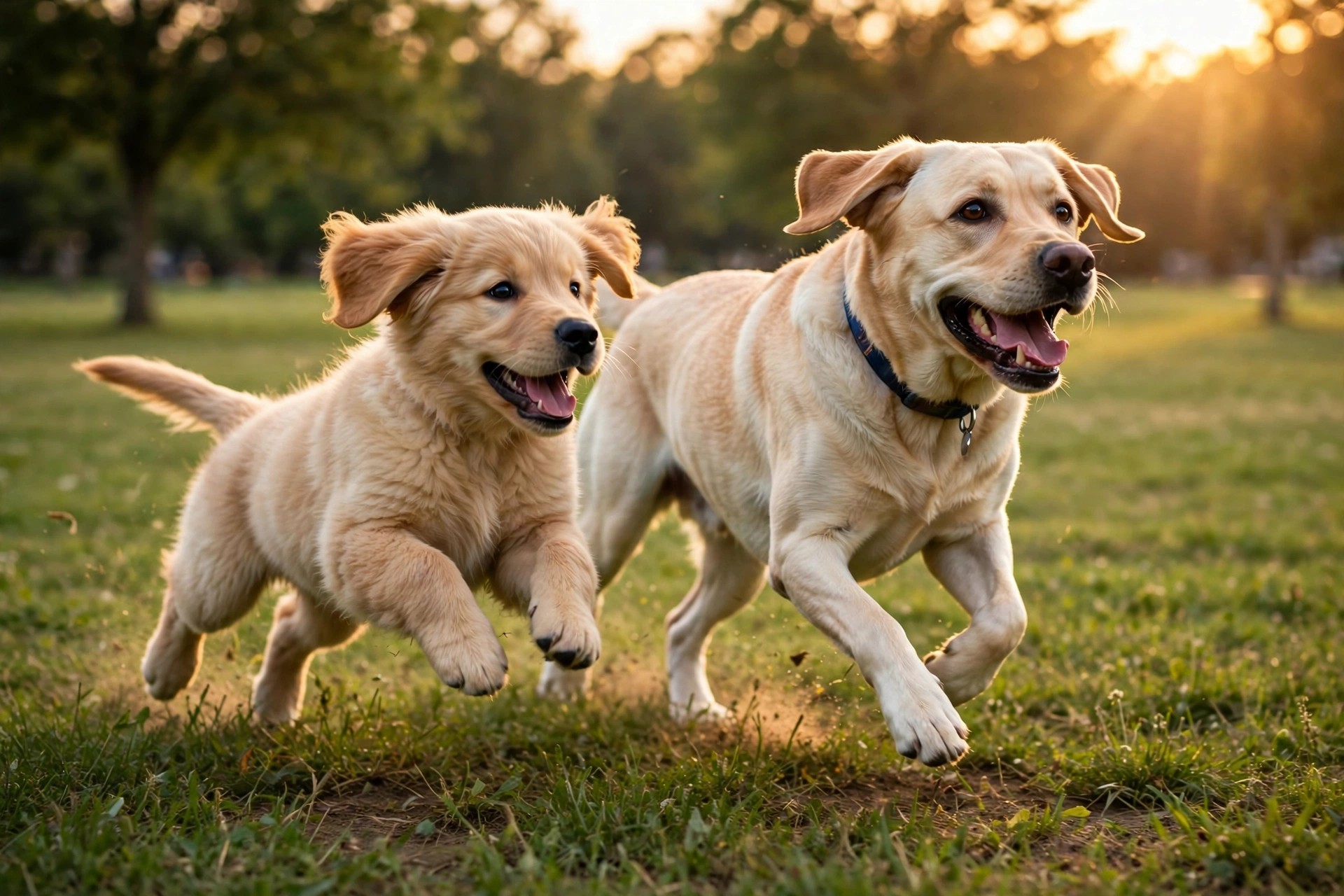
- Watch for the all-clear — or the warning. Loose, wiggly bodies mean everyone’s comfortable. Freezing, hard stares, or one dog towering over the other mean it’s time to leave politely.
And remember: your puppy does not need to greet every dog he meets. A puppy who can calmly walk past other dogs without interacting is a fully successful outcome. “Neutral” beats “social butterfly” as a training goal.
When to Call a Professional
Most fear cases respond beautifully to the plan above, but get expert help if:
- Your puppy’s fear is getting worse despite weeks of careful work.
- He has snapped at or bitten another dog (or person) out of fear.
- His fear is spreading — he’s now scared of people, noises, or new places too.
- He shuts down completely (won’t eat, won’t move) around dogs at any distance.
Look for a certified trainer or veterinary behaviorist who uses force-free, science-based methods — specifically someone experienced with desensitization and counter-conditioning. Avoid anyone who recommends “dominance,” flooding, or corrective collars for fear: punishment suppresses the signals while the fear festers underneath.
Frequently Asked Questions
Will my puppy grow out of being scared of other dogs?
Usually not on his own. Mild wariness in young puppies sometimes fades with positive experiences, but genuine fear typically deepens without intervention — the puppy practices avoidance, the avoidance works, and the fear gets stronger. The good news: with the structured plan above, most puppies show real improvement within 4–8 weeks.
Should I get another dog to help my scared puppy?
Not as a fix. A second dog can be wonderful company for a confident puppy, but adding one to “teach” a fearful puppy often backfires — now he’s stressed in his own home with no escape. Fix the fear first; consider a second dog later for the right reasons.
Is it okay to comfort my scared puppy?
Yes — calmly. The old myth that comforting “rewards fear” is wrong; you can’t reinforce an emotion, only behavior. A calm “you’re okay” plus creating distance is perfect. What to avoid is panicked, high-pitched fussing, which signals that you too think something is wrong.
My puppy is fine with some dogs but terrified of big dogs. Why?
Very common. Size is one of the biggest fear triggers — a large, bouncy dog is objectively more intimidating to a small puppy. Work the same plan but categorize by size: get comfortable with calm small dogs first, then medium, then large. There’s no rule that your chihuahua must love Great Danes.
How long does it take for a puppy to stop being scared of other dogs?
Expect noticeable improvement in 4–8 weeks of consistent work (short sessions, 3–5 times per week), and solid confidence in 3–6 months depending on severity. Puppies scared from a single bad experience often bounce back fastest; puppies with months of rehearsed fear or genetic caution need more time. There are no overnight fixes — but the progress is real and lasting.
Should I avoid other dogs completely while training?
Avoid overwhelming encounters, not all dogs. Total avoidance teaches nothing and makes the world smaller. The sweet spot is controlled exposure at distances your puppy can handle — that’s exactly what Steps 1–5 of the plan above create. Think “carefully managed,” not “hermit.”
Related Reads
- Puppy Fear Periods: What They Are and How to Handle Them
- How to Socialize a Puppy Properly (Without Overwhelming Him)
- Why Does My Puppy Bark at Other Dogs?

