
Introduction: How to Train a Puppy Not to Bite Quickly
If you’re wondering how to train a puppy not to bite, you’re not alone. Almost every new dog owner experiences puppy nipping, chewing, and playful biting during the first few months.
While it may seem aggressive, most puppy biting is completely normal. Puppies explore the world with their mouths, especially during teething. However, if biting is not corrected early, it can turn into a long-term habit.
The good news? With proper training and consistency, you can teach your puppy gentle behavior in a short time.
In this guide, you’ll learn exactly how to train a puppy not to bite using safe, effective, and beginner-friendly techniques that work at home.
Why Puppies Bite in the First Place
Before solving the issue, you must understand why biting happens.
Common reasons include:
• Teething discomfort
• Play excitement
• Attention seeking
• Lack of training
• Excess energy
Knowing the cause helps you choose the right solution instead of reacting emotionally.
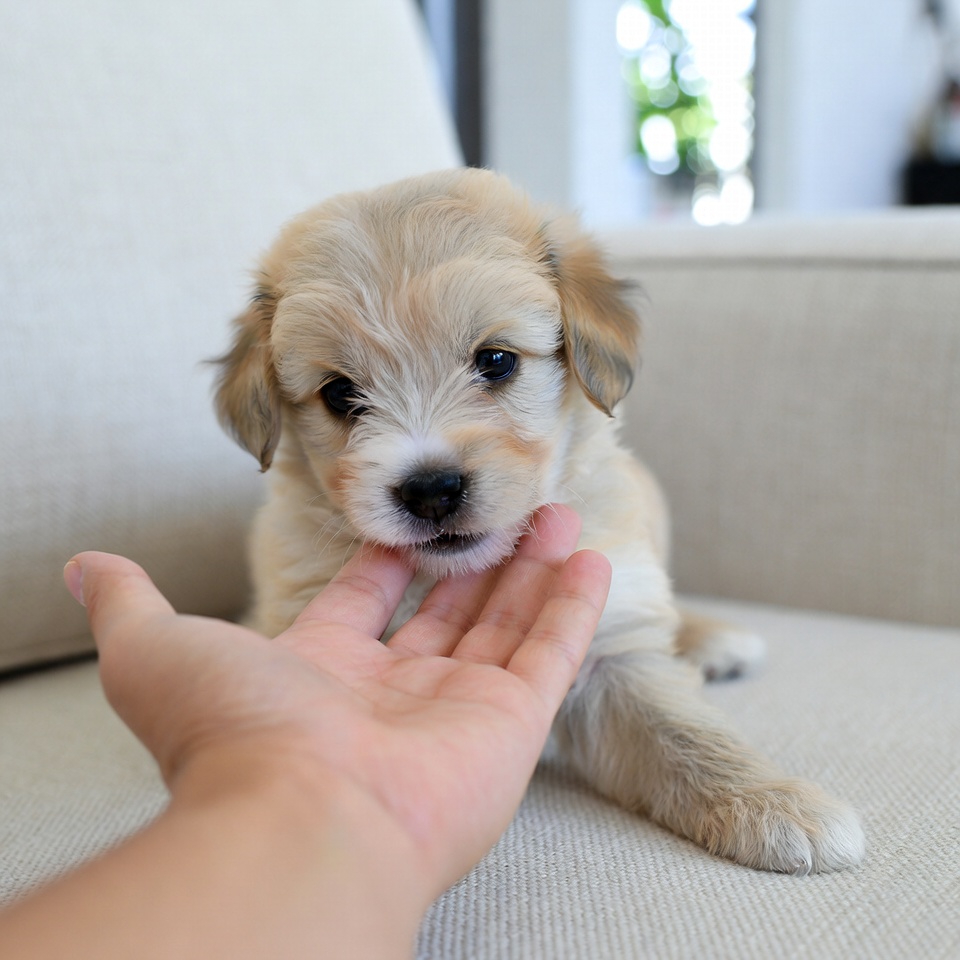
Step 1: Teach Bite Inhibition Early
Bite inhibition teaches puppies to control the pressure of their bite.
When your puppy bites too hard:
• Say “Ouch!” clearly
• Stop play immediately
• Turn away for 10–15 seconds
This teaches your puppy that biting ends fun.
Consistency makes this method highly effective.
Step 2: Redirect Biting to Toys
Never allow your hands to become chew toys.
Keep safe chew items nearby such as:
• Rubber toys
• Teething rings
• Rope toys
• Puppy-safe bones
Whenever your puppy bites you, calmly replace your hand with a toy.
Redirection works better than punishment.
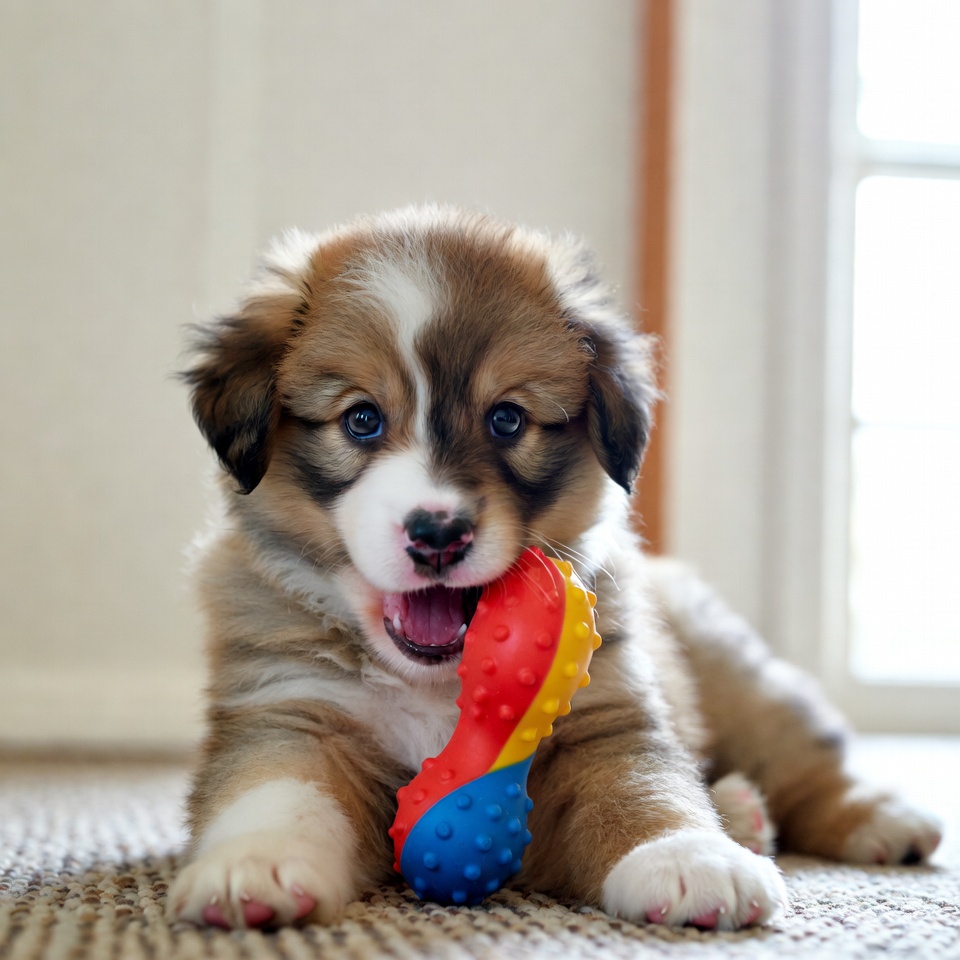
Step 3: Avoid Rough Play
Many owners accidentally encourage biting through rough games like:
• Hand wrestling
• Teasing
• Fast moving hands
These games confuse puppies and increase nipping behavior.
Instead, play controlled games like fetch or tug with rules.
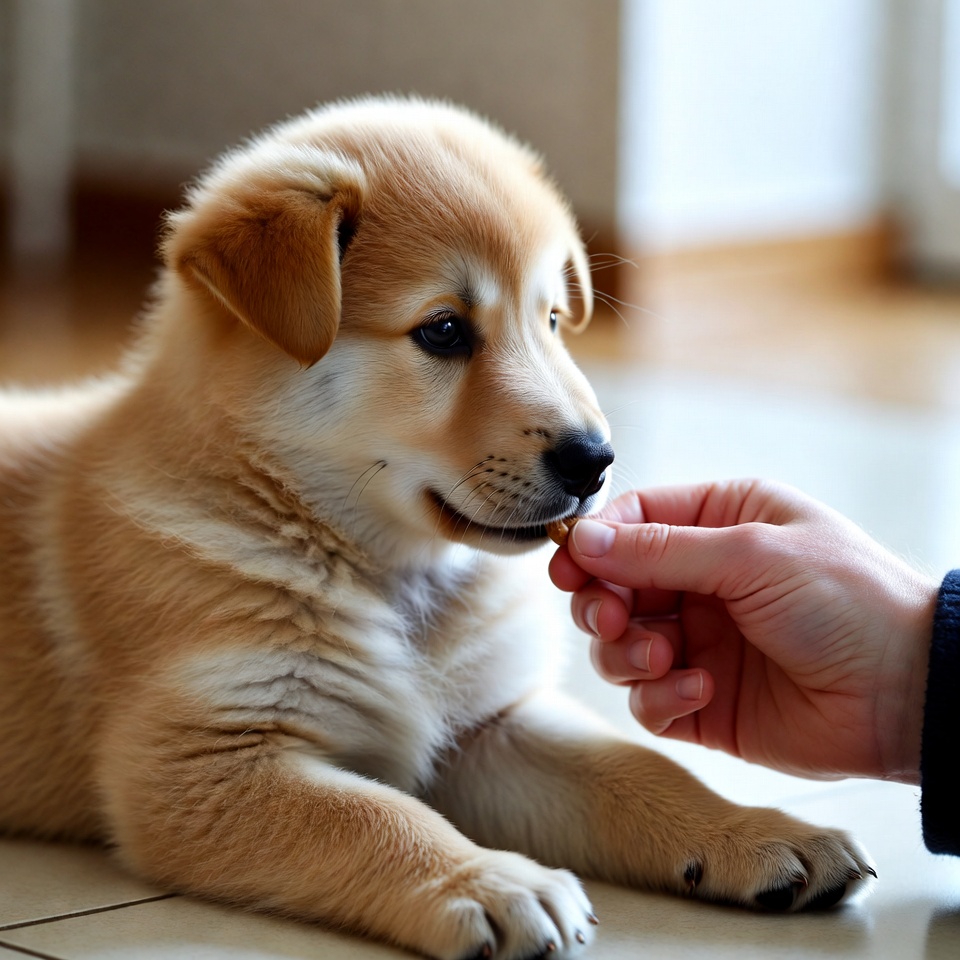
Step 4: Use Positive Reinforcement
Reward calm behavior immediately.
When your puppy plays without biting:
• Offer praise
• Give small treats
• Show affection
Positive reinforcement builds trust and encourages good behavior.
Avoid yelling or physical punishment — fear makes biting worse.
Step 5: Provide Enough Physical and Mental Exercise
Puppies with excess energy bite more.
Daily activities should include:
• Short walks
• Interactive toys
• Training sessions
• Puzzle games
A mentally stimulated puppy is less likely to chew hands and furniture.
Step 6: Use Time-Out Method When Necessary
If biting continues despite redirection:
• Stop interaction immediately
• Leave the room briefly
• Return calmly
This shows your puppy that biting causes attention loss.
Consistency is critical.
Common Mistakes That Make Puppy Biting Worse
Avoid these errors:
• Allowing playful nipping
• Using hands as toys
• Inconsistent reactions
• Overstimulating play
• Ignoring early signs
Training requires clear and predictable responses.
How Long Does It Take to Stop Puppy Biting?
Most puppies improve within:
3–7 days: Noticeable reduction
2 weeks: Strong control
1 month: Stable behavior
Results depend on consistency and age.
Teething phase usually reduces after 6 months.
When Puppy Biting May Be Aggressive
Rarely, biting may signal:
• Fear aggression
• Poor socialization
• Anxiety issues
Signs of concern include growling, stiff posture, or snapping.
Consult a professional trainer if these behaviors appear.
Long-Term Tips to Maintain Gentle Behavior
To prevent biting from returning:
• Continue training sessions
• Socialize your puppy
• Maintain exercise routine
• Reward calm play
• Stay patient
Gentle behavior becomes permanent when reinforced regularly.
Conclusion: You Can Train Your Puppy Not to Bite
Learning how to train a puppy not to bite is a normal part of raising a young dog. With patience, redirection, and consistent training, your puppy will quickly understand appropriate behavior.
Remember, biting is part of puppy development — but proper guidance turns playful nipping into gentle companionship.
Stay calm, stay consistent, and your puppy will grow into a well-mannered dog.
For mouthing problems, learn to stop biting hands specifically, redirect chewing urges onto toys, build bite inhibition through socialization, and use trade games with drop it.
Why Puppies Bite Hands (and How to Stop It)
Hands are the number-one biting target because they are always moving and always reachable. If hand-biting is your main problem, add these hand-specific tactics to the steps above:
- Do not wrestle with bare hands or wiggle fingers in front of his face. Always redirect mouthing to a real toy instead.
- Reward gentle mouth behavior. When your puppy takes a treat softly, mark and reward that gentleness.
- Soothe teething discomfort. Between 3 and 7 months, frozen carrots and puppy-safe teething toys give relief so your hands do not have to.
- Use short time-outs for hard bites. If teeth hit skin hard, play ends immediately for 20 to 30 seconds.
Frequently Asked Questions
Why does my puppy bite so much?
Mouthing is how puppies explore, play and soothe teething gums between 3 and 7 months. It is normal — your job is teaching them what is okay to bite.
What is the fastest way to stop puppy biting?
Redirect every bite to a toy and praise the switch. For hard bites, end the game for 30 seconds — puppies learn fast that teeth on skin stops the fun.
Does yelping like a puppy stop biting?
It works for some puppies, who soften their bite. If yelping excites your puppy more, skip it and use calm time-outs instead.
When will my puppy stop biting completely?
Most puppies improve hugely by 5–6 months and stop once adult teeth arrive around 7 months — provided you redirected consistently instead of punishing.

