
Introduction: Leash Training a Puppy Without Pulling Made Easy
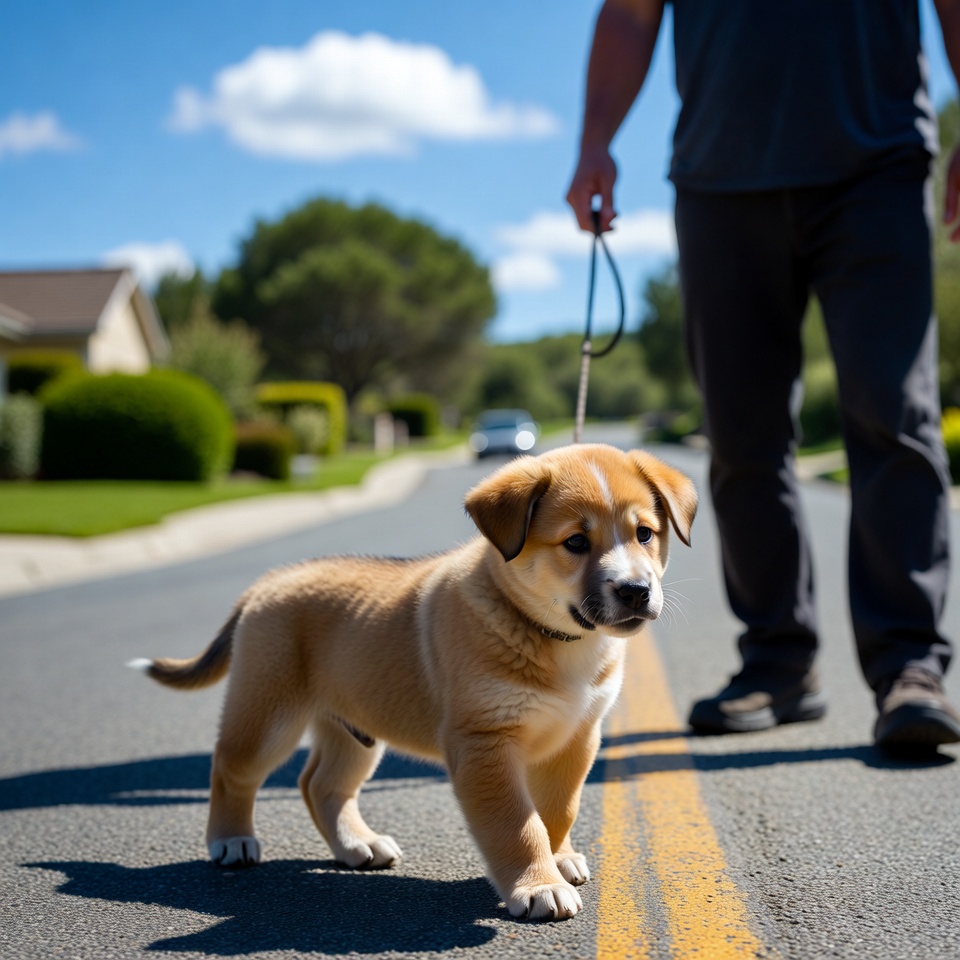
Leash training a puppy without pulling is one of the most important skills every dog owner must teach early. Many new puppies get overly excited during walks. They pull forward, jump, or drag their owners down the street.
While this behavior is common, it should not be ignored. If leash pulling becomes a habit, it becomes much harder to correct later.
The good news is that with proper technique, patience, and consistency, you can teach your puppy to walk calmly beside you. This guide will show you exactly how to master leash training a puppy without pulling using simple beginner-friendly steps.
Why Puppies Pull on the Leash
Before fixing the issue, it is important to understand the reason behind pulling.
Common causes include:
• Excitement about new environment
• Natural instinct to explore
• Lack of training
• Too much energy
• Inconsistent walking rules
Pulling is not disobedience — it is enthusiasm combined with lack of guidance.
Training teaches control.
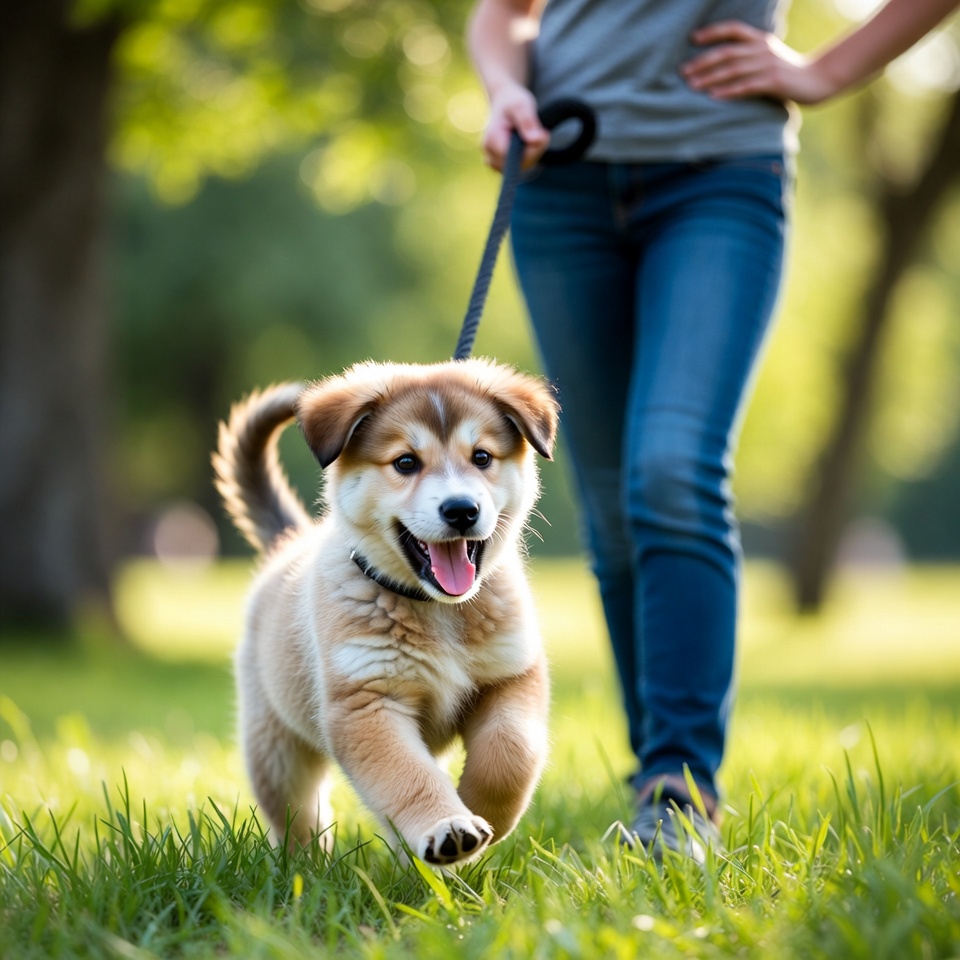
Step 1: Choose the Right Equipment
Proper tools make training easier.
Recommended:
• Standard flat collar or harness
• Lightweight leash (4–6 feet)
• Small training treats
Avoid retractable leashes during training.
They encourage pulling by rewarding forward movement.
Step 2: Start Training Indoors First
Begin leash training in a distraction-free environment.
Steps:
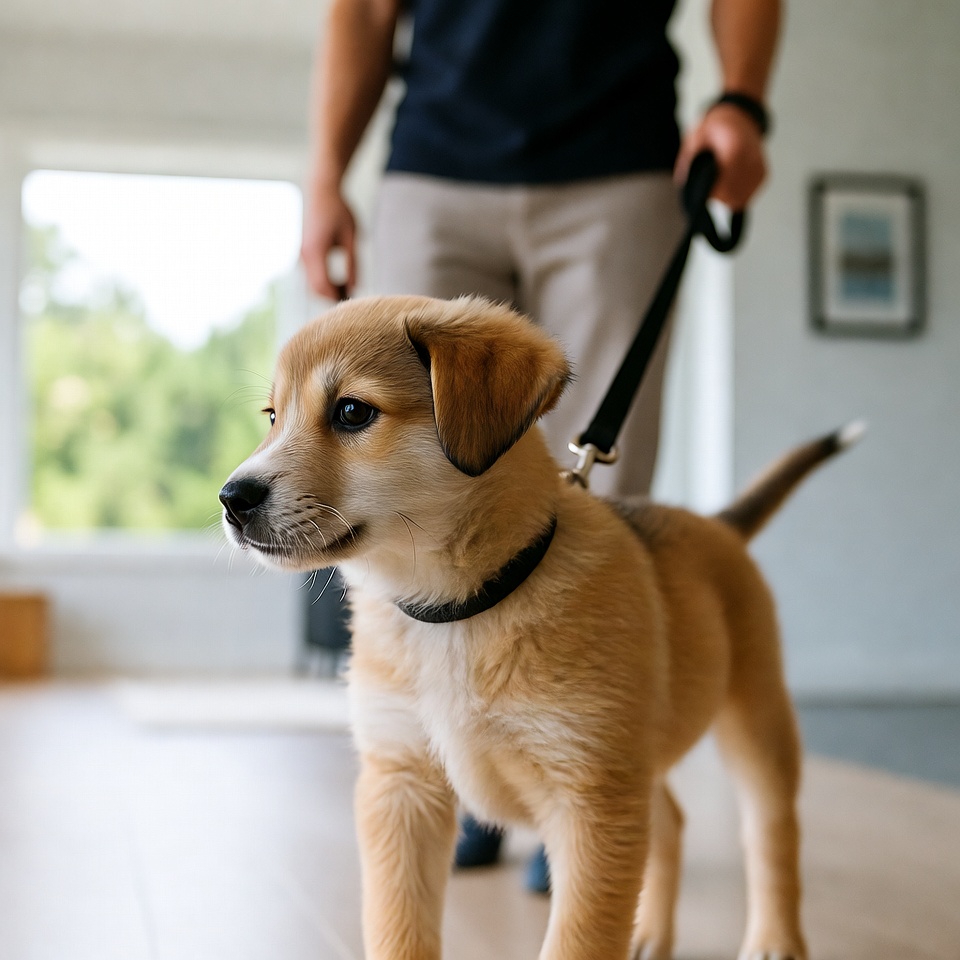
• Attach leash inside house
• Walk slowly
• Reward puppy for staying beside you
• Keep sessions short (5 minutes)
Indoor practice builds foundation before outdoor distractions.
Step 3: Use the Stop-and-Wait Method
This is one of the most effective techniques.
When puppy pulls:
• Stop walking immediately
• Stand still
• Wait until leash loosens
• Resume walking
Your puppy learns that pulling does not move you forward.
Consistency is key.
Step 4: Reward Loose Leash Walking
Positive reinforcement works faster than correction.
When leash stays loose:
• Praise warmly
• Give small treat
• Continue walking
Reward the exact behavior you want repeated.
Dogs repeat behaviors that earn rewards.
Step 5: Keep Walks Short and Structured
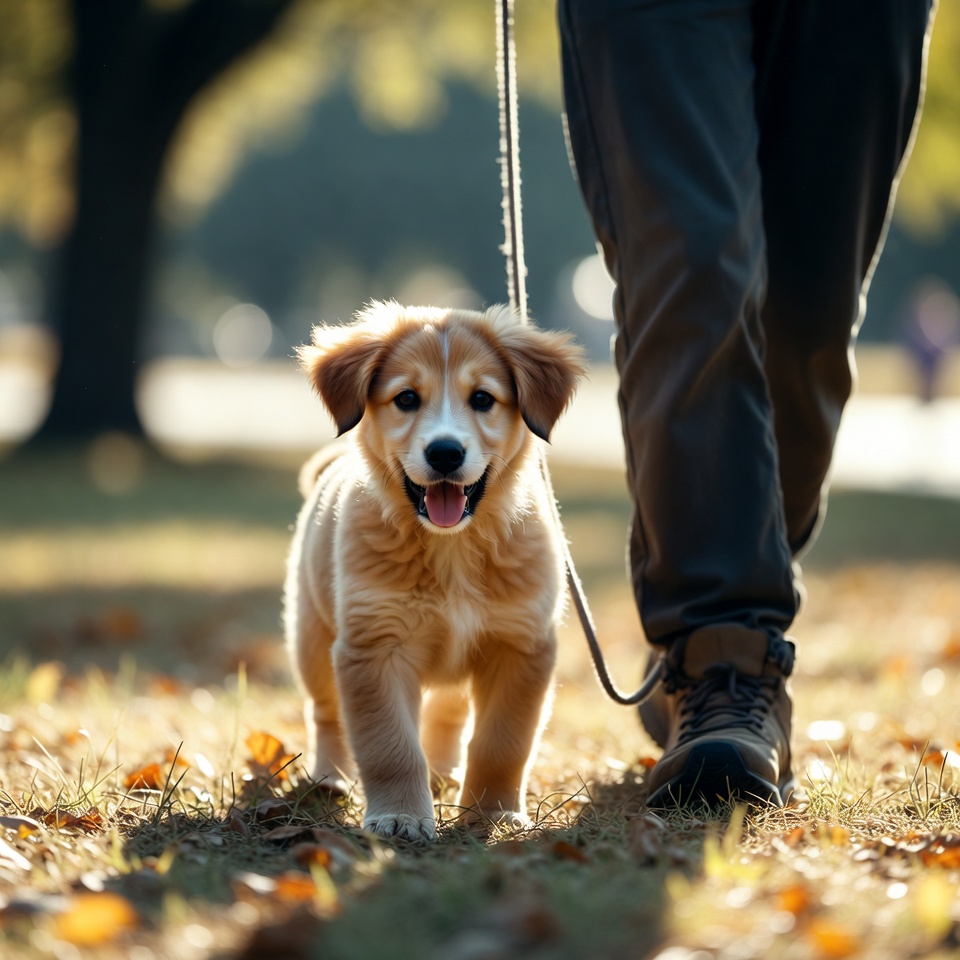
Early walks should be:
• 10–15 minutes
• Calm
• Focused on training
Do not turn walks into uncontrolled excitement.
Structure builds discipline.
Step 6: Change Direction Technique
When puppy pulls strongly:
• Turn around calmly
• Walk opposite direction
• Encourage puppy to follow
This teaches attention and focus.
Puppies quickly learn to watch your movement.
Common Mistakes in Leash Training
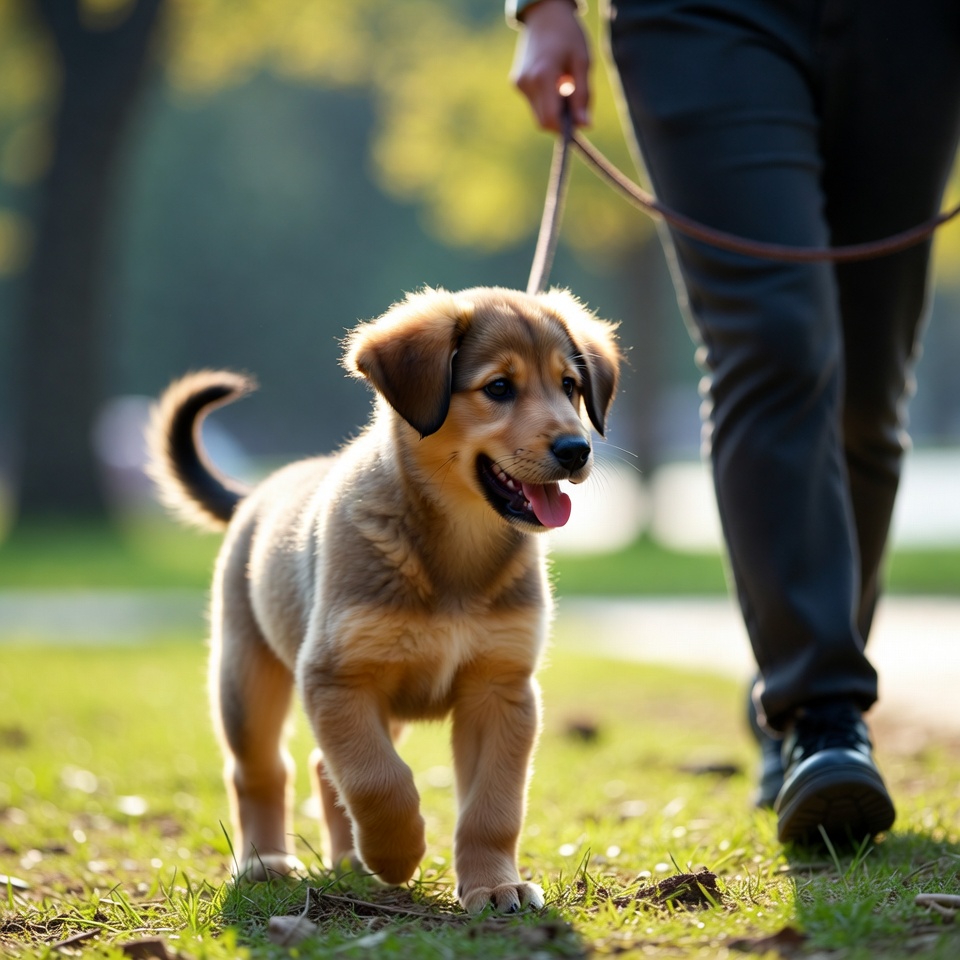
Avoid these beginner errors:
• Yanking leash aggressively
• Shouting commands
• Allowing pulling sometimes
• Using retractable leash
• Skipping rewards
Inconsistent behavior slows progress.
Calm consistency speeds results.
How Long Does Leash Training Take?
Typical timeline:
3–7 days: Noticeable improvement
2 weeks: Strong control
1 month: Reliable loose walking
Age, breed, and consistency affect results.
Patience is essential.
Next step: once your puppy walks without pulling, teach him to walk beside you in heel position — the advanced skill for calm, focused walks anywhere.
What to Do if Puppy Gets Distracted Easily
Outdoor distractions are normal.
If your puppy:
• Stops listening
• Pulls toward other dogs
• Gets excited by sounds
Try:
• Increasing distance from distractions
• Using higher-value treats
• Practicing in quieter areas first
Gradual exposure builds confidence.
Benefits of Proper Leash Training
Teaching leash manners early leads to:
• Stress-free walks
• Better obedience
• Stronger bond
• Improved social behavior
• Safer outdoor experiences
A well-trained puppy makes daily walks enjoyable instead of exhausting.
When to Consider Professional Help
Seek assistance if:
• Puppy shows aggression
• Extreme fear reactions occur
• No improvement after weeks
Some cases require personalized guidance.
Conclusion: Calm Walks Are Possible
Leash training a puppy without pulling requires patience, structure, and positive reinforcement. By starting indoors, rewarding loose leash behavior, and staying consistent, you can teach your puppy to walk calmly beside you.
Remember:
Pulling is excitement — not rebellion.
With proper guidance, your puppy will soon enjoy peaceful walks by your side.
Before heading out, train a reliable sit for walk focus. Practise walking beside you in quiet areas first — and use drop it for walk finds when your puppy picks things up. Recall training also keeps off-leash moments safe.
Frequently Asked Questions
Why does my puppy pull so hard on the leash?
Pulling is enthusiasm, not rebellion — puppies pull to explore faster. The stop-and-wait method teaches them that pulling stops forward motion, while a loose leash keeps the walk moving.
Are retractable leashes bad for training?
Yes — retractable leashes reward pulling by letting the puppy move forward when the leash tightens. Use a standard 4–6 foot leash and a flat collar or harness while training.
How long until my puppy stops pulling?
Most puppies show noticeable improvement in 3–7 days and strong control by 2 weeks. Reliable loose-leash walking typically takes about a month of consistent practice.
What if my puppy gets distracted by everything outside?
Increase your distance from distractions, use higher-value treats, and practise in quieter areas first. Gradual exposure builds focus — don’t start training on a busy high street.

