
Introduction: How to Calm a Hyper Puppy Naturally at Home
If you’re searching for how to calm a hyper puppy naturally, you’re likely dealing with nonstop zoomies, jumping, barking, biting, and endless energy. While this behavior can be adorable at first, it quickly becomes exhausting.
The truth is, hyperactivity in puppies is completely normal — especially between 8 weeks and 8 months of age. Puppies are learning about the world, testing boundaries, and burning off rapid growth energy.
However, hyper behavior must be guided properly. If ignored, it can turn into long-term behavioral problems.
The good news? You do NOT need harsh discipline or punishment. You can calm your puppy using natural, structured, and positive techniques that build long-term emotional balance.
In this guide, you’ll learn exactly how to calm a hyper puppy naturally using proven training strategies that work for beginners.
Why Puppies Become Hyper
Before calming behavior, you must understand the cause.
Common reasons include:
• Excess physical energy
• Lack of mental stimulation
• Overtiredness
• Overexcitement
• Inconsistent routine
Surprisingly, many hyper puppies are actually overtired — not over-energized.
Understanding the root cause makes training easier.
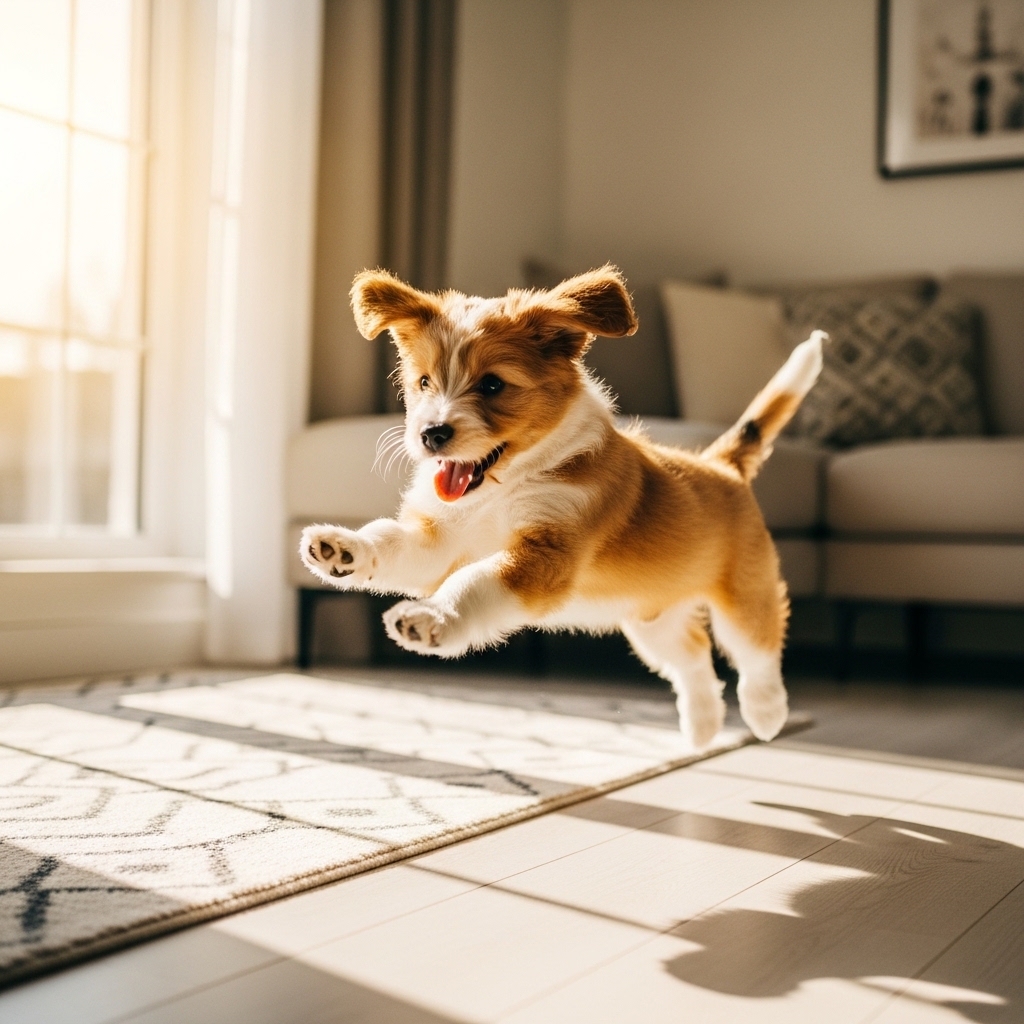
Step 1: Provide Structured Physical Exercise
A hyper puppy often needs controlled exercise.
Daily activity should include:
• 2–3 short walks
• 10–15 minutes of fetch
• Tug games with rules
• Outdoor exploration
However, avoid over-exercising young puppies. Too much stimulation increases adrenaline.
Balance is key.
Exercise should end before exhaustion.
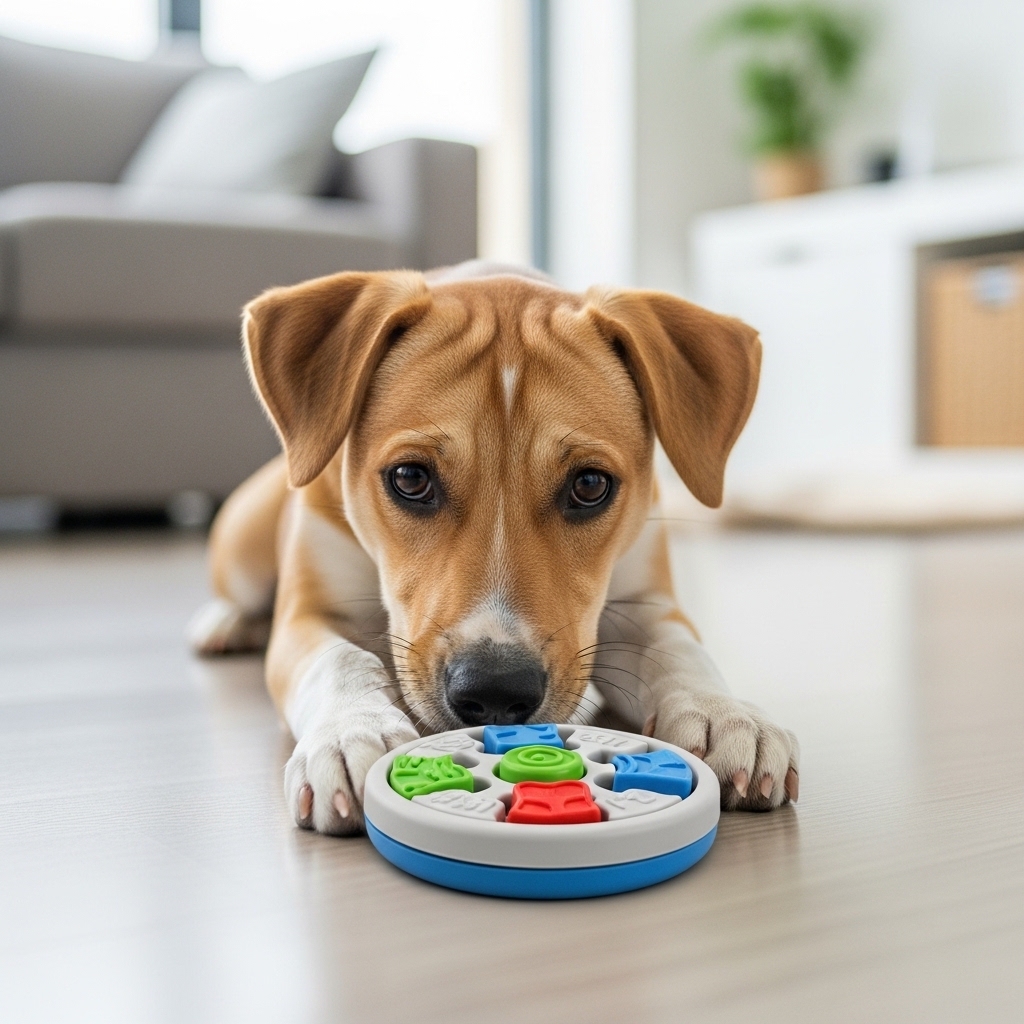
Step 2: Add Mental Stimulation (More Powerful Than Exercise)
Mental games tire puppies faster than physical running.
Effective activities:
• Puzzle toys
• Snuffle mats
• Hide-and-seek games
• Basic command training
• Scent tracking games
A 10-minute training session can calm a puppy more than a 30-minute walk.
Mental focus reduces impulsive behavior naturally.
Step 3: Create a Predictable Daily Routine
Puppies feel calmer with structure.
A simple daily routine:
Morning: Potty → Walk → Breakfast
Midday: Nap → Play → Training
Evening: Calm play → Dinner → Relax
When puppies know what to expect, anxiety reduces.
Structure builds emotional stability.
Routine is one of the strongest natural calming tools.
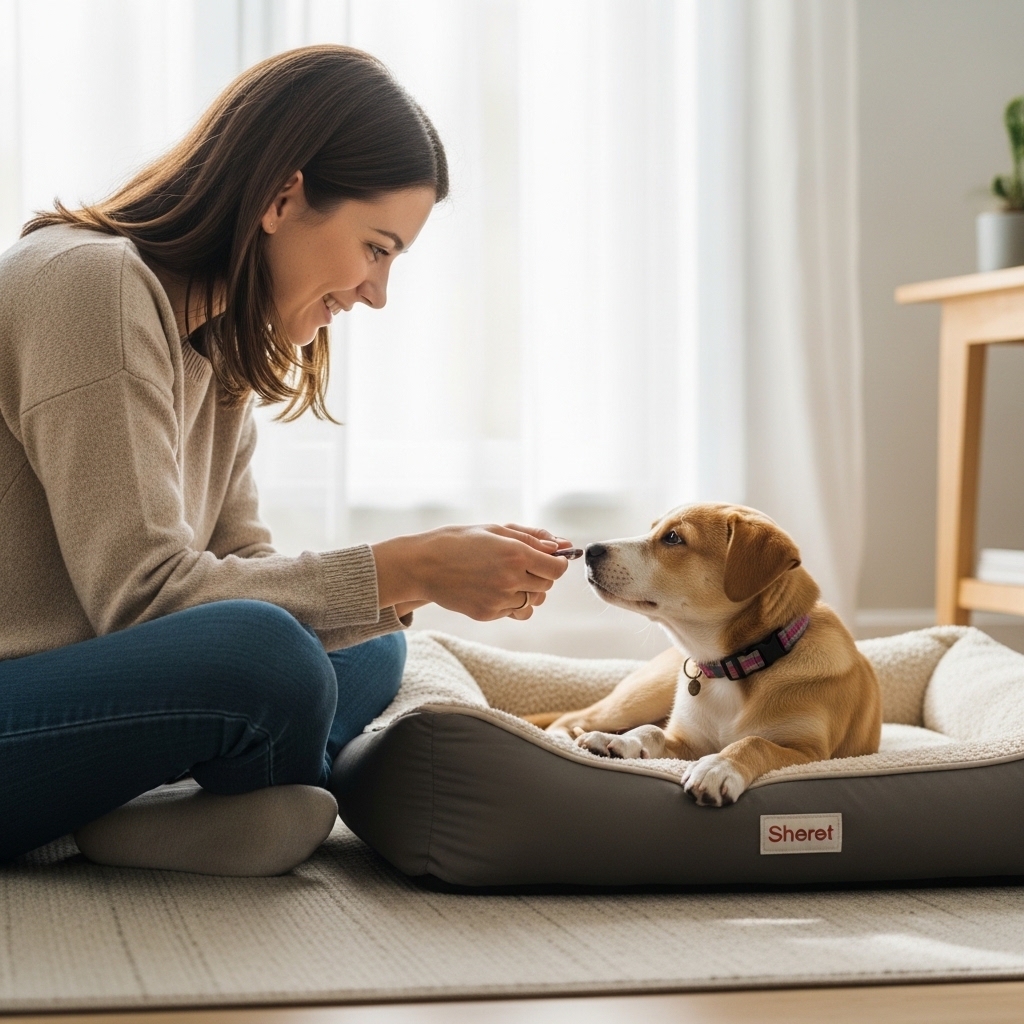
Step 4: Teach the “Settle” Command
The “settle” command teaches relaxation.
Training steps:
-
Wait for calm moment
-
Say “Settle”
-
Reward immediately
-
Repeat daily
Gradually increase duration of calm behavior before rewarding.
This teaches self-control.
Step 5: Avoid Overstimulation
Many owners accidentally create hyper behavior by:
• Encouraging rough play
• Allowing constant excitement
• Using high-energy tone
• Letting guests overstimulate puppy
Balance play with calm periods.
After every active session, schedule rest.
Hyper puppies need help learning to switch off.
Step 6: Use Calm Energy Yourself
Dogs mirror your energy.
If you shout or move quickly, excitement increases.
Instead:
• Speak softly
• Move slowly
• Avoid sudden gestures
Calm leadership influences puppy behavior naturally.
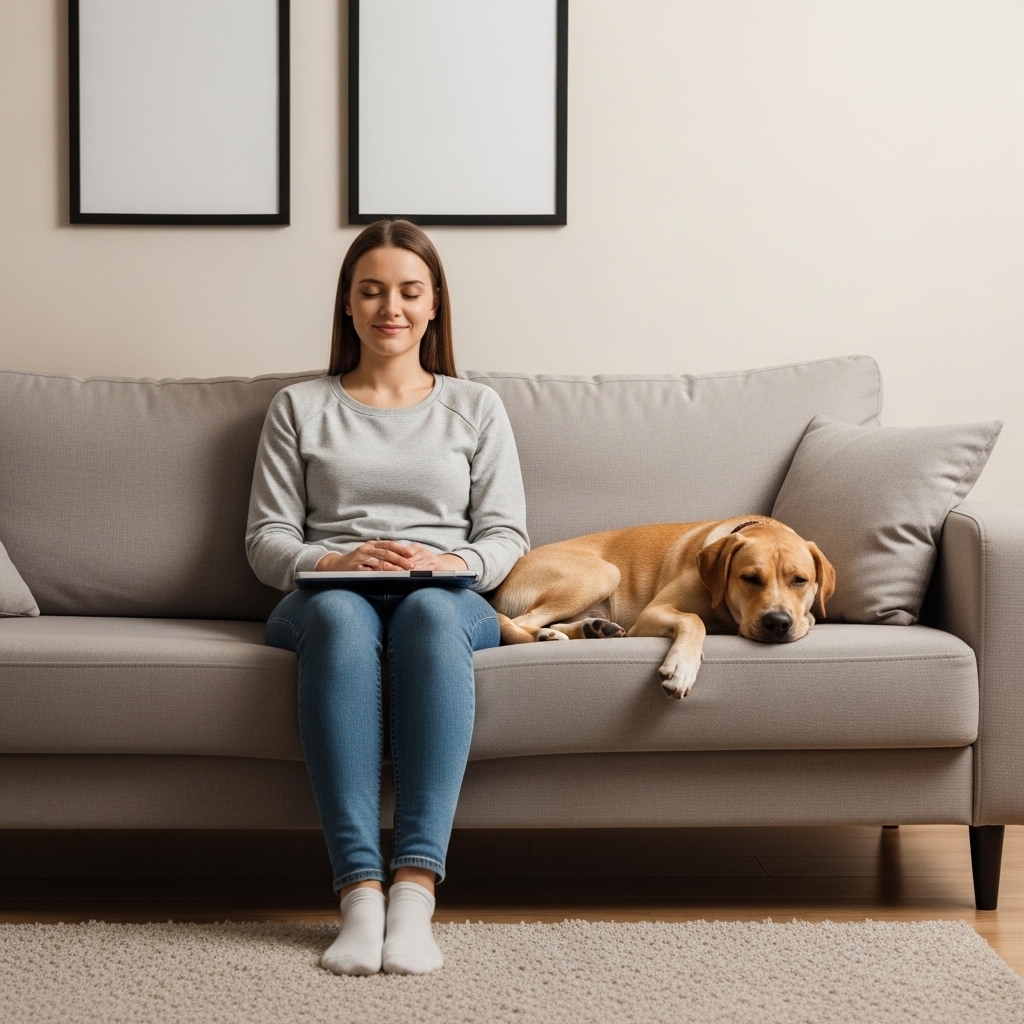
Step 7: Ensure Proper Sleep
Puppies need 16–20 hours of sleep daily.
Overtired puppies become:
• Bitey
• Jumping
• Loud
• Uncontrollable
Schedule nap times.
Use crate or quiet area for rest.
Many hyper episodes disappear after proper sleep.
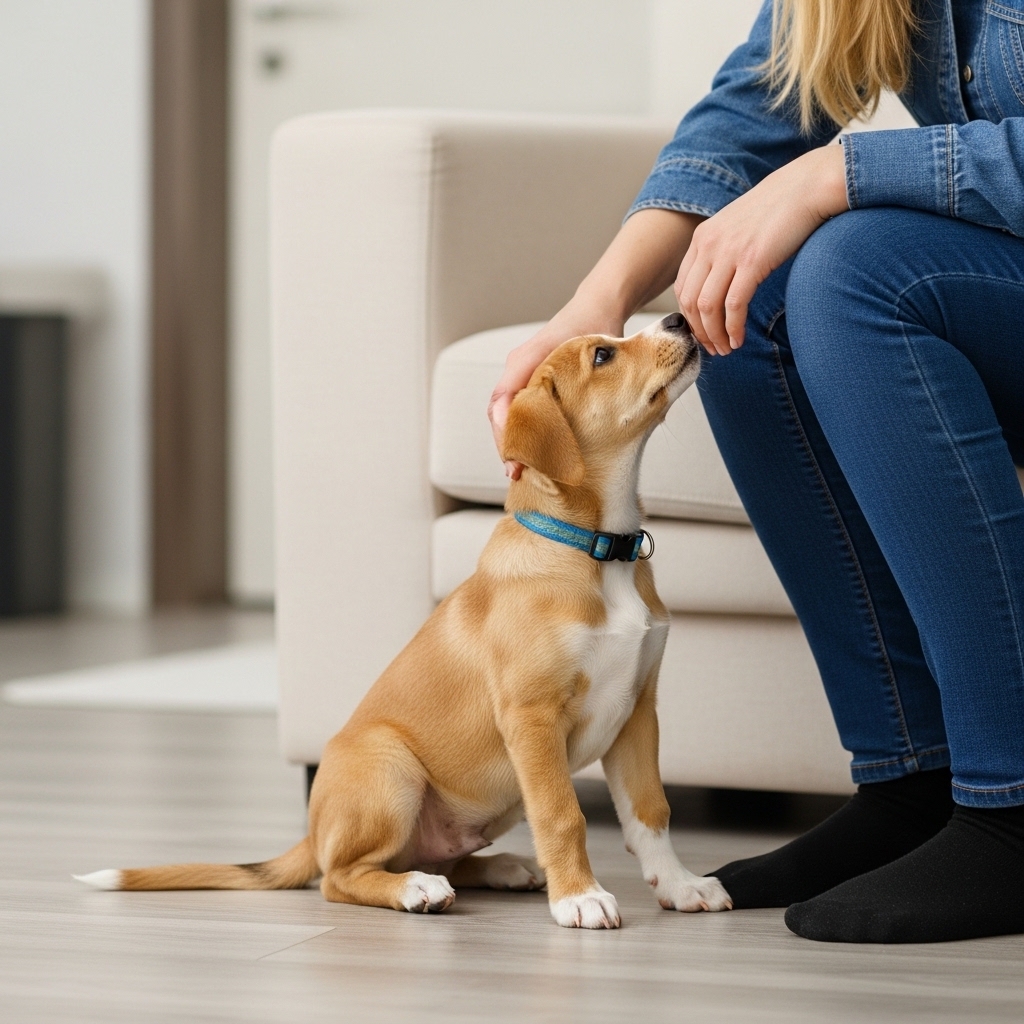
Step 8: Reward Calm Behavior More Than Excited Behavior
Owners often reward excitement accidentally.
For example:
• Petting when puppy jumps
• Laughing during hyper moments
• Giving attention during chaos
Instead:
• Ignore jumping
• Reward sitting calmly
• Praise quiet moments
Behavior that gets rewarded gets repeated.
Common Mistakes That Make Hyperactivity Worse
Avoid these:
• Yelling at puppy
• Using punishment
• Over-exercising
• Ignoring naps
• Inconsistent schedule
Hyper behavior is not defiance — it is unmanaged energy.
Guidance works better than force.
How Long Does It Take to Calm a Hyper Puppy?
Timeline depends on consistency.
3–5 days: Noticeable improvement
2 weeks: Better self-control
1 month: Strong habit formation
Energy levels naturally reduce as puppy matures.
Training accelerates calmness.
When Hyperactivity May Be a Concern
Consult vet if:
• Extreme nonstop activity
• Aggressive behavior
• No response to training
• Signs of anxiety disorder
Rarely, hyperactivity may need professional help.
Long-Term Emotional Balance Strategy
For lifelong calm behavior:
• Maintain routine
• Continue training
• Provide mental challenges
• Practice relaxation exercises
• Socialize gradually
Calm behavior must be reinforced regularly.
Conclusion: Calmness Can Be Taught
Learning how to calm a hyper puppy naturally is about structure, balance, and positive reinforcement. Hyperactivity is not bad behavior — it is unchanneled energy.
With routine, mental stimulation, proper sleep, and calm leadership, your puppy will learn self-control and emotional balance.
Patience turns chaos into confidence.
Read More Dogs News

