
Introduction: How to Potty Train a Puppy in an Apartment Successfully
Learning how to potty train a puppy in an apartment can feel much harder than house training in a home with a yard. You may not have quick outdoor access. Elevators, stairs, and long hallways can make potty breaks stressful.
Many apartment owners worry about:
• Frequent accidents
• Neighbor complaints
• Nighttime emergencies
• Limited outdoor access
The good news is that apartment potty training is completely possible — and often faster — when you use a structured system.
In this detailed guide, you’ll learn exactly how to potty train a puppy in an apartment using realistic, beginner-friendly methods that work even in high-rise buildings.
Why Apartment Potty Training Is Different
Apartment training requires more planning because:
• Outdoor access takes longer
• Puppies have smaller bladder control
• Accidents may happen before reaching outside
Young puppies can only hold their bladder for about:
2 months old → 2 hours
3 months old → 3 hours
4 months old → 4 hours
That’s why apartment training often combines indoor and outdoor methods.
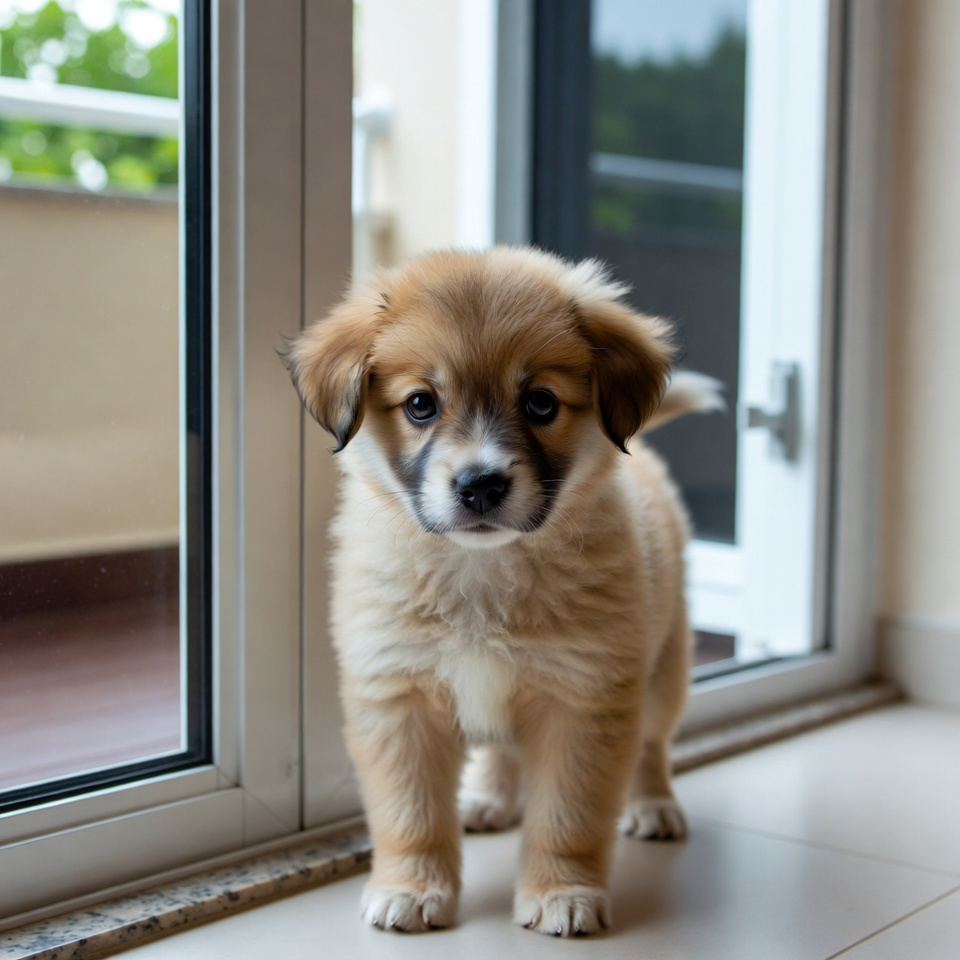
Step 1: Choose Your Potty System (Indoor, Outdoor, or Hybrid)
The first decision in how to potty train a puppy in an apartment is selecting a potty method.
You have 3 options:
1. Outdoor Only
Best if you can go downstairs quickly.
2. Indoor Pads
Useful for high-rise apartments.
3. Hybrid Method
Start indoors → gradually transition outdoors.
Most apartment owners succeed with hybrid training.
Step 2: Create a Strict Potty Schedule
Structure is everything.
Take your puppy to potty:
• Immediately after waking
• After eating
• After playing
• Before bedtime
• Every 2–3 hours
Consistency builds habit faster than correction.
Use phone alarms if necessary.
Routine prevents accidents.
Step 3: Set Up an Indoor Potty Area Properly
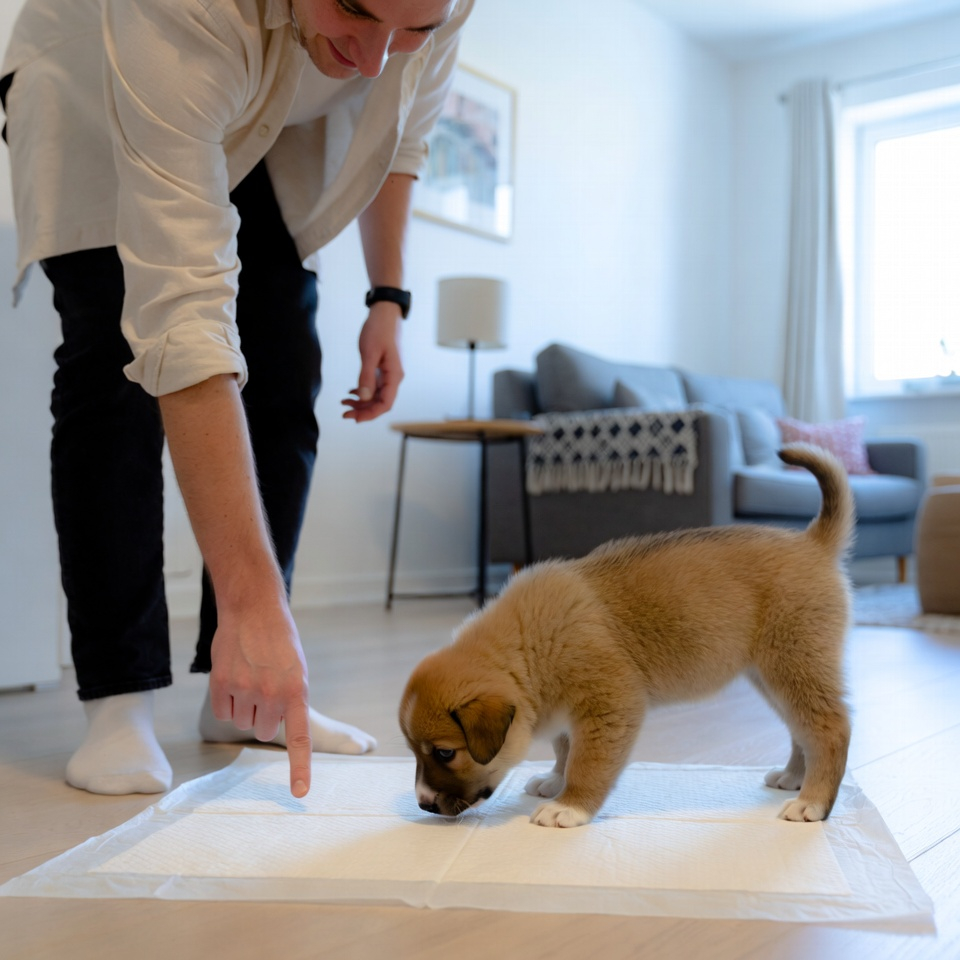
If using pads:
• Choose one fixed location
• Avoid moving pads daily
• Keep area quiet and consistent
Place pads away from sleeping and eating zones.
Dogs naturally avoid soiling their rest areas.
Never scatter pads around apartment.
Location consistency prevents confusion.
Step 4: Use Verbal Potty Command
When your puppy is about to potty, say:
“Go potty”
Repeat the same phrase every time.
Eventually, the puppy connects the phrase with action.
This makes emergency situations easier.
Verbal commands are powerful tools in apartment training.
Step 5: Reward Immediately and Generously
Timing matters.
When your puppy uses the correct area:
• Praise warmly
• Offer small treat
• Show excitement
Reward within 3 seconds.
Delayed rewards confuse puppies.
Positive reinforcement speeds progress dramatically.
Step 6: Prevent Accidents Through Supervision
Supervision is more important than cleaning.
When not supervising:
• Use crate
• Use playpen
• Limit free roaming
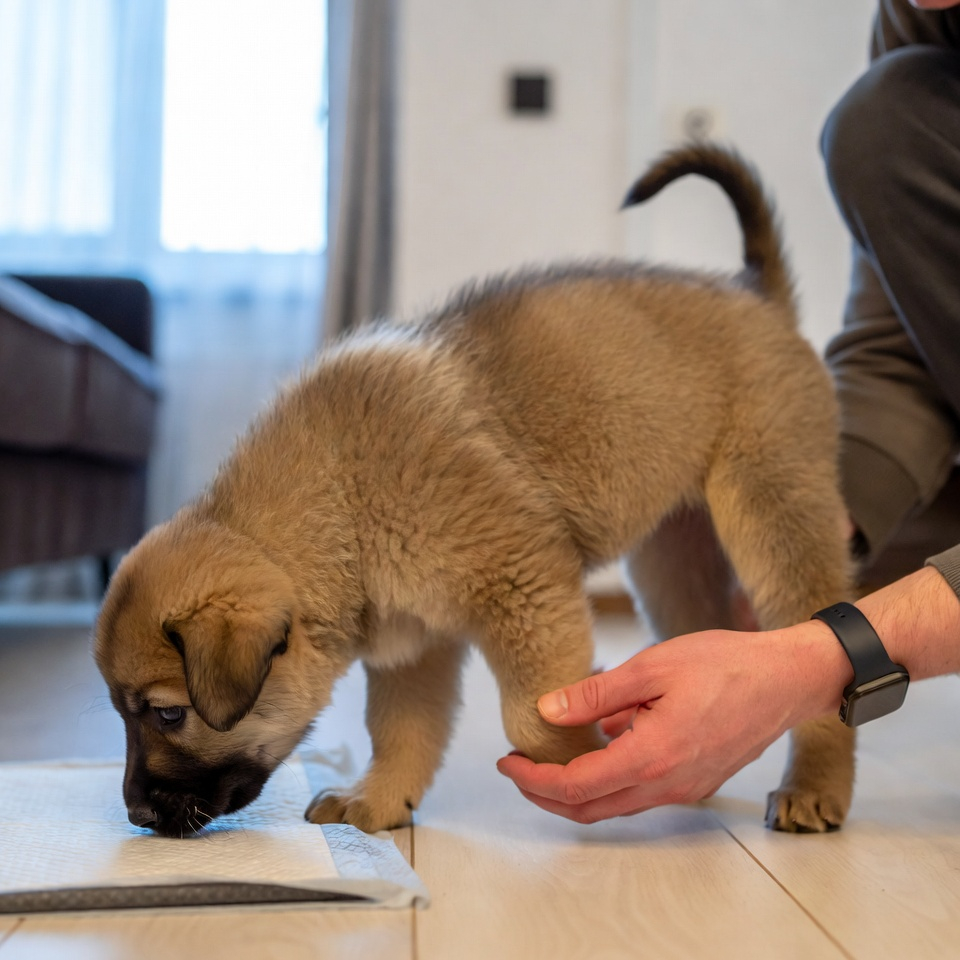
Watch for warning signs:
• Sniffing
• Circling
• Sudden stillness
Quick action prevents mistakes.
Step 7: Clean Accidents Properly
If smell remains, puppies repeat behavior.
Use enzyme-based cleaners only.
Avoid:
• Bleach
• Strong perfumes
• Ammonia cleaners
These can attract repeat accidents.
Proper cleaning removes scent signals.
Step 8: Transition from Indoor to Outdoor (Optional)
If your goal is outdoor potty:
Gradual transition plan:
Week 1–2: Pad near balcony/door
Week 3: Move pad closer to exit
Week 4: Remove pad completely
Gradual change prevents confusion.
Never remove pad suddenly.
Nighttime Potty Strategy for Apartments
Night accidents are common.
Tips:
• Limit water 1 hour before bed
• Final potty trip before sleep
• Keep leash ready near door
Young puppies may need one midnight potty break.
Set alarm if needed.
Consistency improves bladder control.
Common Apartment Potty Training Mistakes
Avoid these:
• Changing potty location frequently
• Punishing accidents
• Allowing full apartment access too early
• Inconsistent schedule
• Removing pads too soon
Mistakes delay progress.
Consistency accelerates success.
Realistic Timeline for Apartment Potty Training
Typical progress:
First 3–5 days → Learning location
2 weeks → Fewer accidents
1 month → Strong habit
2–3 months → Reliable control
Every puppy learns at different pace.
Stay patient.
Special Tips for High-Rise Apartment Owners
If you live above 5th floor:
• Keep emergency pads
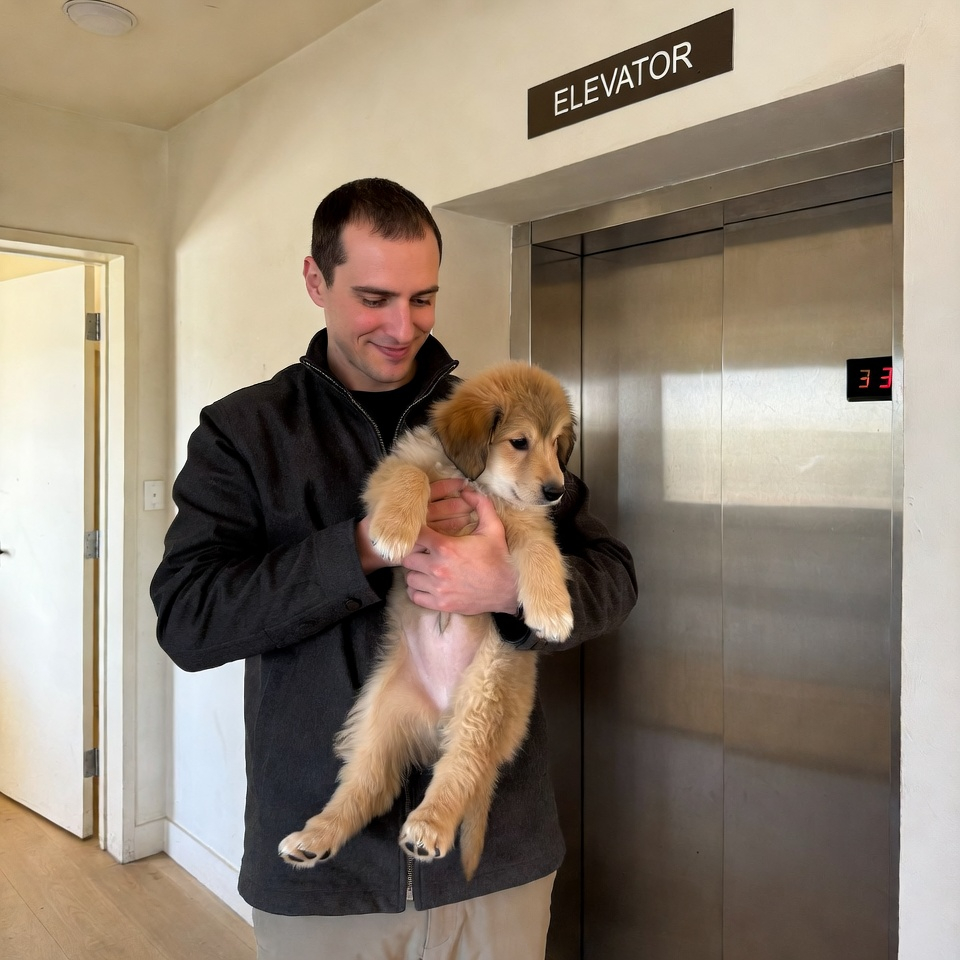
• Use elevator efficiently
• Carry puppy if small
• Plan potty breaks around busy times
Preparation prevents stress.
Apartment life requires planning — not frustration.
When to Be Concerned
Consult vet if:
• Frequent urination
• Blood in urine
• Sudden regression
• Excessive accidents
Medical issues must be ruled out.
Long-Term Clean Habit Maintenance
After success:
• Maintain schedule
• Reward occasionally
• Monitor behavior changes
• Adjust with age
Training never fully stops — it evolves.
Conclusion: Apartment Potty Training Is Achievable
Learning how to potty train a puppy in an apartment requires structure, supervision, and patience. With a clear system, consistent schedule, and positive reinforcement, your puppy can develop clean habits quickly — even without a yard.
Apartment living does not limit training success.
Consistency turns small spaces into structured learning environments.
Read More Dogs News

