
Introduction: Why Puppies Chew Everything
If you’re searching for how to stop a puppy from chewing everything, you’re probably finding bite marks on furniture, shoes, cables, or household items. Chewing is one of the most common puppy behaviors, and while it may be frustrating, it is also completely natural.
Puppies chew because they are:
• Teething
• Exploring their environment
• Releasing excess energy
• Relieving stress or boredom
However, without guidance, chewing can turn into destructive habits that damage your home and create safety risks for your puppy.
The good news is that chewing can be redirected and controlled using proper training techniques. In this guide, you’ll learn exactly how to stop a puppy from chewing everything using proven step-by-step methods.
Why Puppies Love to Chew
Understanding the reason behind chewing helps solve the problem faster.
Common causes include:
• Teething pain (3–6 months)
• Curiosity about new textures
• Lack of toys
• Boredom
• Anxiety
Chewing releases endorphins that calm puppies. That’s why simply stopping chewing is not enough — you must redirect it.

Step 1: Provide Appropriate Chew Toys
The first step in how to stop a puppy from chewing everything is providing acceptable chewing alternatives.
Recommended chew items include:
• Rubber chew toys
• Rope toys
• Teething rings
• Puppy-safe chew bones
Rotate toys regularly to maintain interest.
When your puppy chooses a toy instead of furniture, praise immediately.
This reinforces good choices.
Step 2: Puppy-Proof Your Home
Prevention is easier than correction.
Remove tempting objects such as:
• Shoes
• Socks
• Remote controls
• Electrical cords
• Furniture corners
Keep these items out of reach.
A controlled environment prevents repeated mistakes.

Step 3: Redirect Chewing Immediately
When your puppy chews something inappropriate:
-
Calmly interrupt
-
Remove the object
-
Offer chew toy instead
-
Praise when puppy accepts toy
Never shout or punish.
Redirection teaches acceptable behavior.
Consistency builds habit.
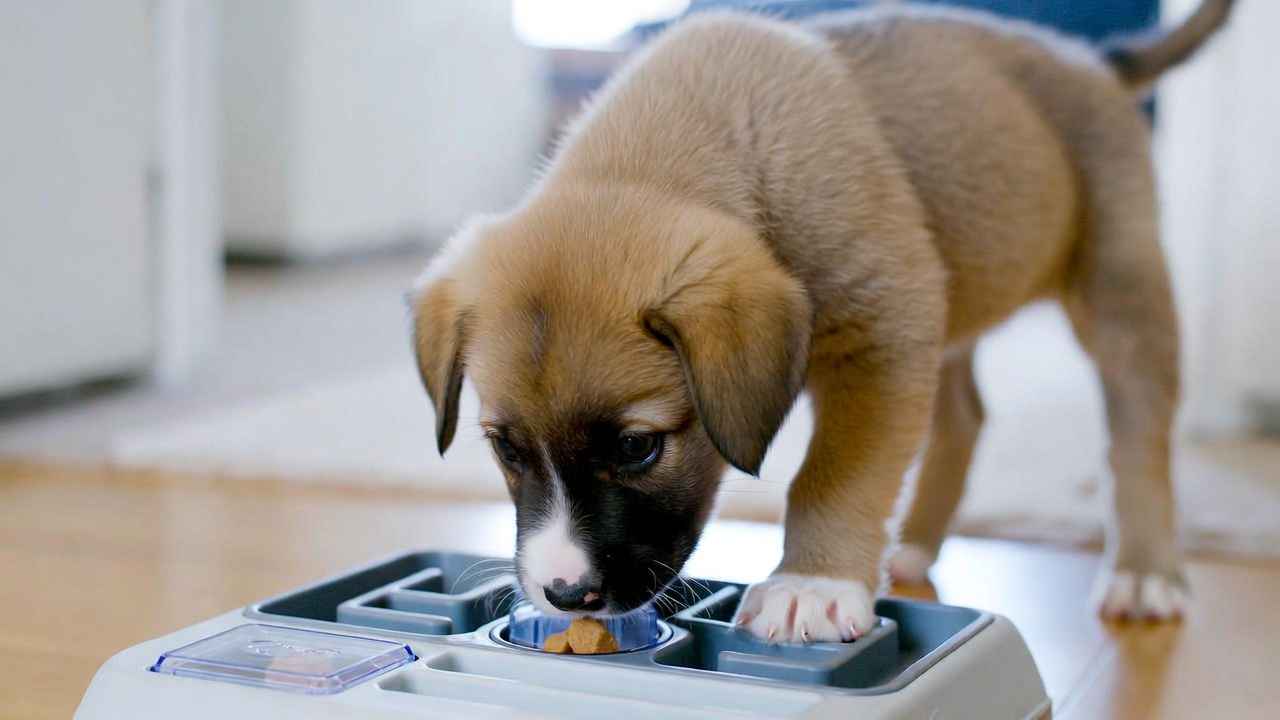
Step 4: Increase Mental Stimulation
Bored puppies chew more.
Provide daily mental activities such as:
• Puzzle toys
• Training sessions
• Hide-and-seek games
• Snuffle mats
Mental exercise reduces destructive chewing.
Even 10 minutes of brain work can calm a puppy.
Step 5: Ensure Enough Physical Exercise
Excess energy often leads to chewing.
Daily exercise should include:
• Walks
• Fetch games
• Tug sessions
• Outdoor exploration
However, avoid over-exercising young puppies.
Balance activity with rest.
A tired puppy is less destructive.
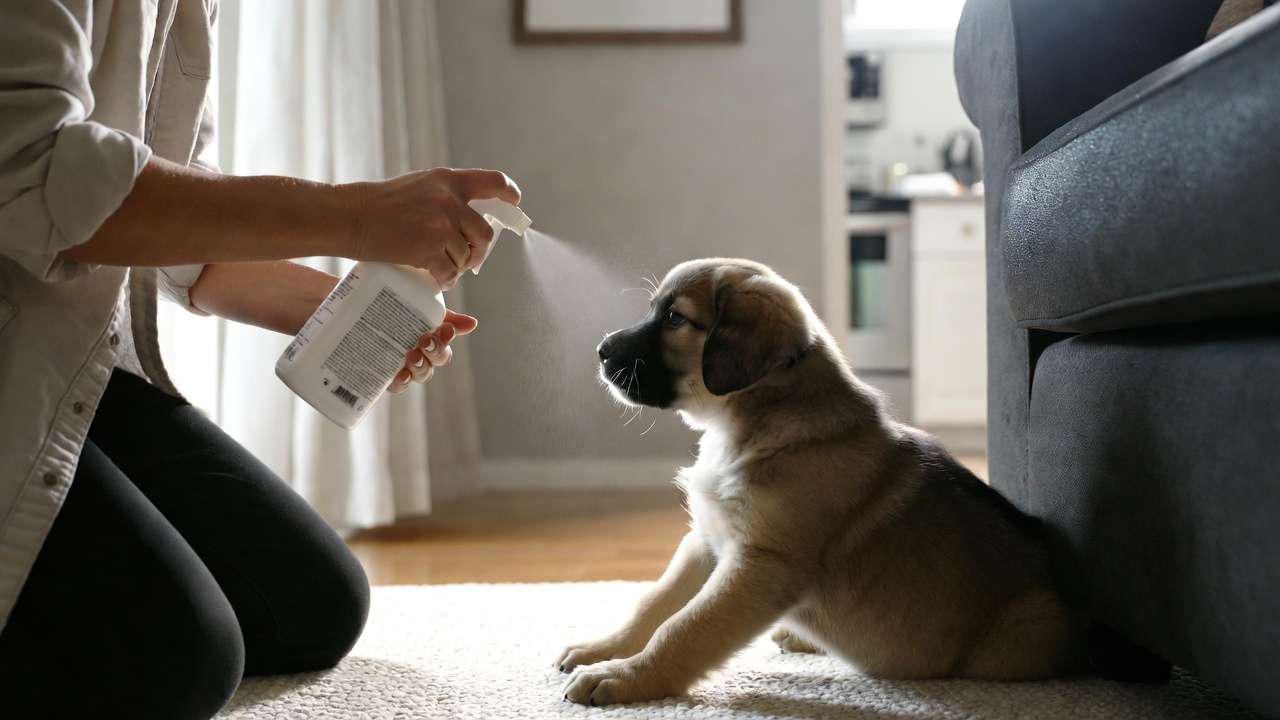
Step 6: Use Taste Deterrent Sprays
Pet-safe deterrent sprays can discourage chewing.
Apply on:
• Furniture legs
• Cables
• Baseboards
These sprays have bitter taste but are harmless.
Puppies quickly learn to avoid treated areas.
Step 7: Teach the “Leave It” Command
Training commands adds control.
Steps to teach “Leave It”:
-
Hold treat in closed hand
-
Say “Leave it”
-
Wait for puppy to stop trying
-
Reward with different treat
Practice daily.
This command prevents many destructive behaviors.
Common Mistakes That Make Chewing Worse
Avoid these mistakes:
• Giving old shoes as toys
• Leaving puppy unsupervised too long
• Punishing after the fact
• Lack of exercise
• Inconsistent rules
Clear boundaries prevent confusion.

How Long Does It Take to Stop Destructive Chewing?
Typical timeline:
3–7 days → Noticeable improvement
2–3 weeks → Reduced damage
1–2 months → Stable habits
Teething phase naturally decreases around 6 months.
Consistency accelerates progress.
Safety Warning: Dangerous Items Puppies Chew
Some objects are extremely risky:
• Electrical cords
• Small plastic objects
• Toxic plants
• Children’s toys
Always monitor puppy environment carefully.
Prevention protects health.
Long-Term Chewing Management
Even adult dogs enjoy chewing.
Maintain healthy habits by:
• Providing safe chew toys
• Rotating toy selection
• Practicing commands
• Maintaining routine
Chewing becomes positive outlet instead of problem.
Emotional Perspective: Your Puppy Is Learning
Your puppy is not trying to destroy your home.
They are:
• Exploring
• Growing
• Teething
• Learning boundaries
Patience and guidance shape their behavior.
Conclusion: Destructive Chewing Can Be Controlled
Learning how to stop a puppy from chewing everything requires prevention, redirection, and consistent training. By providing proper chew toys, increasing stimulation, and teaching commands, you can protect your home while guiding your puppy toward healthy chewing habits.
With patience and structure, destructive chewing becomes manageable.
Read More Dogs News

