
Introduction: Why Puppies Bark So Much
If you’re searching for how to train a puppy not to bark excessively, you’re likely dealing with a puppy that barks at strangers, noises, other dogs, or sometimes for no obvious reason.
Barking is a natural form of communication for dogs. Puppies bark to express excitement, fear, boredom, or to get attention. However, when barking becomes constant, it can create stress for both owners and neighbors.
The key to solving this problem is understanding why your puppy is barking in the first place. Once you identify the cause, you can teach your puppy calmer ways to communicate.
In this guide, you will learn exactly how to train a puppy not to bark excessively using simple and effective training techniques that work for beginners.
Why Puppies Bark Excessively
Before correcting barking behavior, you must understand the triggers.
Common reasons include:
• Attention seeking
• Fear or anxiety
• Alerting to sounds
• Boredom
• Excitement
• Lack of exercise
Each cause requires a slightly different training approach. The goal is not to stop barking completely, but to teach your puppy when barking is appropriate.
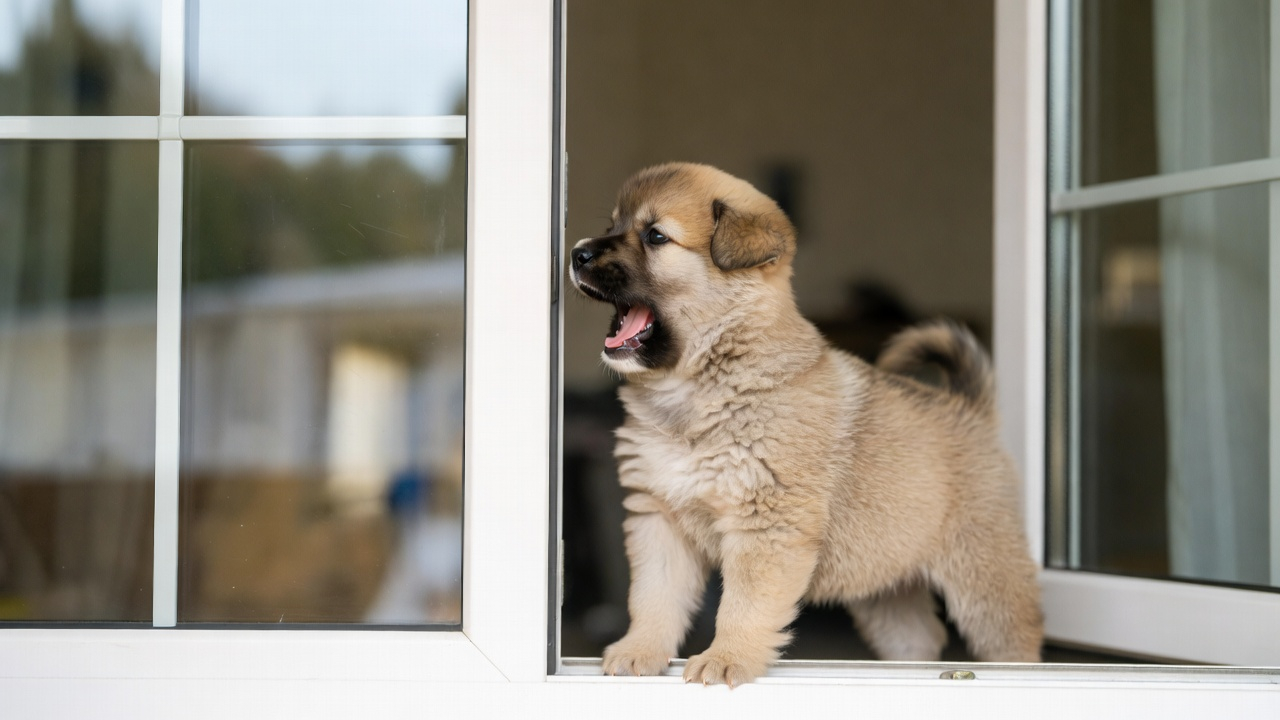
Step 1: Identify the Trigger First
The first step in how to train a puppy not to bark excessively is identifying what triggers the barking.
Observe when barking happens:
• When someone knocks on the door
• When the puppy is left alone
• During playtime
• When seeing other dogs
Once you know the trigger, you can design a targeted training strategy.
Keeping a short behavior journal for a few days can help identify patterns.
Step 2: Teach the “Quiet” Command
Training a quiet command is one of the most effective techniques.
Steps to teach it:
-
Allow your puppy to bark once or twice
-
Say the word “Quiet” calmly
-
Wait for a pause in barking
-
Immediately reward silence
Repeat this exercise regularly.
Over time, your puppy learns that silence brings rewards.

Step 3: Avoid Rewarding Barking Behavior
Many owners accidentally encourage barking.
Examples include:
• Giving attention when the puppy barks
• Talking to the puppy during barking
• Picking up the puppy immediately
Even negative attention can reinforce barking.
Instead:
• Ignore barking
• Reward quiet behavior
Your puppy will quickly learn which behavior earns attention.
Step 4: Provide Enough Exercise and Mental Stimulation
A bored puppy often becomes a noisy puppy.
Daily activities should include:
• Walks
• Play sessions
• Training exercises
• Puzzle toys
Mental stimulation is particularly important.
A tired and mentally satisfied puppy is far less likely to bark excessively.

Step 5: Reduce Environmental Triggers
Sometimes barking happens because the puppy constantly sees or hears things.
You can reduce triggers by:
• Closing curtains
• Moving the dog bed away from windows
• Playing soft background noise
These adjustments prevent overstimulation.
A calmer environment leads to calmer behavior.
Step 6: Teach Alternative Behaviors
Instead of barking, teach your puppy what to do.
For example:
• Sit quietly
• Go to bed
• Focus on toy
When a trigger appears, ask for the alternative behavior and reward it.
This shifts attention away from barking.

Step 7: Use Controlled Socialization
Sometimes puppies bark because they are unfamiliar with certain experiences.
Gradually expose your puppy to:
• New people
• Other dogs
• Everyday sounds
Keep experiences positive and calm.
Confidence reduces fear-based barking.
Common Mistakes That Make Barking Worse
Avoid these common errors:
• Shouting at your puppy
• Using punishment
• Inconsistent rules
• Ignoring exercise needs
• Allowing barking sometimes but not others
Consistency is essential for successful training.

How Long Does It Take to Reduce Barking?
Training results depend on consistency.
Typical progress timeline:
3–5 days → Slight reduction
2 weeks → Noticeable improvement
1 month → Strong behavior control
Severe anxiety barking may require additional training.
When Excessive Barking Might Be a Warning Sign
In some cases barking may indicate:
• Anxiety disorders
• Fear aggression
• Medical discomfort
Consult a veterinarian or professional trainer if barking is extreme or accompanied by unusual behavior.
Long-Term Strategies to Maintain Quiet Behavior
To maintain good behavior:
• Keep your puppy mentally stimulated
• Maintain consistent routines
• Continue practicing the quiet command
• Reinforce calm behavior regularly
Training is not a one-time event — it is an ongoing process.
Emotional Perspective: Barking Is Communication
Remember, barking is not misbehavior — it is communication.
Your puppy is trying to tell you something. By understanding and guiding that communication, you can help your puppy develop calm and balanced behavior.
Conclusion: Quiet Behavior Is a Learned Skill
Learning how to train a puppy not to bark excessively requires patience, observation, and consistent reinforcement. By identifying triggers, teaching the quiet command, and providing enough mental stimulation, you can help your puppy become calmer and more controlled.
With the right training approach, barking becomes manageable rather than overwhelming.
Read More Dogs News

