
Introduction: Why Puppies Struggle to Stay Home Alone
If you are searching for how to train a puppy to stay home alone, you may be dealing with whining, barking, scratching doors, or destructive behavior when you leave the house.
This behavior is extremely common among young puppies. After leaving their mother and littermates, puppies often become highly attached to their new owners. Being alone can feel confusing and stressful for them.
Without proper training, puppies may develop separation anxiety, which can lead to long-term behavioral problems.
The good news is that independence can be taught gradually. With the right training approach, your puppy will learn that being alone is safe and temporary.
This guide explains how to train a puppy to stay home alone using positive reinforcement and gradual independence training.
Why Puppies Fear Being Alone
Before beginning training, it helps to understand the cause.
Common reasons puppies struggle to stay alone include:
• Separation from their owner
• Lack of independence training
• Too much sudden alone time
• Excess energy
• Fear of unfamiliar sounds
Young puppies naturally seek companionship, so learning independence takes time and patience.
Step 1: Start With Very Short Absences
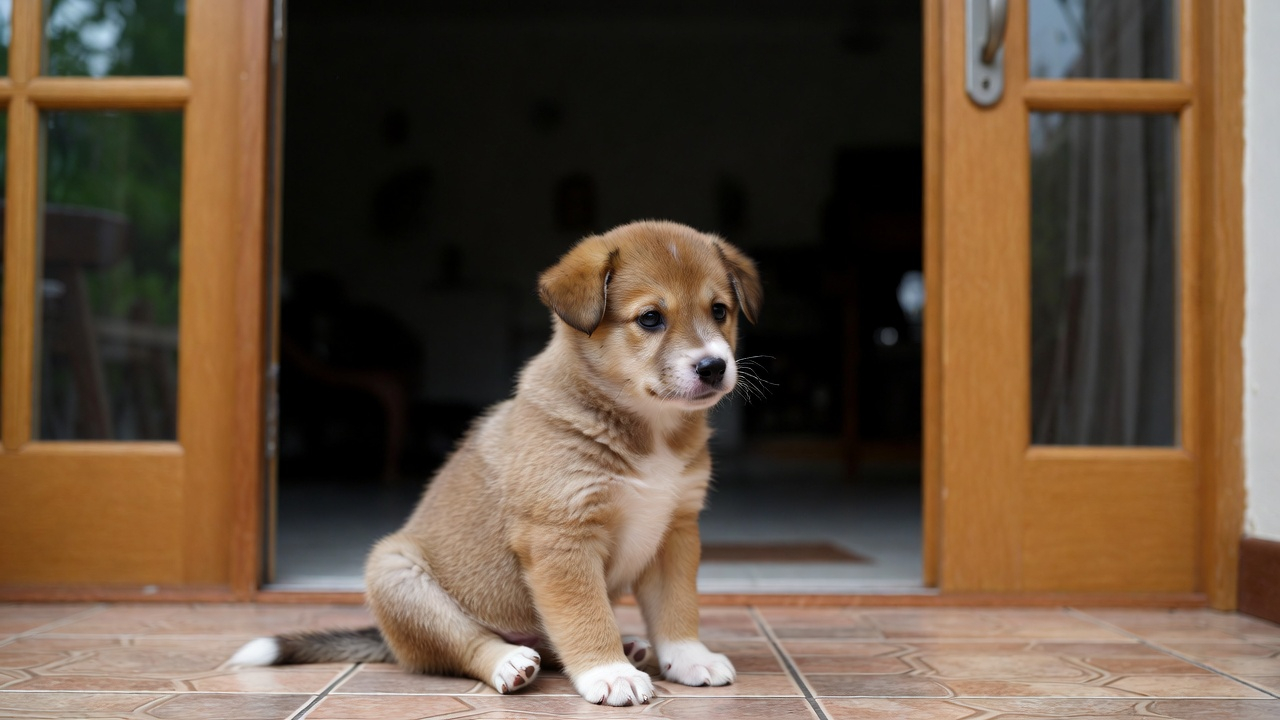
The first step in how to train a puppy to stay home alone is introducing very short separation periods.
Training method:
-
Leave the room for 10–20 seconds
-
Return calmly without excitement
-
Repeat several times daily
Gradually increase the time to a few minutes.
This teaches your puppy that you will always return.
Short absences build confidence.
Step 2: Create a Comfortable Safe Space
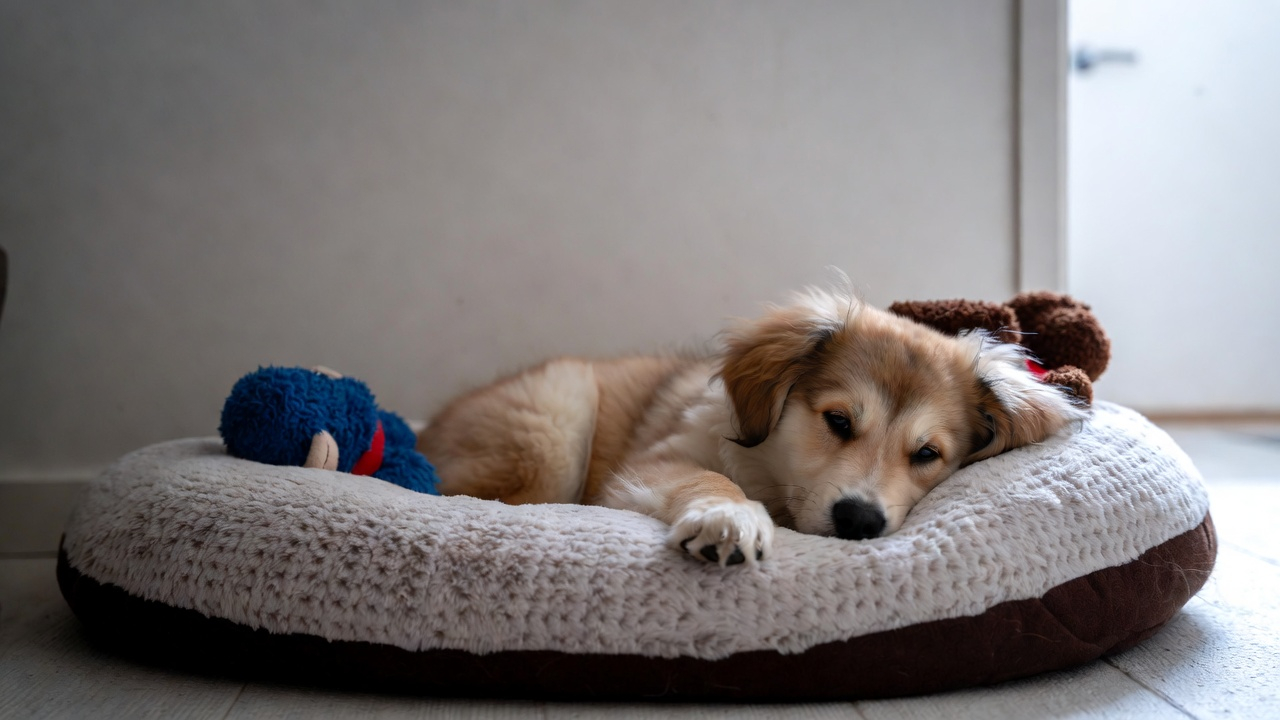
Puppies feel calmer when they have a safe resting area.
Create a comfortable space with:
• A dog bed or crate
• Favorite toys
• Soft blanket
• Access to water
This area should be quiet and relaxing.
When your puppy associates this space with comfort, staying alone becomes easier.
Step 3: Avoid Emotional Goodbyes
Many owners unintentionally increase anxiety by making departures dramatic.
Avoid:
• Long hugs
• Emotional voices
• Repeated goodbyes
Instead:
Leave calmly and quietly.
Your calm behavior tells your puppy that leaving the house is normal and temporary.
Step 4: Practice Independence Inside the House
Training independence inside the home helps puppies feel less dependent.
Practice exercises such as:
• Leaving the room briefly
• Allowing puppy to rest alone in another room
• Encouraging independent play
These exercises build confidence.
Gradual independence prevents separation anxiety.
Step 5: Provide Mental Stimulation Before Leaving
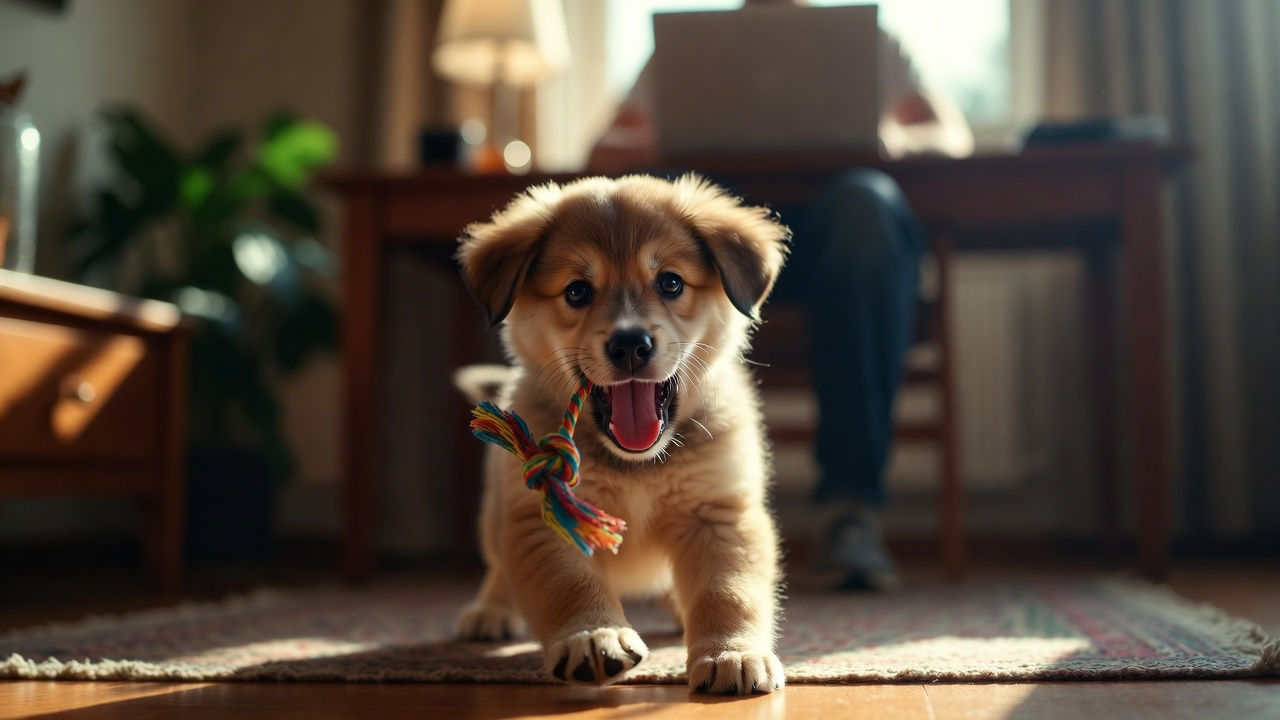
A tired puppy is more likely to relax when left alone.
Before leaving the house:
• Take your puppy for a walk
• Play fetch
• Do a short training session
Physical activity reduces excess energy and anxiety.
Mental stimulation also helps puppies settle down.
Step 6: Use Interactive Toys
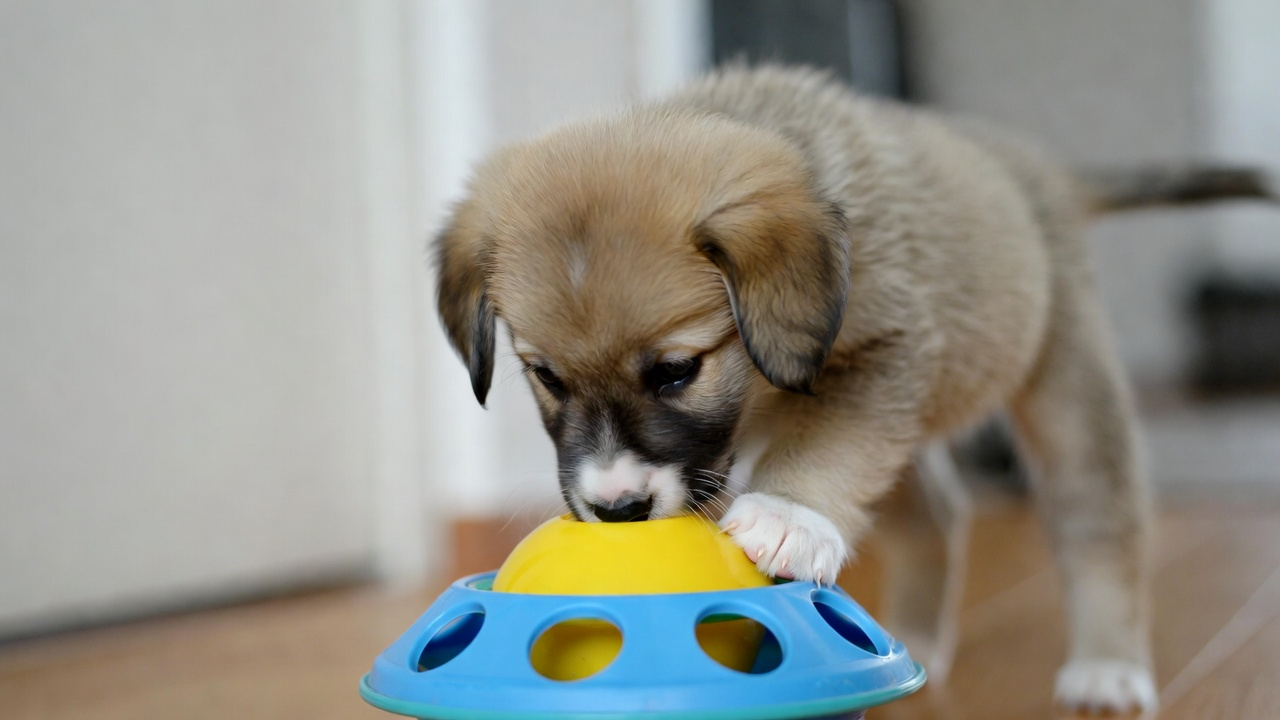
Interactive toys help keep puppies busy while alone.
Helpful toys include:
• Puzzle toys
• Treat-dispensing toys
• Chew toys
These toys provide mental stimulation and prevent boredom.
They also create positive associations with alone time.
Step 7: Gradually Increase Alone Time
Once your puppy becomes comfortable with short absences, increase the duration gradually.
Training progression might look like this:
• 5 minutes
• 10 minutes
• 20 minutes
• 30 minutes
Never jump directly to several hours.
Gradual increases help your puppy adjust comfortably.
Common Mistakes in Alone Training
Avoid these common mistakes.
• Leaving puppy alone too long too soon
• Punishing anxious behavior
• Making emotional departures
• Skipping exercise before leaving
• Ignoring gradual training
Patience and consistency produce the best results.
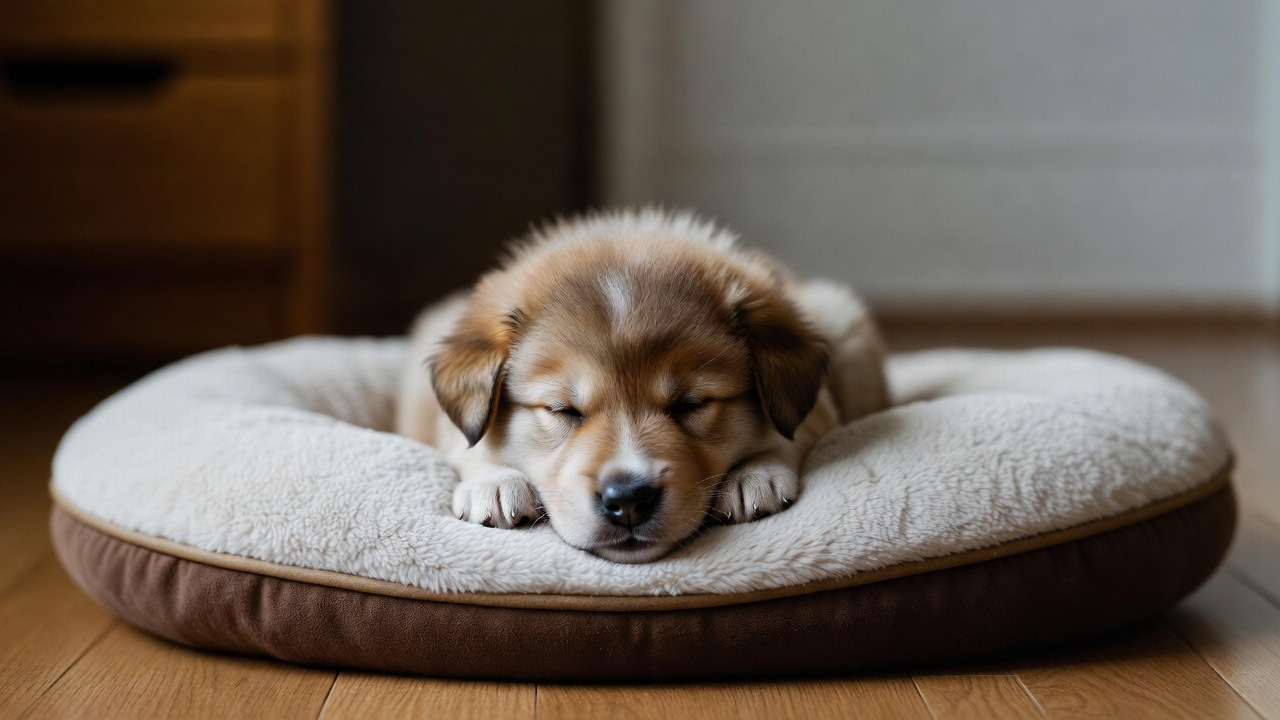
Signs Your Puppy Is Becoming Comfortable Alone
Positive signs include:
• Calm behavior when you leave
• Playing quietly with toys
• Sleeping during absence
• Less whining or barking
These signs indicate growing independence.
How Long Does Alone Training Take?
Most puppies show progress within:
3–5 days → basic comfort with short absences
2 weeks → reduced anxiety
4 weeks → reliable independence
Each puppy learns at a different pace.
Consistency is key.
Long-Term Independence Tips
To maintain healthy independence:
• Continue short alone sessions
• Provide regular exercise
• Maintain consistent routine
• Avoid sudden schedule changes
Structured routines help puppies feel secure.
Emotional Perspective: Puppies Need Reassurance
Being alone is a new experience for your puppy.
They are learning that your absence is temporary and that they are safe even when you are not nearby.
With patience and gentle training, puppies quickly develop independence.
Conclusion: Independence Can Be Taught
Learning how to train a puppy to stay home alone requires gradual training, patience, and positive reinforcement. By introducing short absences, providing a comfortable environment, and building independence step by step, you can help your puppy feel confident and relaxed when alone.
With consistent practice, your puppy will learn that being home alone is normal and safe.
Read More Dogs News

