
Introduction: Why Walking Beside You Is an Important Skill
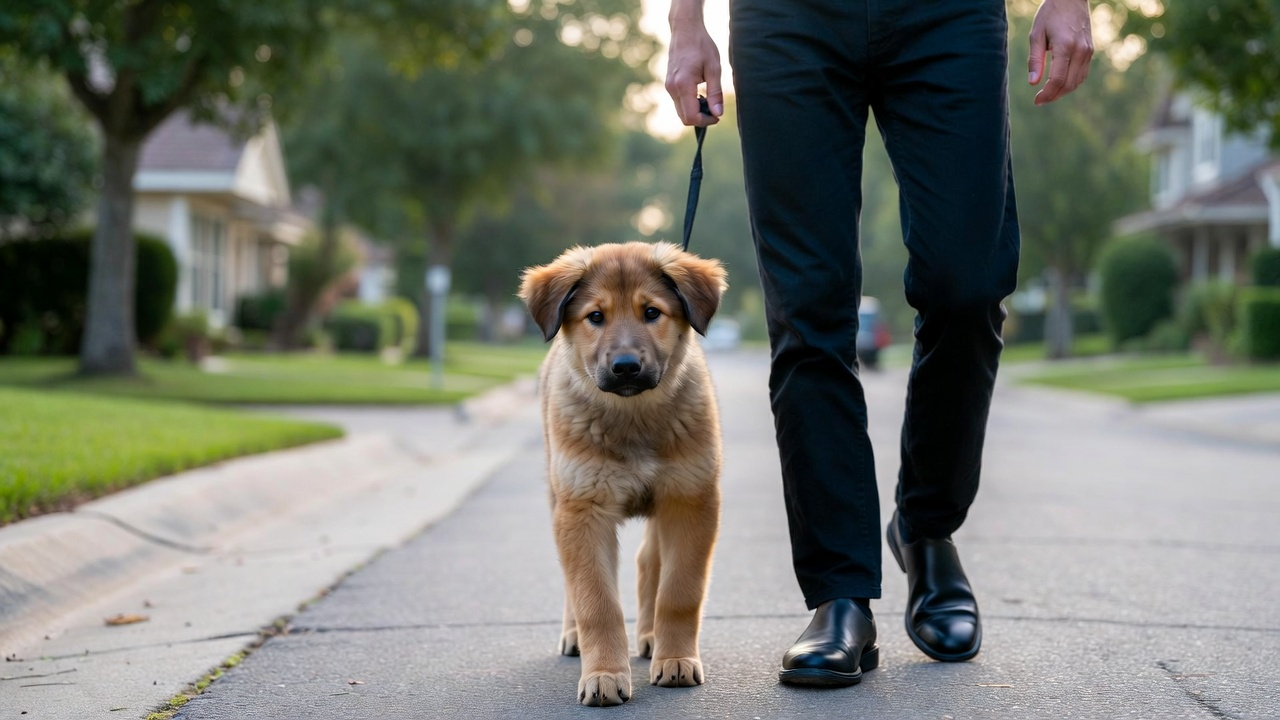
If you’re searching for how to train a puppy to walk beside you, you may be struggling with a puppy that constantly pulls on the leash, zigzags during walks, or tries to run ahead.
Loose leash walking is one of the most important skills a dog can learn. A puppy that walks calmly beside you is easier to control, safer around distractions, and much more enjoyable to take on walks.
Without proper training, many dogs develop strong pulling habits that become difficult to correct later.
The good news is that puppies can learn walking manners quickly when training begins early.
In this complete guide, you’ll learn step-by-step how to train a puppy to walk beside you using positive reinforcement and consistent techniques.
Why Puppies Pull Instead of Walking Beside You
Before correcting the behavior, it helps to understand why puppies pull.
Common reasons include:
• Natural curiosity
• Excitement about smells
• Lack of training
• Too much energy
• Fast walking pace from owner
Dogs move toward what interests them. When pulling moves them forward, the behavior becomes reinforced.
Training teaches that staying beside you brings rewards.
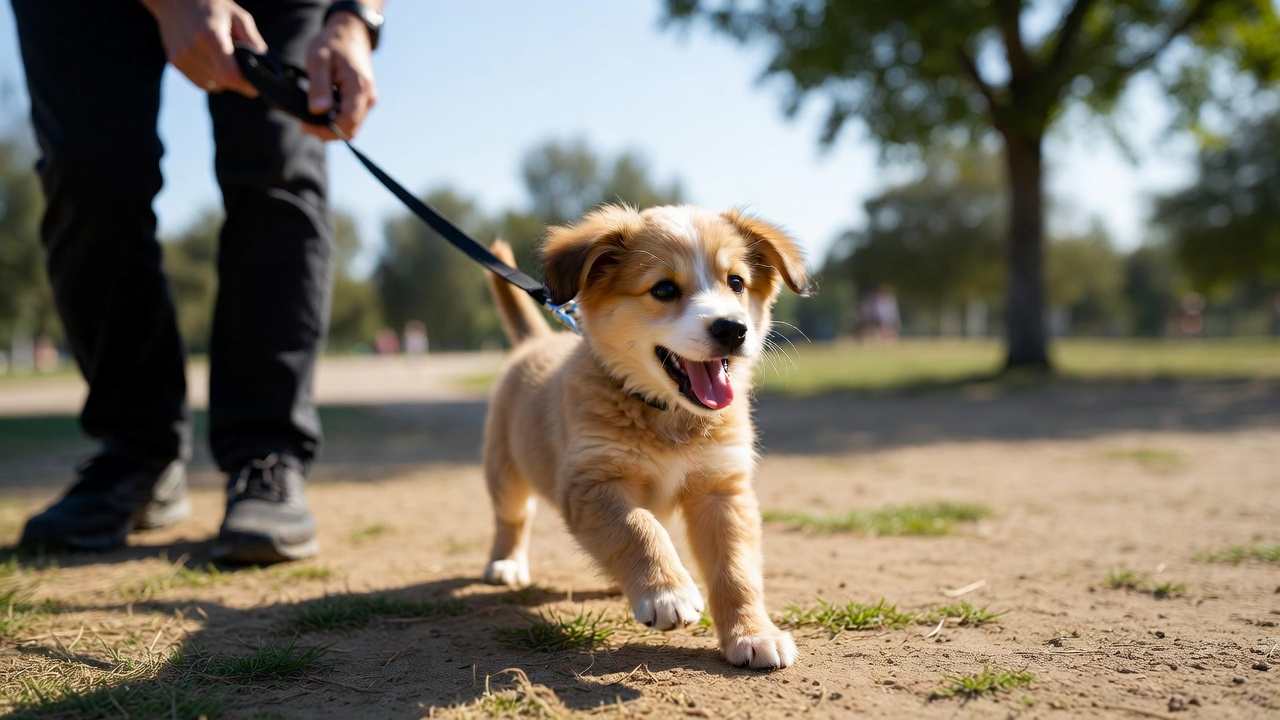
Step 1: Choose the Right Walking Equipment
The correct equipment makes training easier.
Recommended items include:
• Standard leash (4–6 feet)
• Comfortable harness or collar
• Small training treats
Avoid retractable leashes during training. They encourage pulling by allowing constant forward movement.
A fixed leash helps establish boundaries.
Step 2: Start Training Indoors First
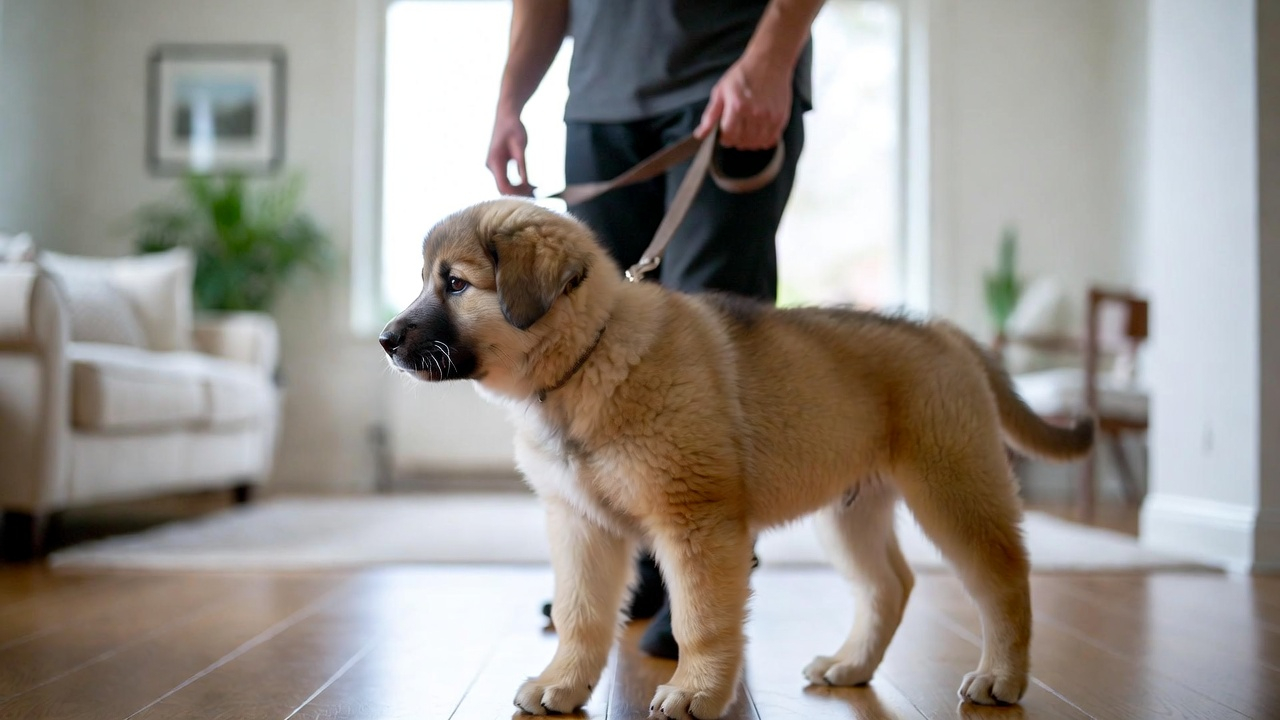
Before facing outdoor distractions, begin inside your home.
Training method:
-
Attach leash to puppy
-
Walk slowly across room
-
Reward puppy when staying beside you
-
Stop walking if puppy pulls
Practice for 5–10 minutes daily.
Indoor training builds foundation for outdoor success.
Step 3: Use the Stop-and-Wait Technique
This is one of the most effective leash training techniques.
When your puppy pulls:
• Stop walking immediately
• Stand still
• Wait until leash loosens
Only resume walking when the puppy returns beside you.
This teaches a simple rule:
Pulling = no movement.
Consistency makes this technique powerful.
Step 4: Reward the Correct Position
Dogs repeat behaviors that earn rewards.
When your puppy walks beside you calmly:
• Praise enthusiastically
• Offer a treat
• Continue walking
Reward frequently in early stages.
Gradually reduce treats once the behavior becomes consistent.
Step 5: Practice Direction Changes
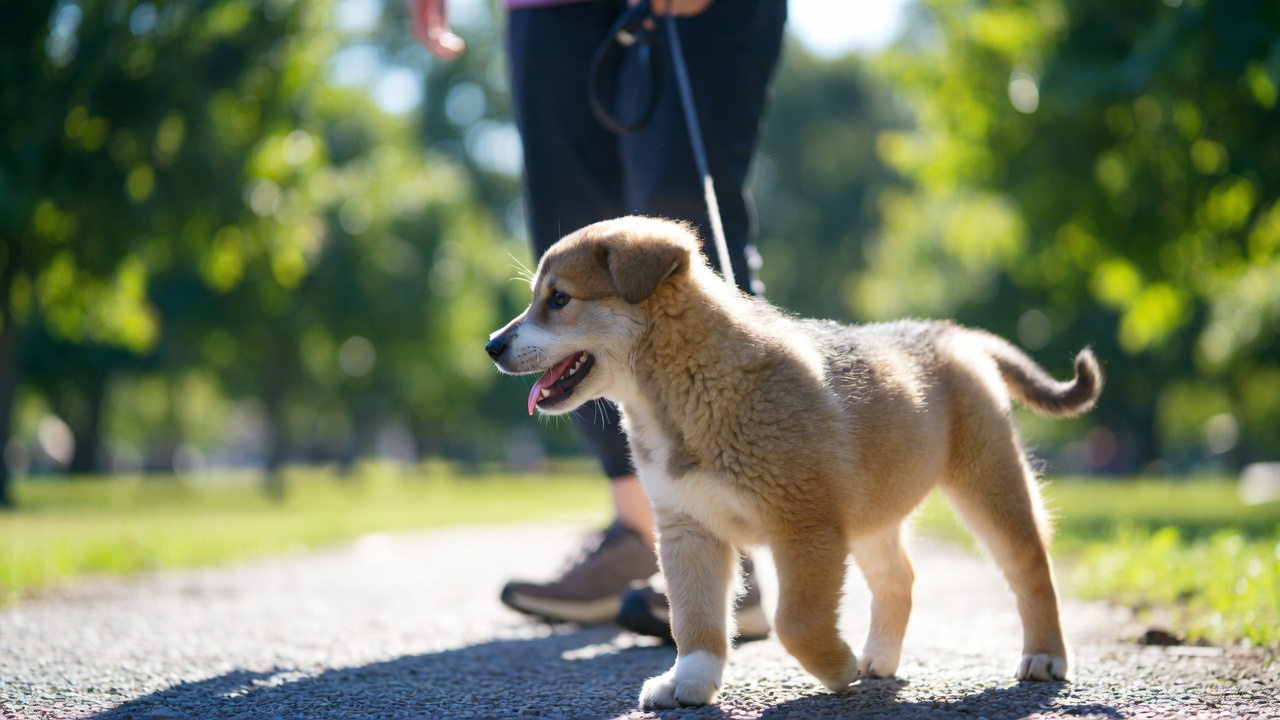
Direction changes help maintain your puppy’s attention.
During walks:
• Turn left
• Turn right
• Walk in circles
• Change pace occasionally
Your puppy learns to watch your movement closely.
This prevents pulling ahead.
Step 6: Keep Training Sessions Short
Young puppies have limited focus.
Ideal training sessions:
• 10–15 minutes
• Calm environment
• Frequent breaks
Short sessions prevent frustration and maintain enthusiasm.
Overtraining can cause distraction.
Step 7: Gradually Introduce Distractions
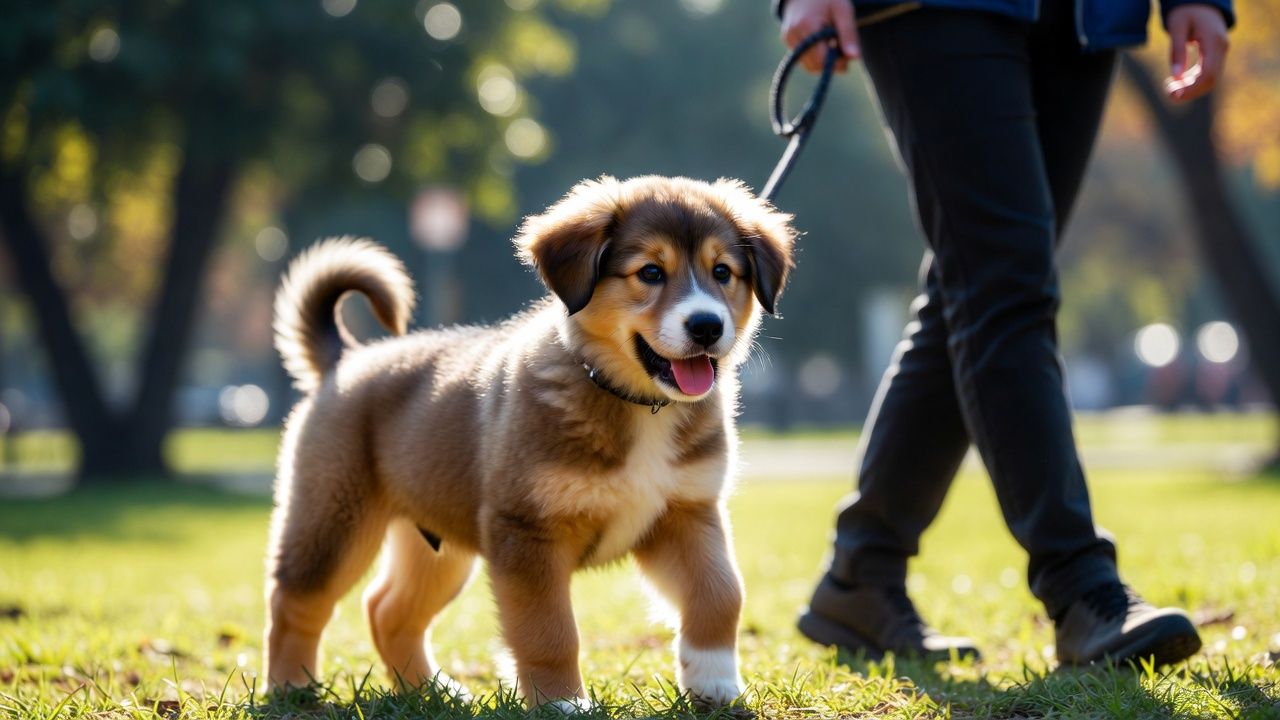
After indoor success, move outdoors.
Training progression:
-
Quiet backyard
-
Quiet street
-
Local park
-
Busier areas
If your puppy becomes distracted, reduce difficulty temporarily.
Gradual exposure builds reliability.
Common Mistakes in Leash Training
Avoid these errors:
• Pulling leash harshly
• Walking too fast
• Allowing pulling sometimes
• Training in busy areas too early
• Skipping rewards
Consistency determines success.
Mixed signals confuse puppies.
How Long Does Loose Leash Training Take?
Most puppies improve within:
3–7 days → Early improvement
2–3 weeks → Consistent walking
1–2 months → Reliable behavior
Every puppy learns at a different pace.
Patience and repetition are essential.
Tips for Maintaining Good Walking Habits
Even after success:
• Continue rewarding occasionally
• Practice in new environments
• Maintain routine walks
• Reinforce commands regularly
Walking manners improve with consistent practice.
When to Seek Professional Help
Consider professional training if:
• Pulling becomes aggressive
• Puppy refuses to walk
• Severe fear reactions occur
Most puppies respond well to simple positive training.
Emotional Perspective: Walking Is a Shared Experience
Walking together builds trust between dog and owner.
Training your puppy to walk beside you transforms daily walks into peaceful bonding moments.
A calm walk strengthens communication and confidence.
Conclusion: Calm Walks Start With Consistent Training
Learning how to train a puppy to walk beside you takes patience, structure, and positive reinforcement. By rewarding loose leash walking and preventing pulling habits early, you can create enjoyable and stress-free walks for both you and your puppy.
Consistency today leads to a lifetime of calm walks.
Read More Dogs News

