
Introduction: Why Puppy Separation Anxiety Training Is So Important
Puppy separation anxiety training is one of the most critical lessons for new dog owners. Many puppies cry, bark excessively, chew furniture, scratch doors, or even have accidents when left alone. This behavior is not stubbornness or disobedience — it is fear.
When a puppy leaves its mother and siblings, you become its entire world. Suddenly being alone can feel unsafe. Without proper training, this fear can grow into long-term anxiety issues that are difficult to fix later.
The good news is that separation anxiety is manageable. With structured training, gradual exposure, and patience, you can teach your puppy that being alone is safe — and that you always return.
This detailed guide will walk you step-by-step through puppy separation anxiety training, explaining exactly what to do, how long to do it, and what mistakes to avoid.
Understanding Why Puppies Develop Separation Anxiety
Before training, you must understand the root causes.
Common triggers include:
• Sudden change of environment
• Over-attachment to owner
• Lack of independence practice
• Long absences too early
• Negative past experiences
Puppies are naturally social animals. Being alone is not instinctive — it must be learned gradually.
When a puppy panics during your absence, stress hormones increase. Over time, this creates a pattern: “Owner leaves = fear.” Training must reverse this association.
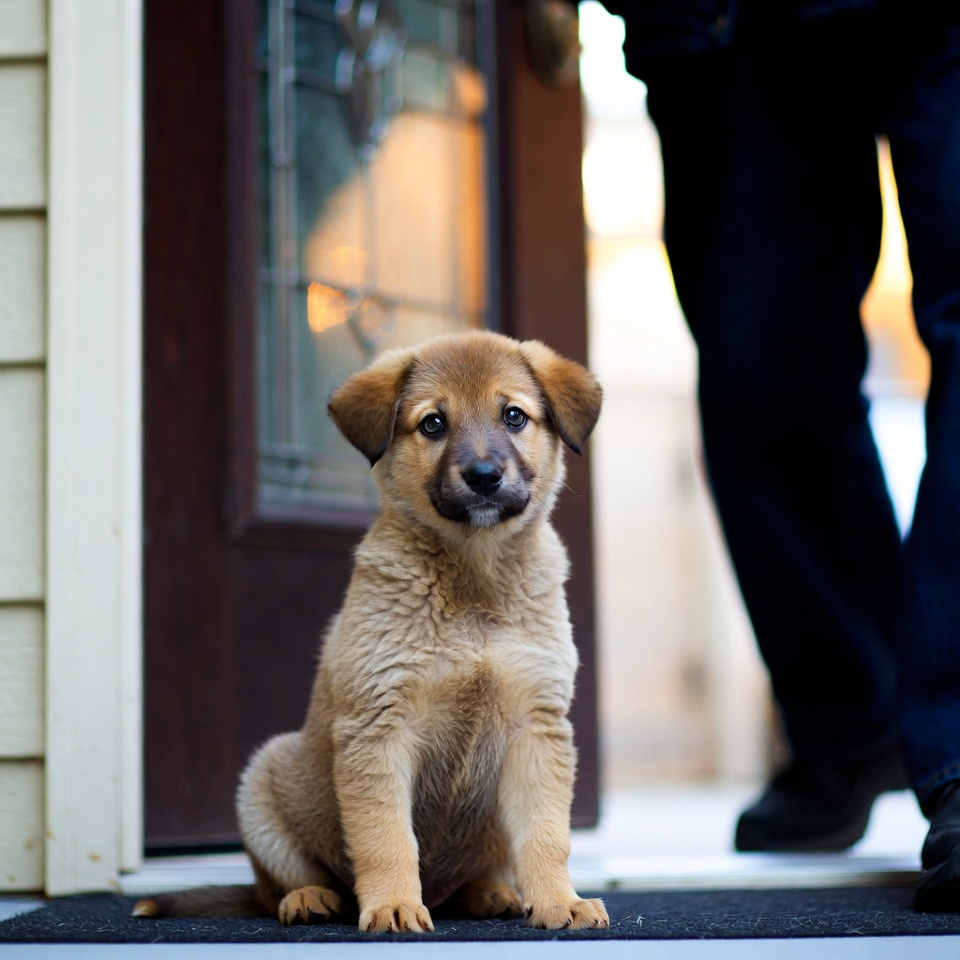
Step 1: Create a Safe and Predictable Environment
The foundation of puppy separation anxiety training is security.
Your puppy needs a designated safe space.
This can be:
• A crate (if properly introduced)
• A cozy dog bed in quiet corner
• A playpen area
This space should:
• Be calm
• Have soft bedding
• Include a safe chew toy
• Contain an item with your scent
Do NOT suddenly confine your puppy to this area for long hours.
First, allow your puppy to explore the space freely. Reward calm behavior inside the area. The goal is to create positive associations.
Repeat daily until your puppy voluntarily rests there.
Security reduces fear dramatically.
Step 2: Start With Micro-Absences (The Most Important Phase)
This step determines success or failure.
Instead of leaving for 30 minutes immediately, begin with seconds.
Training plan:
Day 1–2: Leave room for 10–20 seconds
Day 3–4: Increase to 1 minute
Day 5–7: Increase to 3–5 minutes
When leaving:
• Stay calm
• Do not say dramatic goodbye
• Walk out casually
When returning:
• Remain neutral
• Wait for calm behavior before greeting
This teaches your puppy:
“Owner leaves → Nothing scary happens → Owner returns.”
Gradual exposure rewires fear into confidence.
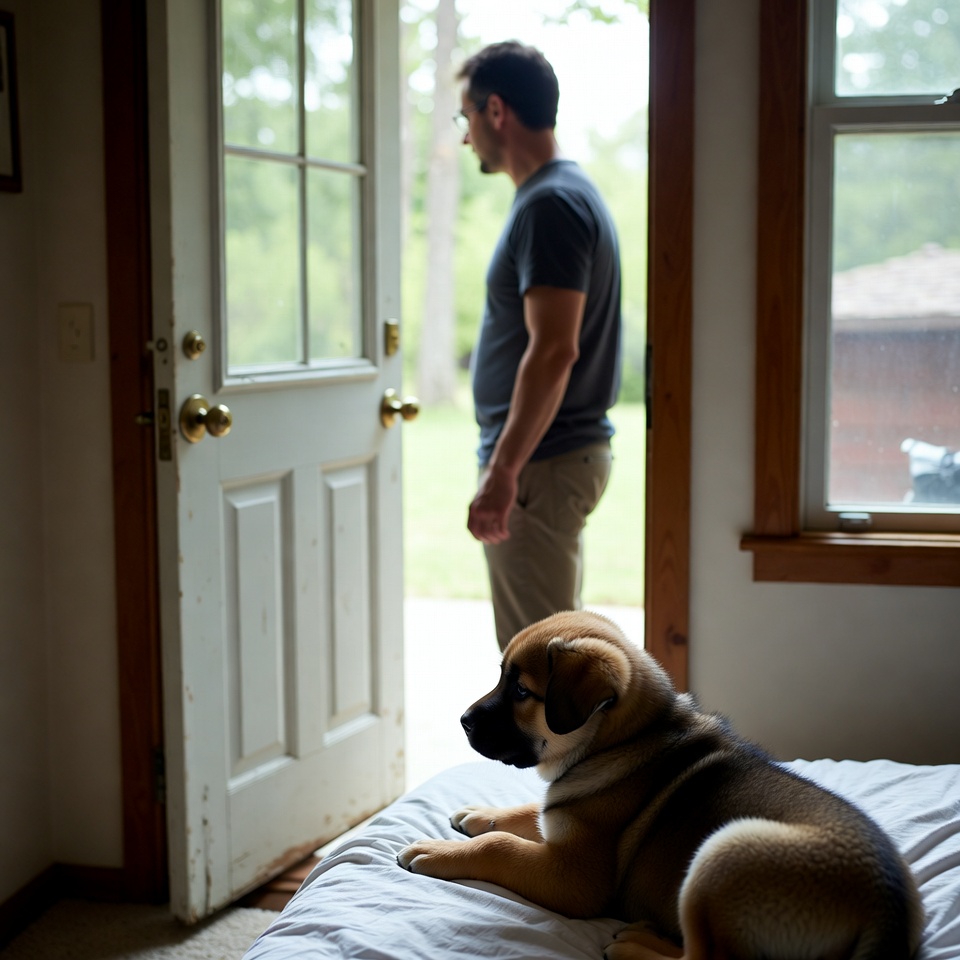
Step 3: Desensitize Departure Triggers
Puppies quickly associate certain actions with leaving.
Common triggers:
• Picking up keys
• Wearing shoes
• Putting on jacket
• Opening door
If these actions cause panic, you must desensitize them.
Training method:
-
Pick up keys
-
Do NOT leave
-
Sit back down
-
Repeat daily
Do the same with shoes and jackets.
Eventually, these actions lose emotional meaning.
This step is extremely powerful in puppy separation anxiety training.
Step 4: Provide Pre-Departure Mental Stimulation
An anxious puppy with extra energy struggles more.
Before leaving:
• Take a short walk
• Practice basic commands
• Play fetch for 10 minutes
• Use puzzle feeders
Mental stimulation tires the brain. A tired brain is less reactive.
After exercise, allow a calm cool-down period before leaving.
Never leave during peak excitement.
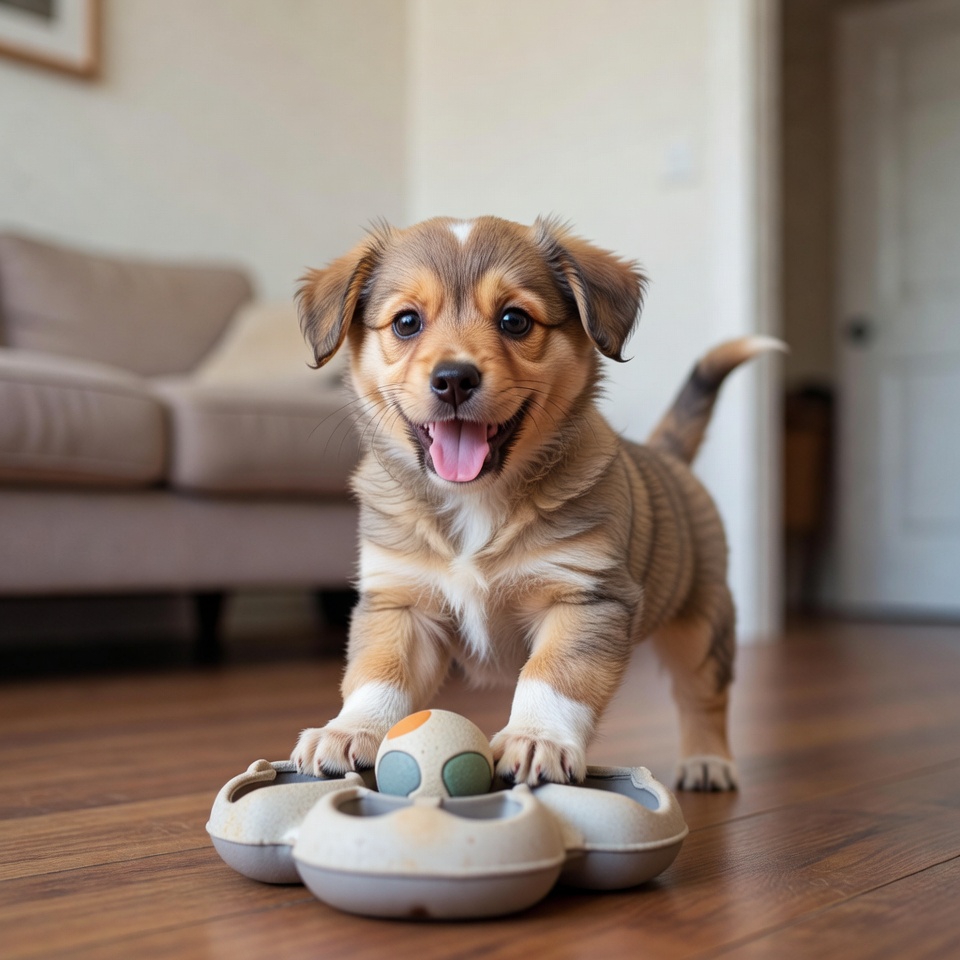
Step 5: Teach Calm Independence Inside the Home
Many owners make the mistake of constant attachment.
If your puppy follows you everywhere, independence must be practiced.
Start with:
• Closing bathroom door briefly
• Leaving puppy in one room while you’re in another
• Ignoring attention-seeking behavior
Reward calm independence.
This teaches self-soothing skills.
Independence should become normal, not scary.
Step 6: Use Controlled Alone-Time Practice Sessions
Once short absences are successful, increase gradually.
Example progression:
Week 2: 10 minutes
Week 3: 20 minutes
Week 4: 30–45 minutes
Never jump from 5 minutes to 2 hours suddenly.
If anxiety reappears, reduce time slightly and progress slower.
Consistency builds trust.
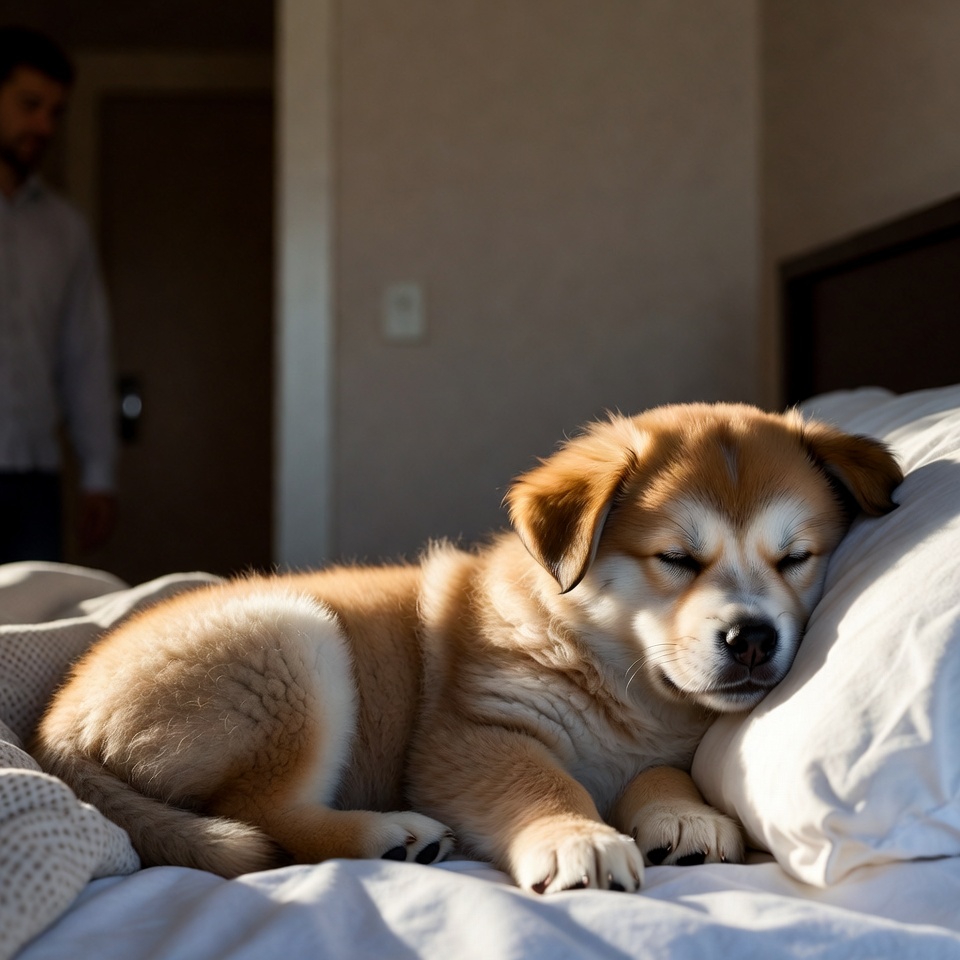
Step 7: Avoid Common Training Mistakes
Many well-meaning owners worsen anxiety unknowingly.
Avoid:
• Punishing destructive behavior
• Returning home during barking (rewards noise)
• Long absences too early
• Emotional greetings
• Inconsistent routines
Punishment increases fear.
Reward calmness only.
Step 8: Recognize Progress Signs
You will know training is working when:
• Crying duration decreases
• Puppy relaxes faster
• No destructive chewing
• Calm posture when alone
Progress may be slow but steady.
Even small improvements matter.
Step 9: When Separation Anxiety Is Severe
Seek professional help if:
• Puppy injures itself
• Panic lasts over 30 minutes
• Destruction is extreme
• Vomiting or excessive drooling occurs
Severe anxiety may require trainer guidance.
Early action prevents long-term trauma.
Long-Term Maintenance Plan
Even after improvement:
• Continue short alone sessions
• Maintain routine
• Provide daily exercise
• Avoid sudden schedule changes
Separation confidence must be maintained.
Dogs thrive on predictability.
Realistic Timeline for Puppy Separation Anxiety Training
Mild anxiety: 2–3 weeks
Moderate anxiety: 4–6 weeks
Severe anxiety: 2+ months
Patience is critical.
Progress is not always linear.
Emotional Bond Without Over-Dependency
Healthy bonding means:
• Loving interaction
• Clear boundaries
• Encouraging independence
Your puppy should feel safe — not dependent.
Confidence is the ultimate goal.
Conclusion: Calm Confidence Is Achievable
Puppy separation anxiety training requires patience, structure, and gradual exposure. When you replace fear with predictable experiences, your puppy learns that being alone is safe.
Remember:
Your puppy is not misbehaving — they are scared.
With consistent guidance, fear transforms into confidence, and your home becomes calm and peaceful.
Read More Dogs News

