
Introduction: How to Stop Dog Barking at Night Fast
Learning how to stop dog barking at night fast is one of the biggest challenges for new dog owners. Night barking can be stressful, exhausting, and frustrating — especially when it disrupts your sleep and disturbs neighbors.
Many owners worry that something is wrong with their puppy. However, night barking is usually normal behavior caused by fear, loneliness, boredom, or lack of routine.
The good news is that you can fix this problem quickly using gentle training methods. By understanding the real causes and applying the right solutions, you can help your dog sleep peacefully through the night.
This complete guide will show you exactly how to stop dog barking at night fast using proven, beginner-friendly techniques.
Why Dogs Bark More at Night
Before solving the issue, it is important to understand why dogs bark at night.
Common causes include:
• Separation anxiety
• Fear of darkness or sounds
• Lack of exercise
• Hunger or discomfort
• Poor sleep routine
Dogs bark because they are trying to communicate. Identifying the reason helps you choose the correct solution.
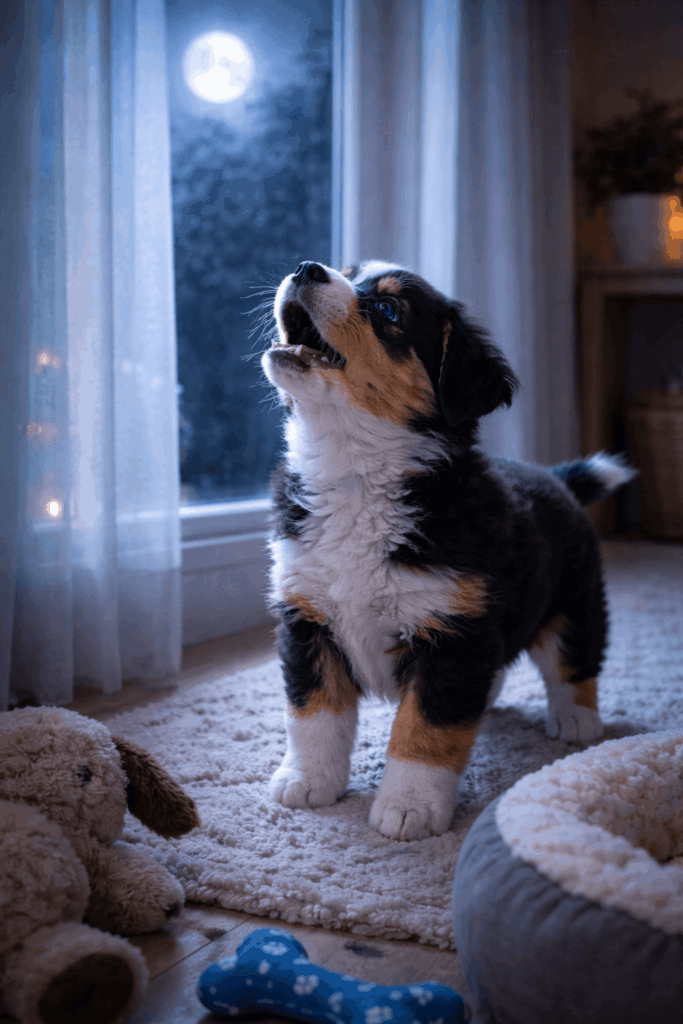
7 Proven Ways to Stop Dog Barking at Night Fast
1. Create a Consistent Night Routine
Dogs feel safe when they follow predictable patterns.
Establish a nightly routine:
• Final walk before bedtime
• Calm playtime
• Last potty break
• Quiet sleeping environment
Routine signals to your dog that it is time to rest.
Consistency reduces night barking quickly.
2. Provide Enough Daytime Exercise
Dogs often bark at night due to excess energy.
Ensure your dog gets:
• Daily walks
• Play sessions
• Mental stimulation
A tired dog sleeps better and barks less.

3. Reduce Separation Anxiety
Many puppies bark because they feel lonely.
To fix this:
• Keep sleeping area near you initially
• Use a comfort toy
• Gradually increase distance
This builds confidence and reduces anxiety.
4. Avoid Rewarding Barking Behavior
Many owners accidentally reinforce barking.
Never:
• Shout back
• Give attention
• Offer treats during barking
Ignore unwanted barking calmly.
Reward quiet behavior instead.

5. Use White Noise or Calming Sounds
External noises can trigger barking.
Using white noise or soft music helps:
• Mask outside sounds
• Create calming atmosphere
• Reduce alertness
Many dogs respond positively to soothing sounds.
6. Ensure Comfortable Sleeping Conditions
Uncomfortable environments cause restlessness.
Check:
• Temperature
• Bedding comfort
• Lighting level
• Noise levels
Comfortable dogs sleep longer and bark less.

7. Train the “Quiet” Command
Teaching a quiet command is highly effective.
Steps:
-
Allow brief barking
-
Say “Quiet” calmly
-
Reward silence immediately
This teaches dogs to control barking.
Common Mistakes That Make Night Barking Worse
Avoid these errors:
• Punishing barking
• Inconsistent routines
• Ignoring exercise needs
• Changing sleeping location often
Consistency is the key to success.

How Long Does It Take to Stop Night Barking?
Results vary depending on consistency.
Typical timeline:
3–5 days: Noticeable improvement
1–2 weeks: Strong habit change
1 month: Stable night routine
Patience and consistency speed up results.
When Night Barking May Be a Medical Issue
In rare cases, barking may indicate:
• Pain or illness
• Digestive problems
• Anxiety disorders
Consult a vet if barking seems unusual.
Benefits of Fixing Night Barking Early
Solving this issue leads to:
• Better sleep for owner and dog
• Reduced stress
• Improved behavior
• Stronger bond
Early training prevents long-term problems.
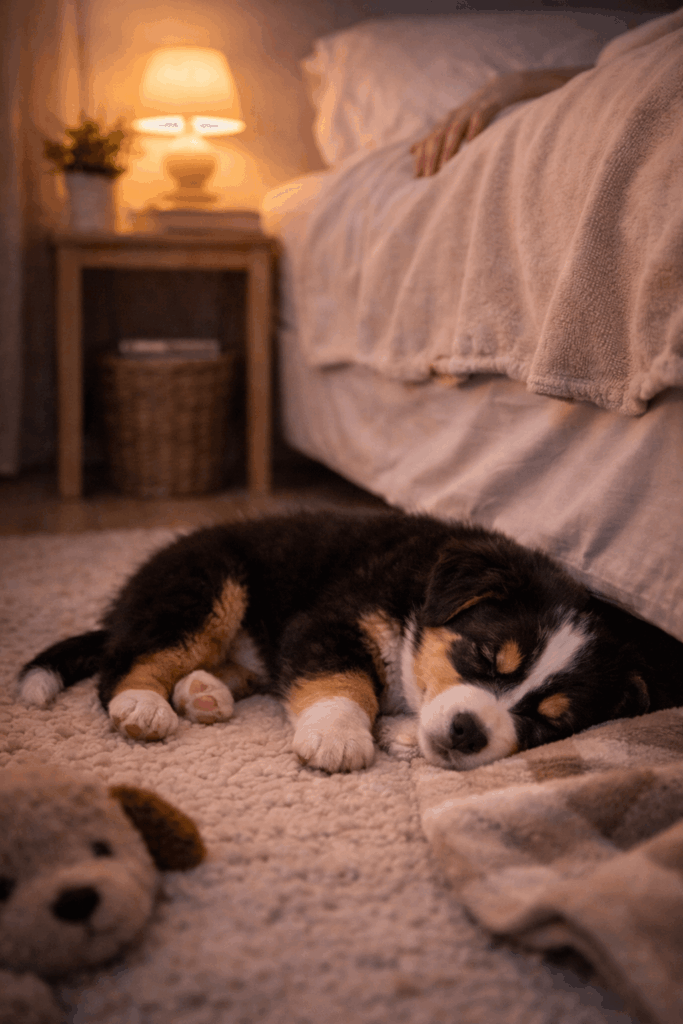
Conclusion: Peaceful Nights Are Possible
Learning how to stop dog barking at night fast requires patience, consistency, and understanding your dog’s needs. By creating a calm routine, reducing anxiety, and rewarding quiet behavior, you can help your dog sleep peacefully.
Remember, barking is communication — not disobedience.
With proper guidance, your dog will soon enjoy restful nights, and so will you.
Read More Dogs News

