
Introduction: Why Puppies Jump and How to Fix It
If you’re searching for how to stop a puppy from jumping on people, you’re likely dealing with muddy paws, scratched clothes, and overly excited greetings.
Puppies jump because they are happy.
They jump to:
• Get attention
• Say hello
• Show excitement
• Reach your face
• Release energy
Jumping is natural — but it must be controlled early. If ignored, a small jumping puppy becomes a large jumping dog.
The good news? You can teach polite greetings using simple, consistent training techniques.
This complete guide will walk you step-by-step through exactly how to stop a puppy from jumping on people using positive and beginner-friendly methods.
Why Jumping Behavior Gets Worse Over Time
Most owners accidentally reinforce jumping.
For example:
• Petting the puppy while it jumps
• Talking excitedly
• Laughing at the behavior
• Pushing the puppy away
Even negative attention feels like reward.
Dogs repeat behaviors that get reactions.
To stop jumping, you must remove the reward.
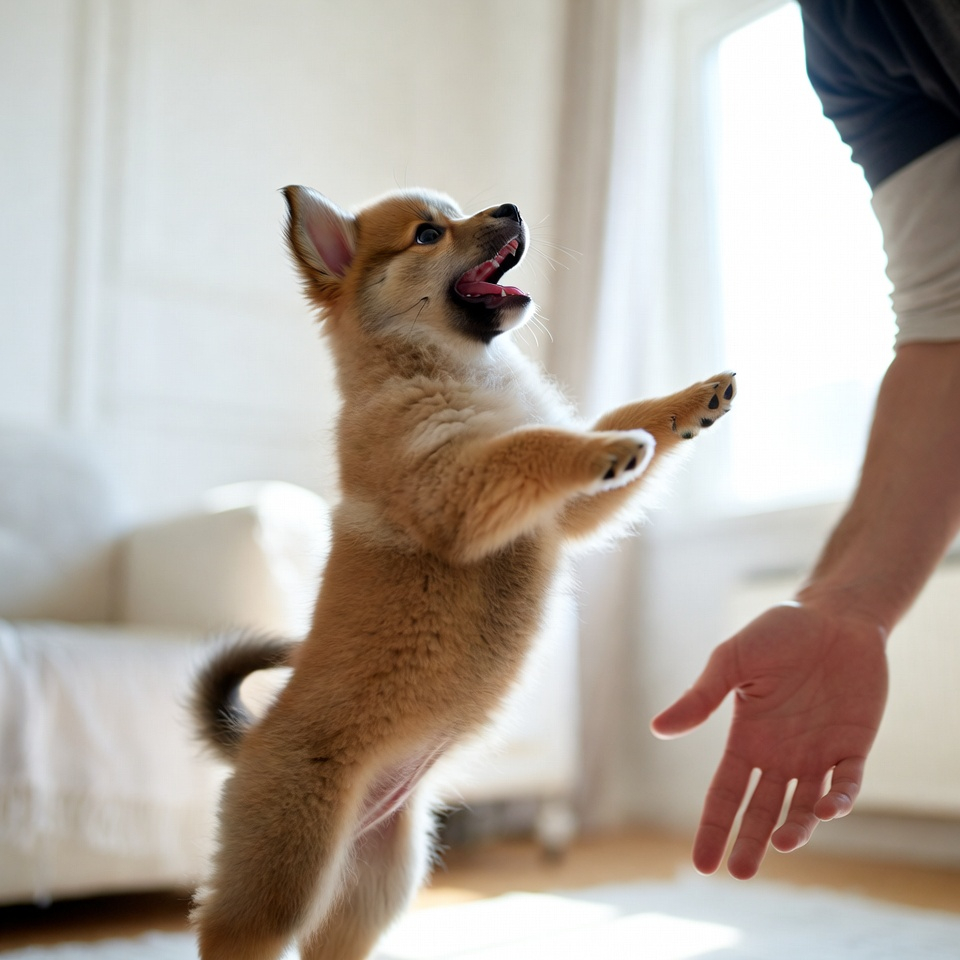
Step 1: Completely Ignore Jumping
The first and most powerful rule:
No attention for jumping.
When your puppy jumps:
• Turn your back
• Fold your arms
• Avoid eye contact
• Stay silent
Wait until all four paws touch the ground.
Only then give attention.
Consistency is critical.
Even one reward resets training progress.
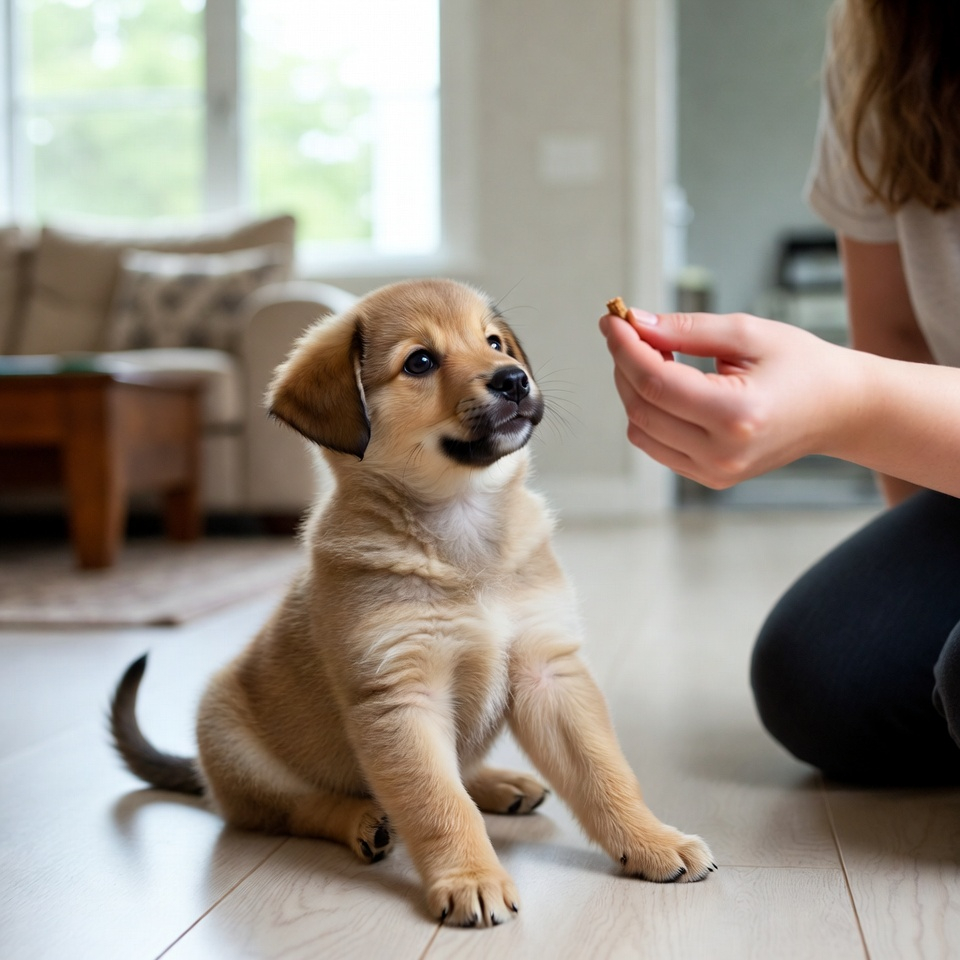
Step 2: Teach an Alternative Behavior (Sit to Greet)
Instead of just stopping jumping, teach what TO do.
Train your puppy to sit before greeting.
Training process:
-
Ask for “Sit”
-
Reward immediately
-
Pet only while sitting
-
Stop attention if puppy stands
Soon your puppy learns:
“Sitting gets attention. Jumping does not.”
Step 3: Practice Controlled Greetings Daily
Training only works with repetition.
Ask family members to help.
Exercise:
• Knock on door
• Enter calmly
• Wait for puppy to sit
• Reward calm behavior
Practice multiple times per day.
Controlled exposure builds habit faster.
Step 4: Manage Excitement Before It Starts
Many jumping episodes happen during high excitement.
Before visitors arrive:
• Give short walk
• Play fetch
• Practice commands
A slightly tired puppy is easier to control.
Energy management prevents jumping.
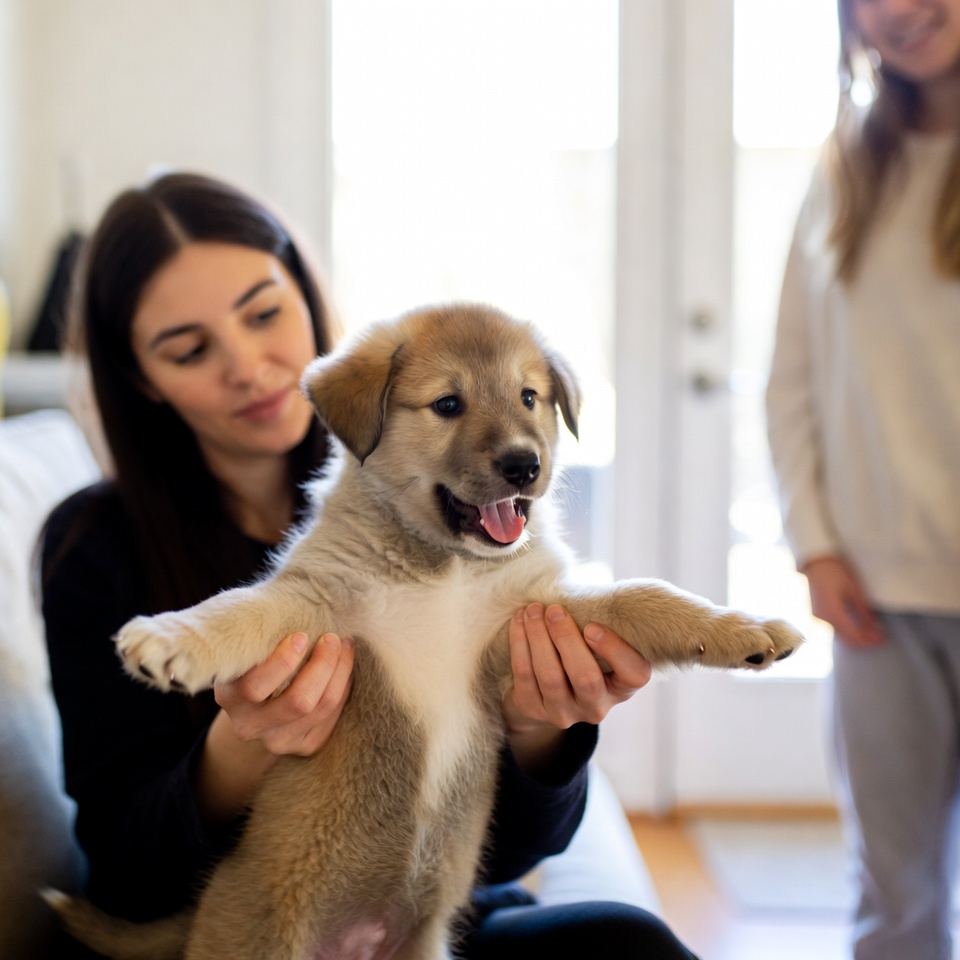
Step 5: Use Leash for Training Support
If your puppy becomes uncontrollable:
• Keep leash attached indoors
• Step on leash gently
• Prevent upward jump
Do NOT yank harshly.
Leash control is temporary training support.
Step 6: Teach the “Off” Command
Once your puppy understands basics, add verbal cue.
When jumping begins:
• Say “Off” calmly
• Turn away
• Reward calm stance
Consistency builds association.
Use calm tone — not shouting.
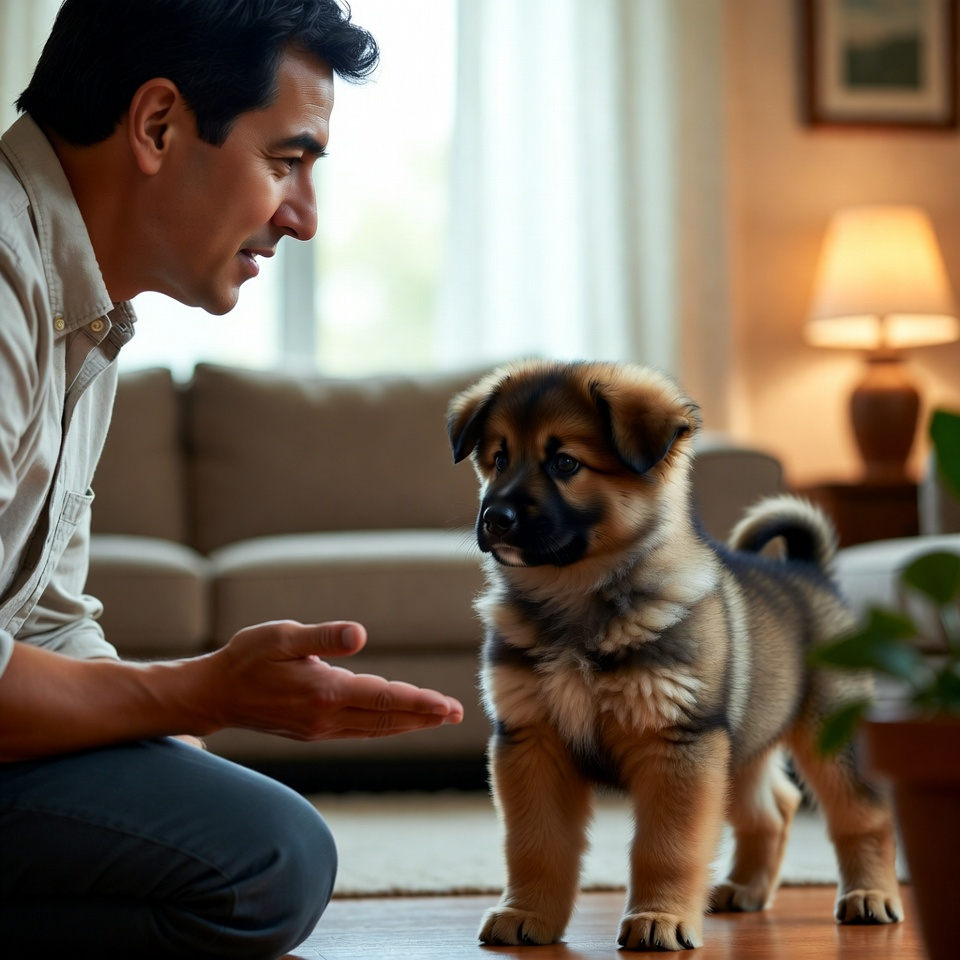
Step 7: Train Visitors Properly
Visitors often undo training.
Tell guests:
• Do not pet jumping puppy
• Ignore until calm
• Reward sitting behavior
If guests reward jumping, progress slows.
Clear communication prevents confusion.
Common Mistakes That Make Jumping Worse
Avoid these:
• Kneeing puppy in chest
• Yelling
• Pushing repeatedly
• Allowing jumping sometimes
• Inconsistent reactions
Punishment increases excitement or fear.
Positive consistency works better.
How Long Does It Take to Stop Jumping?
Typical timeline:
3–5 days → Slight improvement
2 weeks → Noticeable reduction
1 month → Reliable polite greeting
Age and consistency affect speed.
Younger puppies learn faster.
Why Positive Reinforcement Works Best
Dogs learn through association.
Jumping rewarded → Repeated
Sitting rewarded → Repeated
Simple rule:
Reward what you want. Ignore what you don’t.
Clarity builds discipline.
When Jumping May Be Linked to Anxiety
If jumping includes:
• Excessive barking
• Fear signals
• Growling
Consult trainer for deeper behavioral assessment.
Most cases are simple excitement.
Long-Term Maintenance Strategy
After improvement:
• Continue rewarding calm greetings
• Practice with new environments
• Maintain daily structure
• Reinforce commands regularly
Training is ongoing.
Consistency builds lifetime manners.
Emotional Perspective: Your Puppy Loves You
Remember:
Jumping is affection — not disrespect.
Your puppy is excited to see you.
With guidance, you can turn chaotic greetings into polite ones.
Conclusion: Polite Greetings Are Achievable
Learning how to stop a puppy from jumping on people requires patience, consistency, and positive reinforcement. By ignoring jumping and rewarding calm behavior, you teach your puppy the right way to greet others.
With daily practice, your puppy will transform from a jumping bundle of energy into a polite and confident companion.
For calmer greetings everywhere, practice polite greetings with guests, set clear couch jumping rules at home, build a solid sit for greetings, and use stay training for self-control.
Stopping Jumping on Guests: Visitor-Specific Training
Guests trigger the worst jumping because arrivals are exciting — the doorbell rings, new people walk in, and your puppy loses his mind. Here’s how to train specifically for visitor scenarios:
- Practice with controlled visito Ask a friend to help: they knock, you ask your puppy to sit, and the guest only enters when all four paws stay on the floor. Reward the calm greeting immediately. A few short practice sessions teach faster than ten real chaotic arrivals.r sessions.
- Keep a leash near the door. During real guest arrivals, clip the leash on before you open the door. It lets you calmly prevent the jump without yelling or grabbing — a temporary training tool, not a punishment.
- Brief your guests. Tell visitors the rule before they arrive: ignore the puppy if he jumps, give attention only when he sits. One excited guest who rewards jumping can undo a week of training.
- Exercise before guests arrive A 15-minute play or walk session before visitors come takes the edge off excitement and makes calm greetings much easier to achieve..
Frequently Asked Questions
Why does my puppy jump on everyone it meets?
Puppies jump from excitement, and it works — people respond with attention, petting or laughter. Until calm behaviour gets rewarded instead, jumping stays their favourite greeting.
How do I stop my puppy jumping on strangers during walks?
Keep the leash short, ask for a sit before anyone approaches, and reward four paws on the floor. If your puppy jumps, calmly walk away and try again.
Should I turn my back when my puppy jumps?
Yes — turning away removes the reward instantly. The moment your puppy stands calmly or sits, turn back and reward, so calmness becomes the behaviour that pays.
How long until my puppy stops jumping on people?
Most puppies understand the new rule within a week, with reliable polite greetings in 3–4 weeks of consistent practice.

