
Introduction: Why Puppy Socialization Is So Important
If you’re searching for how to socialize a puppy properly, you are already taking an important step toward raising a confident and well-behaved dog. Socialization is one of the most critical parts of early puppy training.
During the first few months of life, puppies are highly impressionable. Experiences they have during this time shape their behavior for years to come. Proper socialization helps puppies feel comfortable around people, animals, sounds, and new environments.
Without socialization, puppies may grow into dogs that are fearful, anxious, or reactive. This can lead to problems such as excessive barking, aggression, or separation anxiety.
The good news is that socialization does not require complicated techniques. With consistent exposure to positive experiences, your puppy can develop confidence and emotional balance.
This guide will explain exactly how to socialize a puppy properly using simple, effective training steps that every dog owner can follow.
When to Start Socializing Your Puppy
The ideal time for socialization is between 8 and 16 weeks of age. This period is often called the puppy socialization window.
During this stage, puppies are naturally curious and more open to new experiences. Positive interactions during this time help prevent fear later in life.
However, socialization can still continue after this period. Even older puppies benefit from gradual exposure to new environments.
The key is always keeping experiences positive and safe.
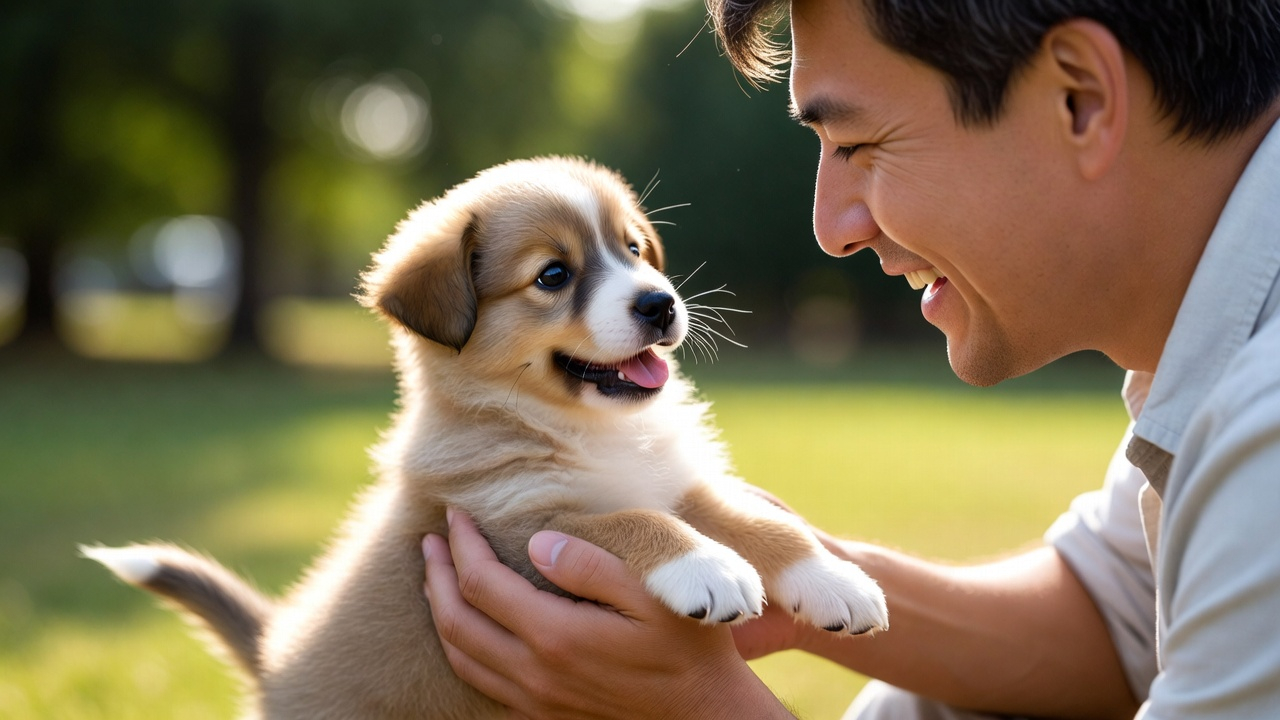
Step 1: Introduce Your Puppy to Different People
One of the first steps in how to socialize a puppy properly is helping them become comfortable around different types of people.
Introduce your puppy to:
• Adults
• Children
• Elderly people
• People wearing hats
• People with glasses
Each interaction should be calm and positive.
Encourage visitors to offer treats or gentle petting. This helps the puppy associate people with good experiences.
Avoid overwhelming your puppy with too many new people at once.
Step 2: Expose Your Puppy to New Environments
Puppies should experience a variety of environments so they become adaptable.
Examples include:
• Parks
• Sidewalks
• Pet-friendly stores
• Outdoor cafés
• Car rides
Each new environment introduces different sounds, smells, and sights.
Keep visits short at first. Gradually increase exposure as your puppy becomes comfortable.
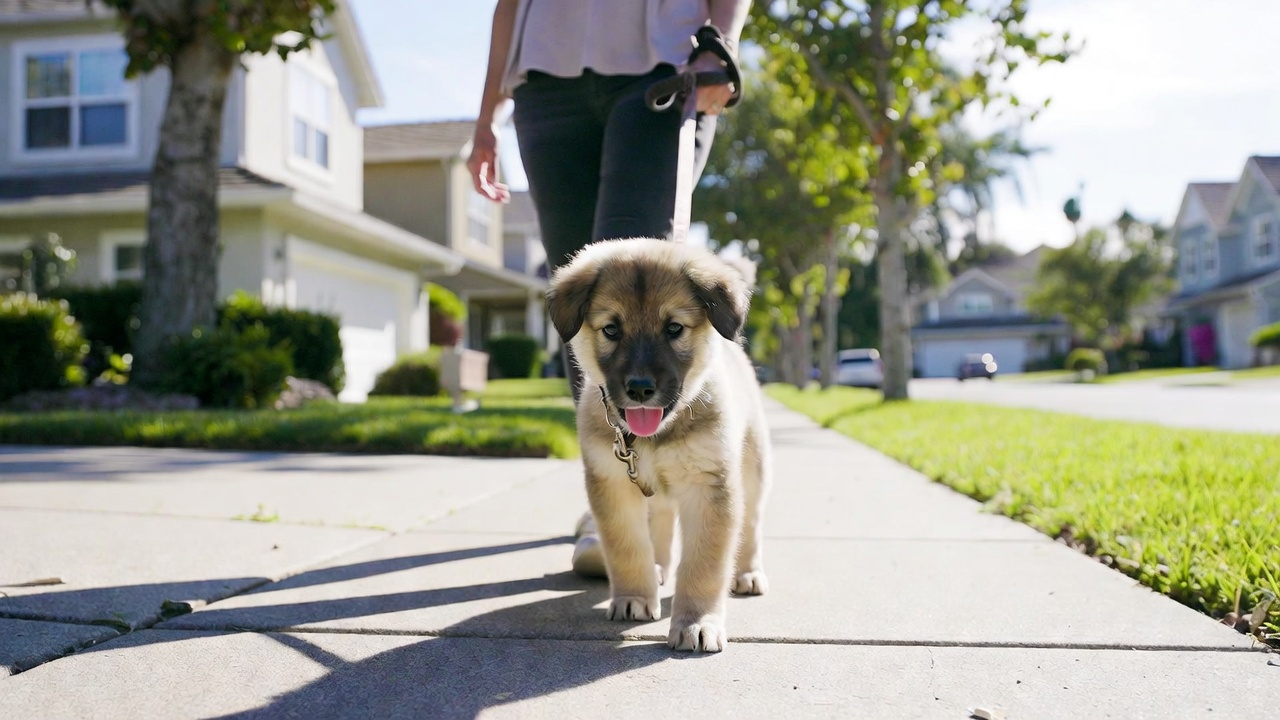
Step 3: Introduce Your Puppy to Other Dogs Safely
Meeting other dogs is an important part of socialization.
Choose dogs that are:
• Friendly
• Vaccinated
• Calm around puppies
Controlled play sessions help puppies learn proper dog communication.
Watch body language carefully. If your puppy appears scared or overwhelmed, give them space.
Positive dog interactions build social confidence.
Step 4: Introduce Everyday Sounds
Many puppies develop fear because they are unfamiliar with certain sounds.
Expose your puppy gradually to:
• Vacuum cleaners
• Doorbells
• Traffic sounds
• Household appliances
• Thunder recordings
Start at low volume and increase gradually.
Reward calm reactions.
This helps prevent noise anxiety.
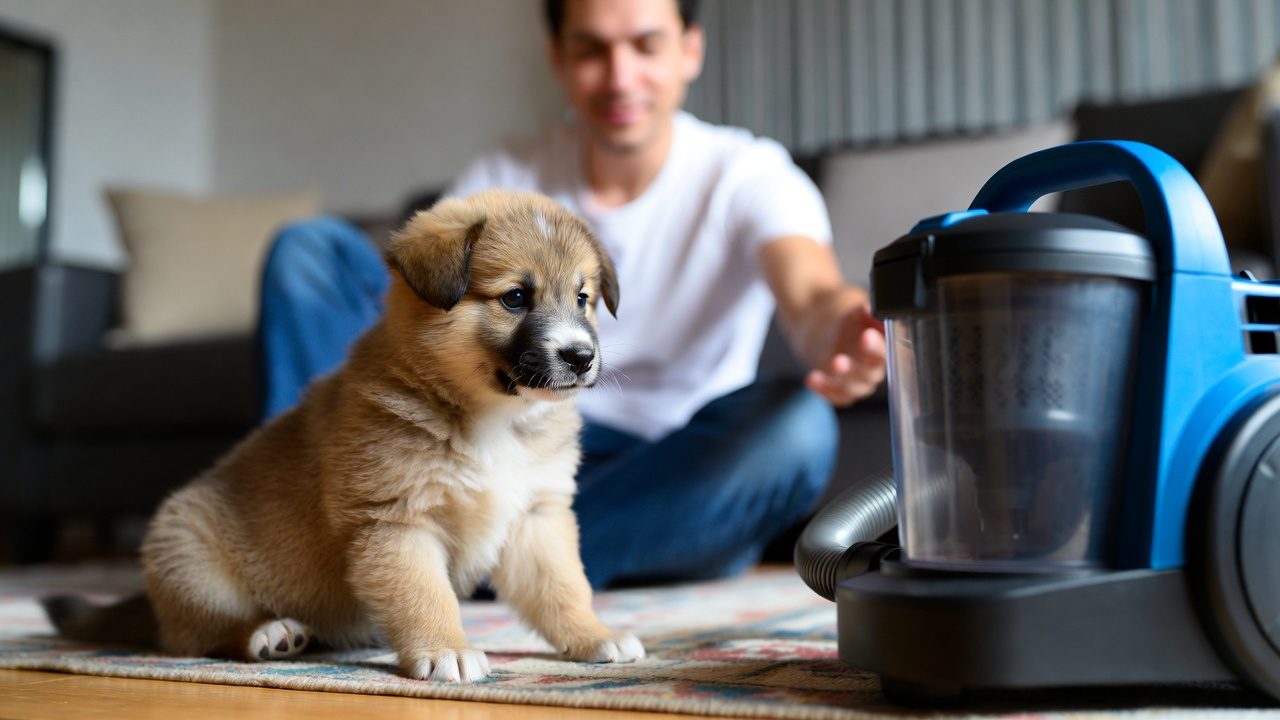
Step 5: Handle Your Puppy Regularly
Handling exercises help puppies become comfortable with grooming and vet visits.
Practice gently touching:
• Paws
• Ears
• Tail
• Mouth
Reward calm behavior during handling.
These exercises make future grooming and medical exams much easier.
Step 6: Introduce Different Surfaces
Walking on different surfaces helps puppies build confidence.
Examples include:
• Grass
• Sand
• Wooden floors
• Gravel
• Pavement
New textures improve balance and reduce hesitation in unfamiliar environments.

Step 7: Keep Experiences Positive
Positive reinforcement is essential.
Whenever your puppy experiences something new calmly:
• Offer treats
• Give praise
• Use gentle petting
Never force interactions.
Allow your puppy to explore at their own pace.
Confidence grows through positive experiences.
Common Socialization Mistakes
Avoid these mistakes:
• Forcing interactions
• Overwhelming the puppy
• Ignoring fear signals
• Skipping early exposure
• Punishing nervous behavior
Socialization should always feel safe.
Rushing the process can cause long-term fear.
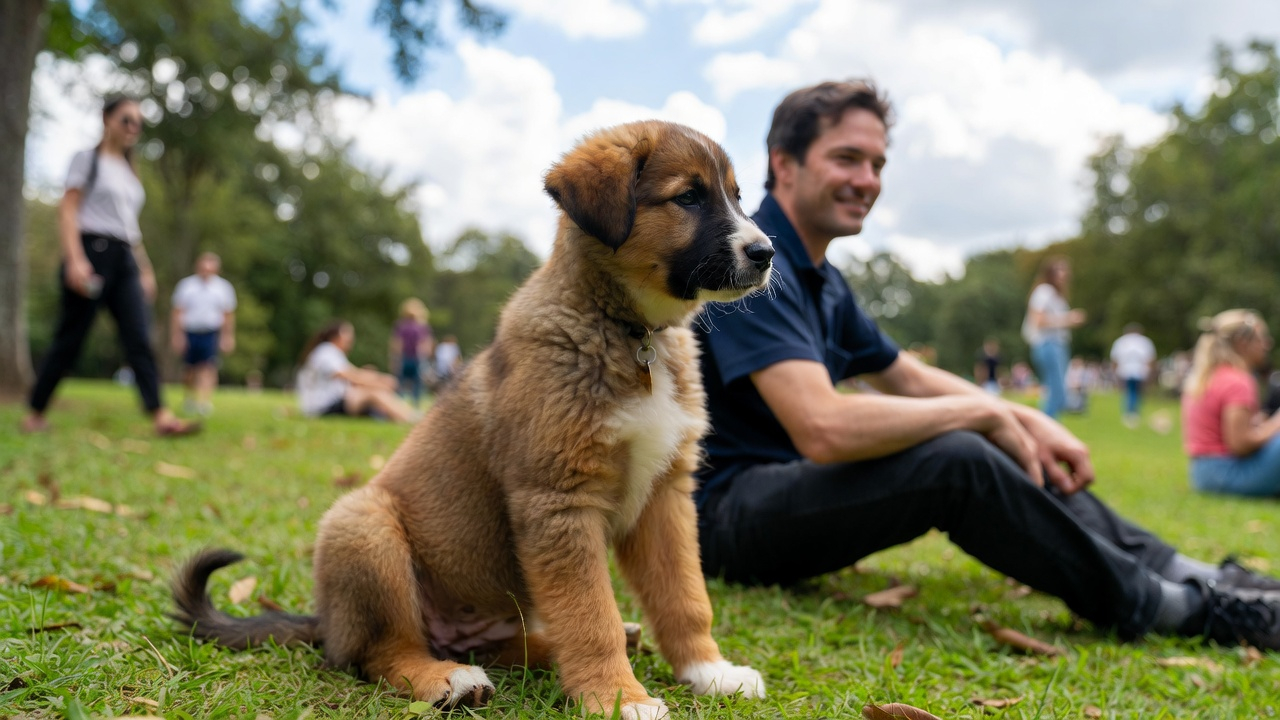
Signs Your Puppy Is Becoming Well Socialized
A well-socialized puppy will:
• Remain calm around strangers
• Show curiosity instead of fear
• Recover quickly from surprises
• Play politely with other dogs
• Adapt easily to new environments
These behaviors indicate healthy emotional development.
What If Your Puppy Seems Scared?
Fearful reactions are normal during learning.
If your puppy appears nervous:
• Increase distance from the trigger
• Speak calmly
• Offer reassurance
• Allow time to observe
Gradual exposure builds confidence.
Never punish fear responses.
Emotional Perspective: Socialization Builds Confidence
Socialization is not just training — it is helping your puppy understand the world.
Each positive experience teaches your puppy that new situations are safe and manageable.
Confidence developed during puppyhood stays with your dog throughout life.
Conclusion: Socialization Creates a Confident Dog
Learning how to socialize a puppy properly is one of the most valuable things you can do as a dog owner. By gradually exposing your puppy to new people, environments, sounds, and experiences, you help them develop confidence and emotional stability.
With patience and positive reinforcement, your puppy will grow into a well-adjusted and friendly adult dog.
Socialization connects to every part of training. Remember that bite inhibition starts with littermates and play, practice loose-leash manners for walks in new places, keep building confidence when left alone, and rehearse calm greetings with new people.
Frequently Asked Questions
What is the best age to socialize a puppy?
The critical socialization window is roughly 3 to 14 weeks of age. Experiences during this period shape your puppy’s confidence for life, so start the day your puppy comes home.
Can I socialize my puppy before vaccinations are finished?
Yes — with care. Carry your puppy in public places, invite healthy visitors over, and join a reputable puppy class that requires health checks. Avoid dog parks and unknown dogs until your vet gives the all-clear.
What should proper socialization include?
Calm, positive exposure to different people, friendly dogs, sounds, surfaces, vehicles and environments. Keep every experience short, fun and paired with treats so your puppy builds good associations.
What if my puppy seems scared of something new?
Never force them closer — let your puppy observe from a comfortable distance and reward calm behaviour. Forcing a scared puppy can create a lasting fear instead of confidence.

