
Introduction: Why the Sit Command Is the First Thing Puppies Should Learn
If you are learning how to train a puppy to sit, you are starting with one of the most important and foundational commands in dog training.
The sit command is often the first obedience skill professional trainers teach because it creates calm behavior and helps puppies focus on their owners.
Teaching your puppy to sit can help with many everyday situations, such as:
• Greeting visitors politely
• Waiting before meals
• Controlling jumping behavior
• Preparing for other training commands
A puppy that understands the sit command becomes easier to manage and train.
The good news is that puppies can learn this command very quickly with consistent training and positive reinforcement.
In this guide, you will learn how to train a puppy to sit using simple techniques that even first-time dog owners can follow.
When Should You Start Sit Training?
Most puppies can begin learning basic commands around 8 weeks of age.
At this stage, puppies are curious and eager to learn. Training sessions should be short, fun, and positive.
Young puppies have short attention spans, so keep sessions around 5–10 minutes.
Frequent short sessions are far more effective than long training periods.
Consistency is more important than speed.
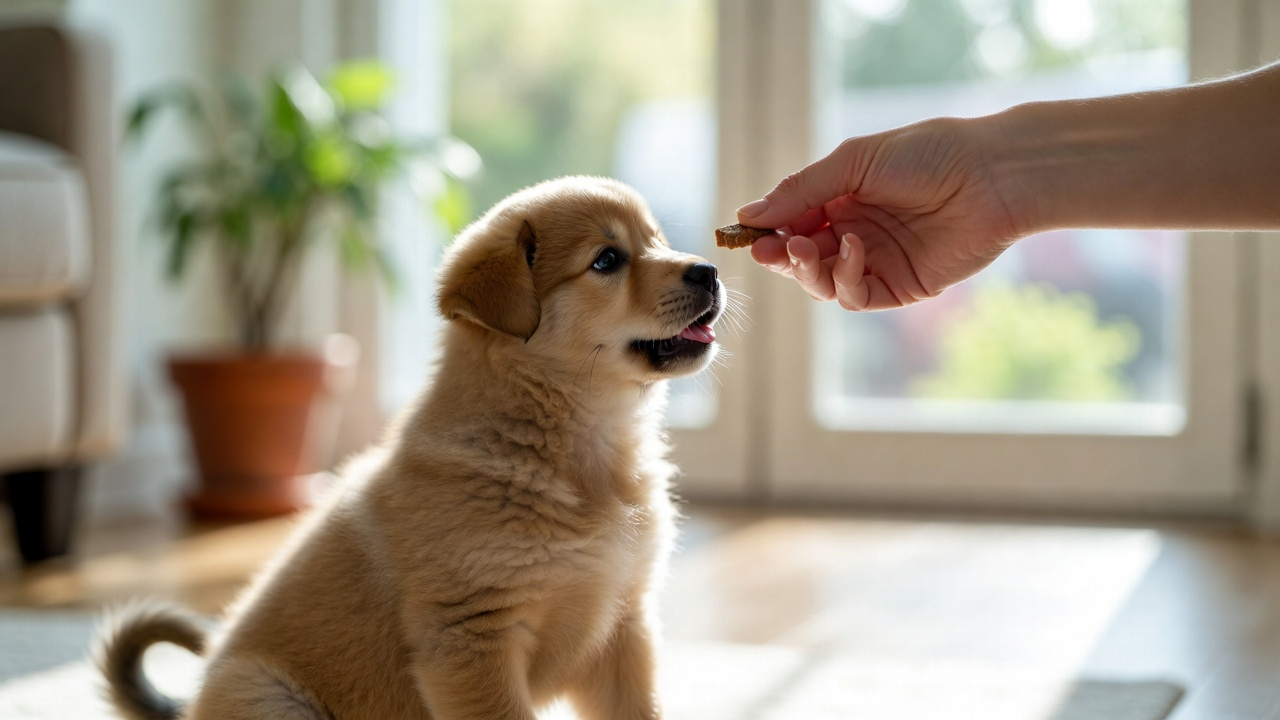
Step 1: Use the Treat Luring Method
The easiest way to begin how to train a puppy to sit is by using a treat lure.
Training steps:
-
Hold a small treat near your puppy’s nose
-
Slowly move the treat upward toward the back of their head
-
As the puppy looks up, their bottom naturally lowers
-
When their bottom touches the ground, say “Sit” and reward
This method uses natural body movement to teach the behavior.
Repeat this several times during each session.
Step 2: Add the Verbal Command
Once your puppy starts sitting consistently with the treat lure, begin adding the verbal cue.
Training process:
-
Say the word “Sit” clearly
-
Use the treat lure
-
Reward when the puppy sits
After enough repetition, your puppy will begin associating the word “Sit” with the action.
Eventually the command alone will trigger the behavior.
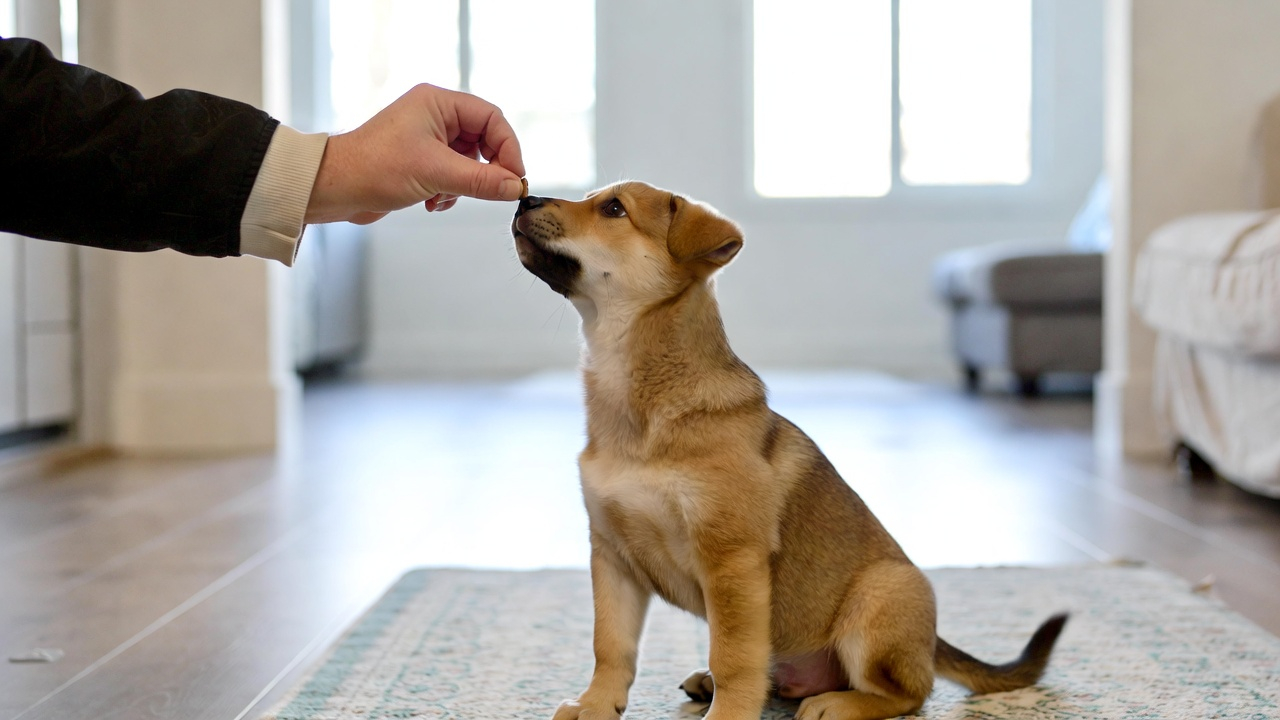
Step 3: Reward Immediately
Timing is critical in dog training.
Rewards must be given within 2–3 seconds of the correct behavior.
If the reward is delayed, the puppy may not understand what behavior earned the reward.
Rewards can include:
• Small treats
• Praise
• Gentle petting
• Playtime
Positive reinforcement strengthens learning.
Step 4: Reduce the Treat Lure Gradually
After your puppy understands the sit command, begin reducing the treat lure.
Training progression:
-
Say “Sit” without moving the treat
-
Wait for the puppy to sit
-
Reward after the action
This helps the puppy respond to the command instead of relying on the treat movement.
Eventually treats can be replaced with praise.
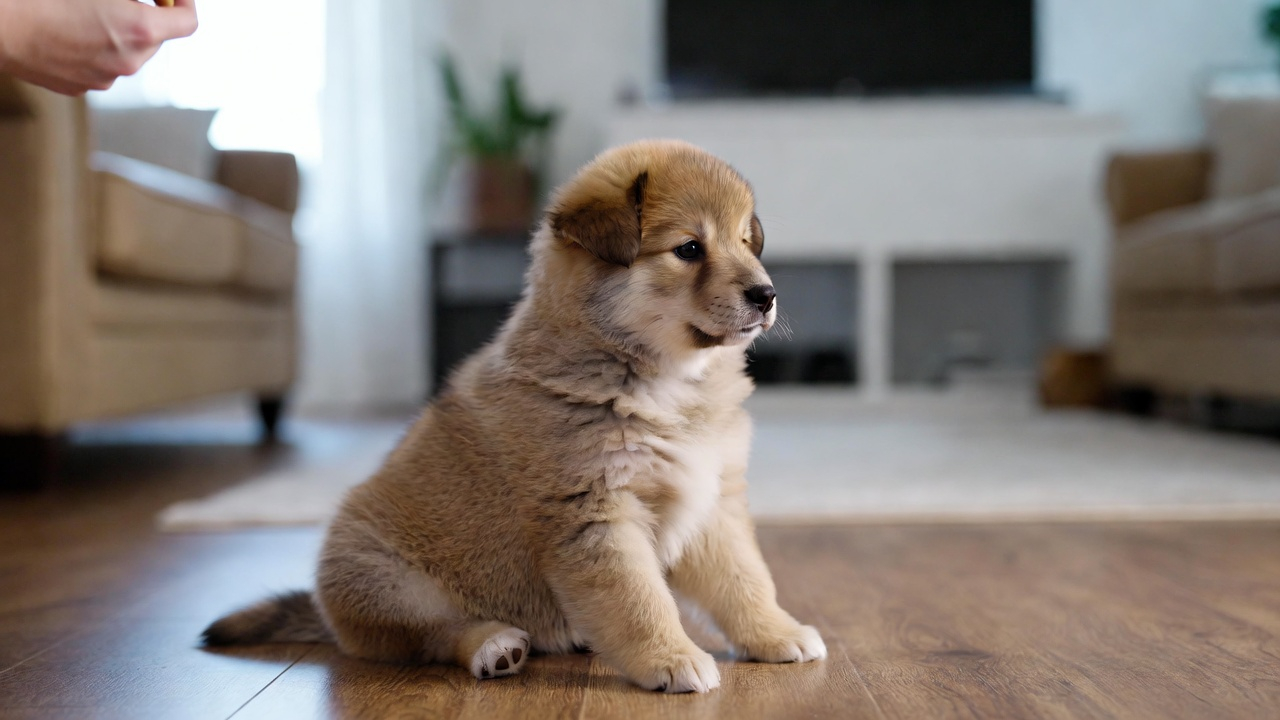
Step 5: Practice in Different Locations
Once your puppy understands the command indoors, practice in other environments.
Training locations can include:
• Backyard
• Sidewalk
• Park
• Pet-friendly stores
Start with quiet areas before introducing distractions.
Gradual exposure helps strengthen obedience.
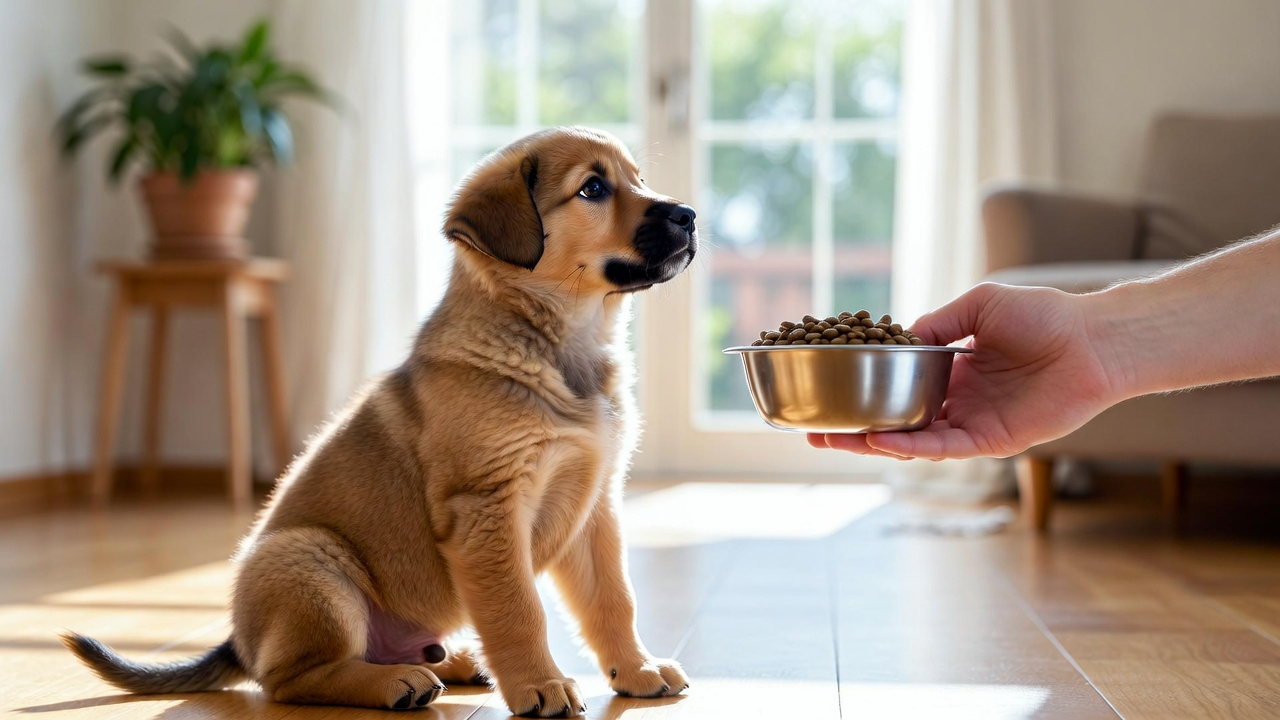
Step 6: Use Sit to Control Excitement
Sit is extremely useful for managing excited behavior.
Ask your puppy to sit before:
• Receiving food
• Going outside
• Greeting people
• Playing with toys
This teaches impulse control and patience.
Your puppy learns that calm behavior leads to rewards.
Step 7: Add Duration and Patience
Once your puppy understands sit, increase the duration.
Ask your puppy to remain sitting for:
• 3 seconds
• 5 seconds
• 10 seconds
Gradually increase time before rewarding.
This prepares your puppy for more advanced commands like stay.
Common Mistakes in Sit Training
Avoid these common errors:
• Repeating the command too often
• Training when the puppy is overly excited
• Using harsh correction
• Expecting long attention spans
• Skipping rewards
Training should always remain positive and consistent.
How Long Does It Take to Teach Sit?
Most puppies learn the sit command quickly.
Typical progress timeline:
1–3 days → Basic understanding
1 week → Responds consistently
2 weeks → Reliable in different environments
Puppies learn at different speeds depending on breed, age, and training consistency.
Why Positive Training Works Best
Positive reinforcement builds trust between you and your puppy.
When puppies associate training with rewards, they become eager learners.
Punishment or harsh methods can cause fear and confusion.
A calm and encouraging approach produces better long-term results.
Long-Term Training Tips
Even after your puppy learns the command:
• Continue practicing daily
• Train in new environments
• Reward good behavior occasionally
• Combine sit with other commands
Training strengthens over time through repetition.
Emotional Perspective: Sit Builds Communication
Teaching your puppy to sit is not just about obedience. It creates a communication system between you and your dog.
Your puppy begins to understand what you expect, and you gain a reliable way to guide their behavior.
This strengthens trust and builds a strong bond.
Conclusion: Sit Is the Foundation of Dog Training
Learning how to train a puppy to sit is the first step toward raising a well-behaved dog. By using treat lures, clear commands, and consistent rewards, you can teach this important skill quickly and effectively.
Once your puppy understands sit, many other commands become easier to teach.
With patience and positive reinforcement, your puppy will become a confident and obedient companion.
Once sit is solid, sit is the foundation of polite guest greetings, and you can use sit to get attention on walks. Make sit the first command of your first week together, and remember that sit plus impulse control stops grabbing before it starts.
Frequently Asked Questions
At what age can I start teaching my puppy to sit?
Most puppies can start learning at around 8 weeks old. Keep sessions to 5–10 minutes, use tiny tasty treats, and always end on a success so training stays fun.
How many times a day should I practise sit?
Three to five short sessions per day work best for young puppies. Frequent short practice beats one long session because puppies have very short attention spans.
Why does my puppy sit for treats but not otherwise?
Your puppy is probably responding to the treat, not the word. Gradually hide the treat, say “sit” first, and only reward after the action so the word itself becomes the trigger.
Should I push my puppy’s bottom down to teach sit?
No — physical pushing creates confusion and can make training stressful. Instead, lure the behaviour naturally by moving a treat up and back over your puppy’s nose so the bottom lowers on its own.

