
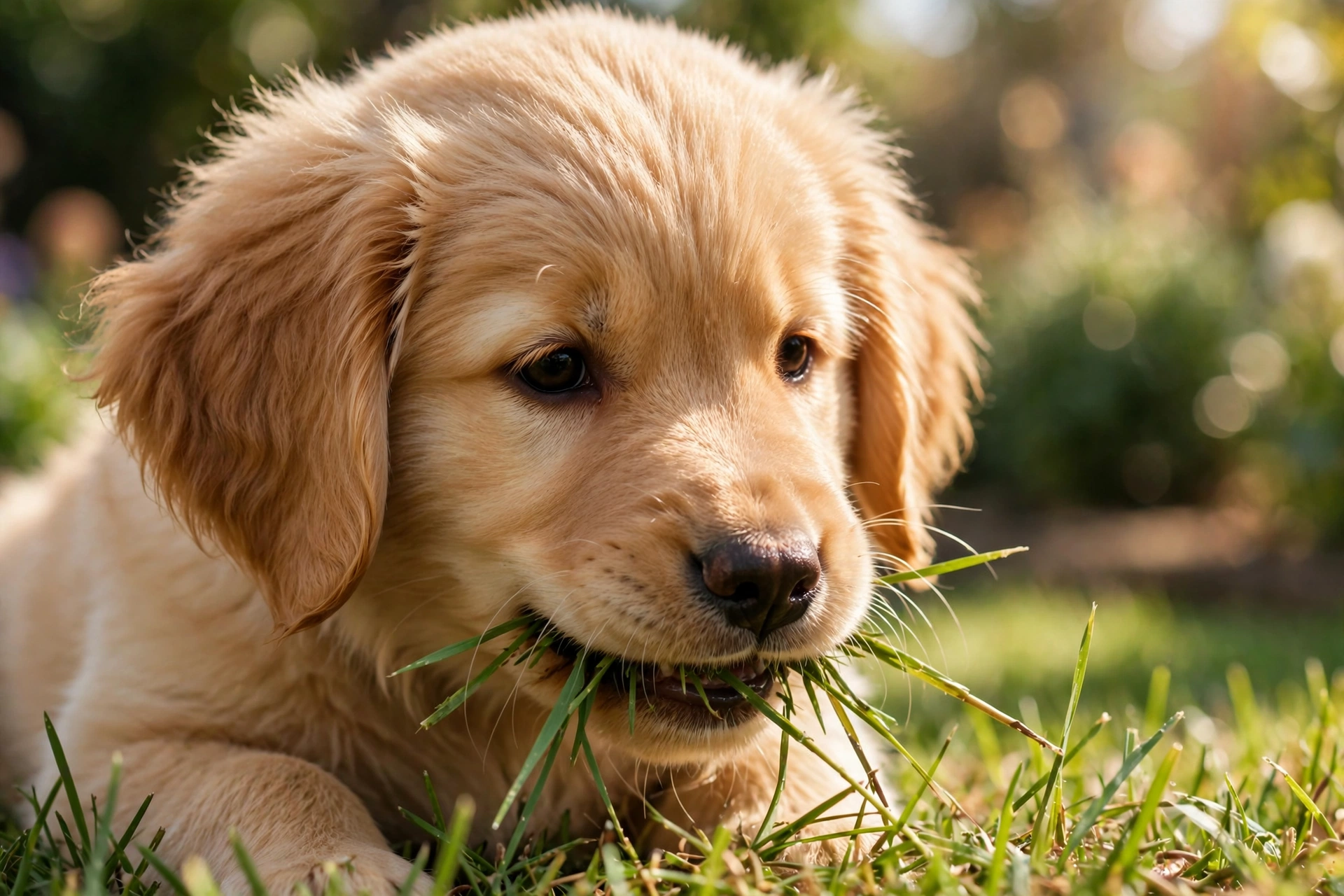
If you have ever watched your puppy graze across the lawn like a tiny, confused cow, you are in good company. Almost every new owner has stood in the yard wondering the same thing: why does my puppy eat grass — and should I be stopping it?
Here is the short, reassuring answer: in most cases, grass eating is completely normal puppy behavior. Puppies explore the world with their mouths, grass tastes interesting to them, and wild canids have been nibbling greenery for thousands of years. But there are times when grass eating is a warning sign — chemically treated lawns, frantic gulping, and repeated vomiting change the picture entirely.
This guide covers the real reasons puppies eat grass, when it is harmless, the red flags that deserve a vet visit, and the simple steps that cut down on grass munching without turning your yard into a battleground.
Why Do Puppies Eat Grass? The Real Reasons
There is no single reason puppies eat grass. It is usually a mix of instinct, curiosity, and opportunity — and most of the explanations below are nothing to worry about.
1. Normal exploratory behavior
Puppies learn about the world the way toddlers do: by putting things in their mouths. Grass is everywhere, it moves in interesting ways, it smells like the outdoors, and it is always available. For a young puppy, a blade of grass is simply one more novel object to investigate.
This mouth-first exploration peaks during the first six months of life and gradually fades as the puppy matures. If your puppy nibbles grass the same casual way they mouth leaves, sticks, and your shoelaces, you are watching normal development, not a problem.
2. They like the taste and texture
Some dogs genuinely seem to enjoy grass — especially the tender young blades of spring. Grass contains moisture, has a mild sweet taste when fresh, and offers a satisfying crunch that many puppies find appealing.
Owners often notice their puppy prefers certain patches or types of grass and ignores others, which suggests genuine preference rather than compulsion.
3. A natural instinct for fiber
Wolves, foxes, and other wild canids eat grass and plant matter regularly, and domestic dogs inherited the habit. One widely discussed theory is that dogs instinctively seek roughage to help move material through the digestive tract — grass blades may help sweep the gut or add bulk.
Most researchers now believe grass eating is simply an inherited behavior that persists because it is usually harmless — small amounts of plain grass do not mean anything is missing from your puppy’s diet.
4. Boredom
A puppy left alone in the yard with nothing to do will invent entertainment — and grazing is an easy option. Boredom grazers tend to eat grass in a slow, idle way, often combined with digging, barking at nothing, or carrying sticks around.
If the grass eating happens mostly when your puppy is understimulated, the grass is not the problem — the empty schedule is.
5. Attention-seeking
Puppies are excellent students of cause and effect. If the first time your puppy grabbed a mouthful of grass you gasped, ran over, and made a big fuss, your puppy learned something valuable: eating grass summons the human immediately.
Even scolding counts as attention to a puppy. Dogs that get dramatic reactions for grass eating often repeat the behavior precisely because it works. Calm, boring responses are the antidote.
Is It Normal for Puppies to Eat Grass?
Yes — it is extremely common. In surveys of dog owners, a large majority report that their dog eats grass at least sometimes, and only a small minority of those dogs vomit afterward. Wild canids eat vegetation routinely — grass nibbling is a normal part of the canine behavioral repertoire, not a sign of dysfunction.
Most puppies also moderate the habit on their own as they mature. As the novelty wears off, many adult dogs graze only occasionally — usually in spring when the grass is young and sweet. So if why does my puppy eat grass is your most-searched phrase this month, relax: you are watching an ancient, ordinary canine behavior.
When to Worry: Grass Eating Red Flags
Most grass nibbling is harmless background noise. These five patterns are the ones that deserve your attention, because they can signal that something beyond curiosity is going on.
1. Vomiting repeatedly after eating grass
The old story says dogs eat grass to make themselves vomit — but in owner surveys, only about one in four grass-eating dogs vomits afterward. Vomiting appears to be an occasional side effect, not the goal.
The pattern matters more than any single episode. A puppy that vomits once after an enthusiastic grazing session probably just overdid it. A puppy that reliably eats grass and then vomits may have an irritated stomach, dietary intolerance, or another gastrointestinal issue worth investigating with your vet.
2. Eating grass frantically
There is a big difference between a puppy casually nibbling and a puppy urgently gulping down large clumps of grass. Frantic, obsessive grazing — head down, tearing at the lawn, barely chewing — can be a sign of nausea or abdominal discomfort.
Dogs with an upset stomach sometimes eat grass rapidly and in quantity, seeking relief. If your question has shifted from why does my puppy eat grass to why the grazing suddenly looks frantic, treat it as a symptom and monitor closely.
3. Lawns treated with pesticides or fertilizers
This is the most serious everyday risk of grass eating. Weed killers, insecticides, and lawn fertilizers can be toxic to puppies, who are smaller, more sensitive, and more likely to ingest significant amounts than adult dogs.
Keep your puppy off any treated lawn for at least 48 to 72 hours after application, and longer if the product label says so. The trickier part is other people’s lawns: neighbors, parks, and apartment complexes may treat grass without warning. Watch for lawn-service warning flags, and when in doubt, steer your puppy to untreated areas.
Signs of chemical exposure include drooling, vomiting, diarrhea, lethargy, tremors, or difficulty walking. If you suspect your puppy ate treated grass and shows any of these symptoms, contact your vet or an animal poison hotline immediately — do not wait to see if it passes.
4. Lethargy, diarrhea, or appetite loss alongside it
Grass eating paired with other symptoms tells a different story than grass eating alone. A puppy that grazes and is also lethargic, has diarrhea, refuses meals, or seems uncomfortable may be dealing with anything from intestinal parasites to a dietary problem to something they swallowed.
Normal energy, normal appetite, normal stools, plus grass nibbling equals a normal puppy. Add any genuine symptom to the mix and the grass eating becomes one data point among several — worth mentioning to your vet rather than treating as a standalone quirk.
5. Eating other non-food objects too
A puppy that eats grass and also swallows rocks, fabric, plastic, wood chips, or other non-food items may have pica — the persistent craving for non-nutritive substances. Occasional puppy mouthing is normal; deliberate, repeated swallowing of inedible objects is not.
Pica can stem from nutritional deficiencies, gastrointestinal disease, anemia, or compulsive behavior patterns. It also carries a direct physical danger: foreign objects can cause intestinal blockages requiring emergency surgery. If grass is just one item on your puppy’s menu of inedible things, schedule a vet visit to rule out medical causes.
Can Grass Make My Puppy Sick?
Plain, untreated grass in small amounts almost never harms a puppy. The real risks come from what is on the grass, what kind of grass it is, or how much gets eaten at once.
| Risk | How serious | What to do |
|---|---|---|
| Pesticides, herbicides & fertilizers | High — can cause vomiting, drooling, tremors, or worse | Keep puppy off treated lawns 48–72 hours; ask neighbors and lawn services what was applied |
| Foxtails & sharp seed awns | High in dry grassy regions — can lodge in nose, ears, eyes, or paws | Avoid tall dry grass in summer; check ears, paws, and nose after walks |
| Intestinal parasites | Moderate — eggs live in soil and feces where grass grows | Stay on a deworming schedule; pick up waste promptly; avoid areas heavy with dog traffic |
| Large amounts of grass | Low–moderate — stomach irritation and vomiting | Interrupt calmly and redirect; do not chase or scold |
Foxtails deserve special attention if you live in the western United States. These barbed seed heads burrow in one direction — into skin, ears, noses, and even lungs — and they do not come out on their own. A puppy that sneezes violently after running through tall dry grass needs a vet check promptly, as foxtails in the nasal passage are an emergency.
Grass itself does not contain worms, but the soil beneath it can harbor roundworm or hookworm eggs, especially in areas where many dogs eliminate. Regular deworming and prompt waste cleanup keep this risk low.
How to Stop Your Puppy Eating Grass
For most puppies, the realistic goal is reducing the habit — not achieving a perfectly grass-free existence. These five steps work together, and none of them involves punishment.
1. Teach a rock-solid “leave it”
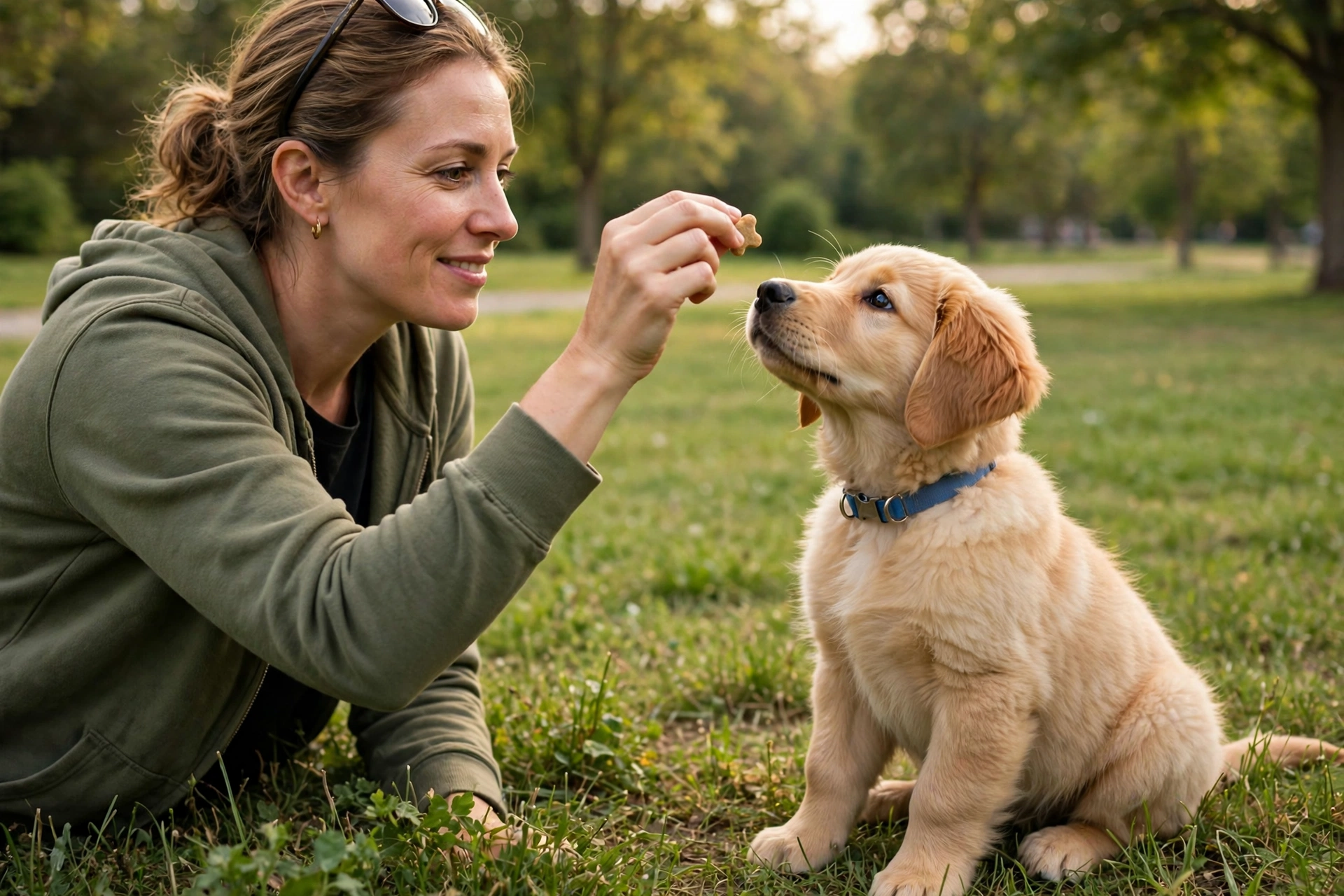
“Leave it” is the single most useful cue for a grass grazer. Start indoors: hold a treat in your closed fist, let the puppy sniff and paw, and the instant they back off, mark and reward from your other hand. Repeat until the puppy consistently disengages.
Next, practice with the cue on walks and in the yard. The moment your puppy orients toward grass, say “leave it” in a calm, upbeat tone and reward generously when they turn away. Early on, reward every single success — generous pay now buys reliability later.
2. Keep your puppy mentally stimulated
Boredom is one of the top drivers of grazing, and it is also the easiest to fix. A puppy that has had training practice, puzzle feeders, scent games, or a good play session before yard time rarely bothers to eat grass — they are pleasantly tired instead.
Ten minutes of “find it” games with scattered kibble, a frozen stuffed Kong, or a snuffle mat before going outside can transform yard time. A mentally worked puppy experiences the yard as a place to sniff and explore.
3. Feed a balanced diet and check with your vet
While ordinary grass eating does not prove a nutritional deficiency, a sudden onset of intense grass eating in a puppy that previously ignored grass is worth mentioning at your next vet visit. Feed a complete, age-appropriate puppy food from a reputable brand.
If your vet suspects a digestive issue behind the grazing, they may suggest a diet adjustment or run a fecal test. Rule out the medical before assuming the behavioral.
4. Supervise yard time
Unsupervised puppies graze more. When you are present, you can interrupt the first nibble calmly before it becomes a grazing session. A long training line gives a young puppy freedom to roam while keeping you in the loop.
Timing matters: interrupt early and boringly. Call the puppy away cheerfully or redirect to a toy the moment they start nibbling. What you must not do is chase — a puppy that gets pursued for grass eating learns an exciting new game, which guarantees more grass eating, not less.
5. Offer safe alternatives
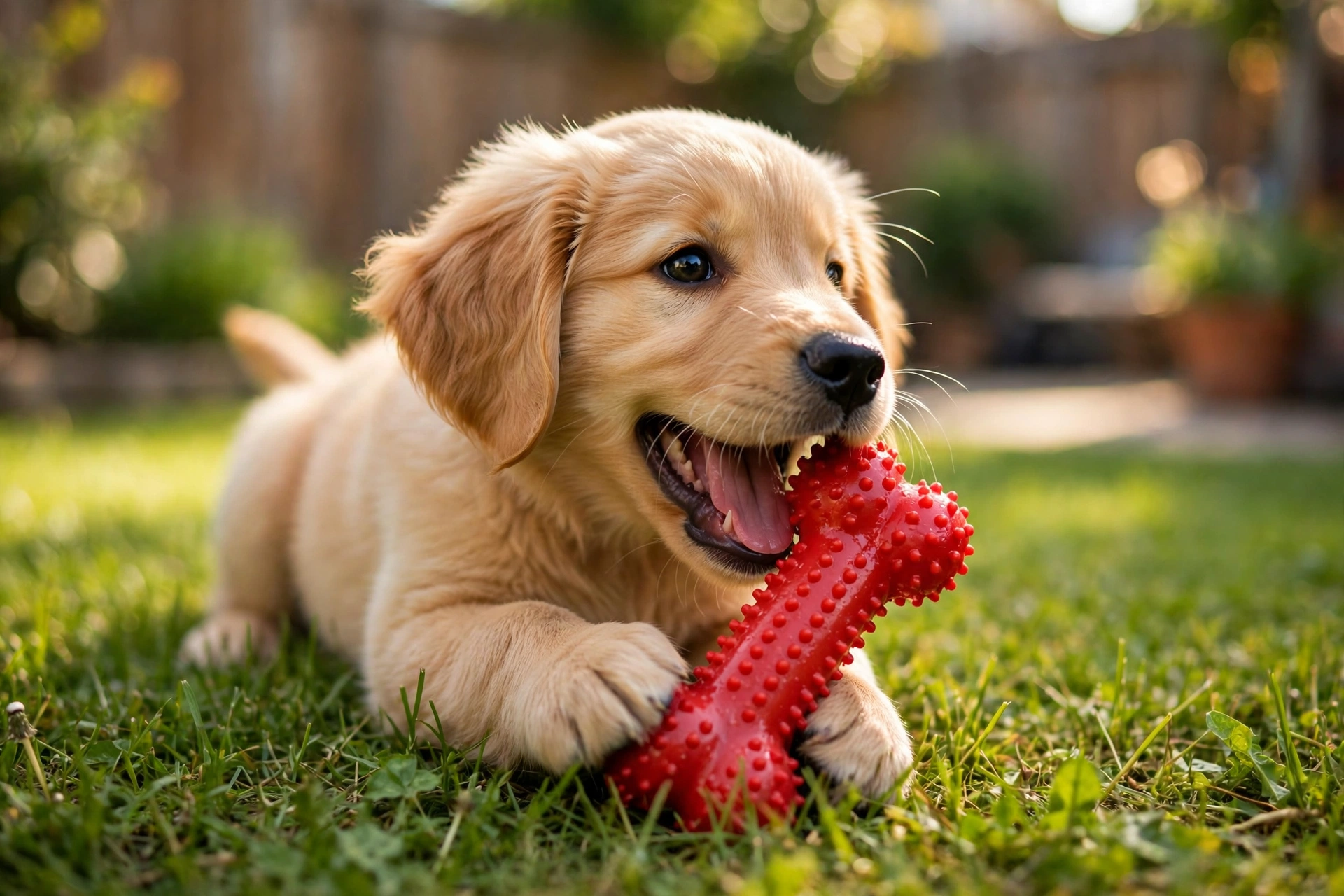
Give your puppy something better to do with their mouth. Chew toys, bully sticks, frozen carrots, and stuffed Kongs all satisfy the oral urge that grass otherwise fills. Rotate toys to keep them novel — a toy that has sat in the corner for a week has lost its appeal.
For dedicated grazers, some owners grow a small pot of pet-safe grass (like wheatgrass) indoors. It gives the puppy a safe, pesticide-free outlet for the urge while you train the outdoor habit away.
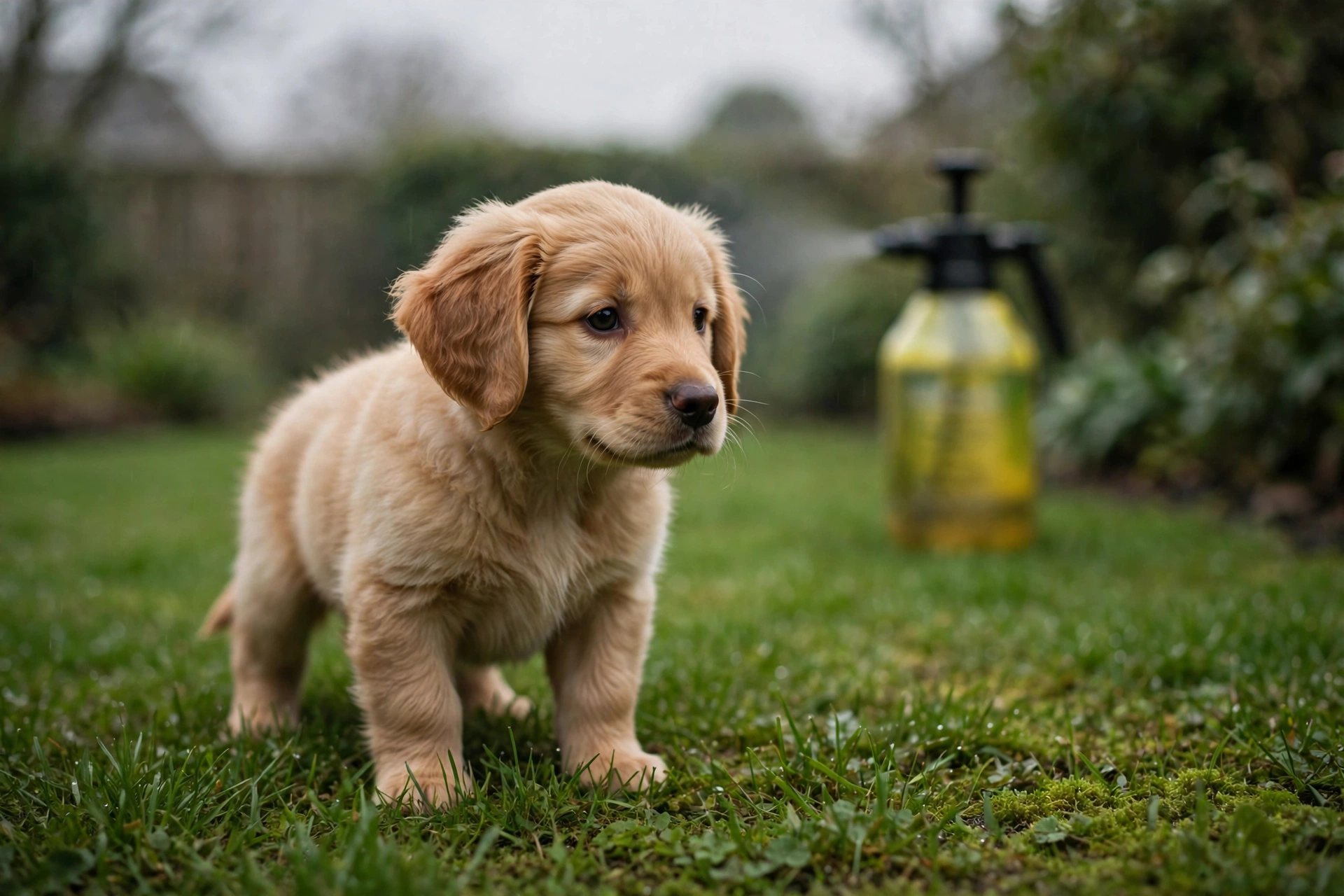
One rule covers all five steps: never punish grass eating. Yelling, leash jerks, or spray bottles for grazing create anxiety and damage your training relationship — and an anxious puppy often develops more compulsive behaviors, not fewer. Either way, the puppy learns to graze when you are not looking.
What Vets Say About Puppies Eating Grass
The veterinary consensus is calm: occasional grass eating in an otherwise healthy puppy is normal behavior, not a medical problem. Most vets hear “why does my puppy eat grass” weekly, and the standard answer is reassurance paired with sensible precautions about treated lawns.
Where vets draw the line is pattern and context. Compulsive or frantic grass eating, grass eating that consistently ends in vomiting, or grazing paired with lethargy, diarrhea, or appetite changes moves the behavior from “normal quirk” to “worth investigating.” In those cases, vets typically check for gastrointestinal irritation, parasites, or dietary issues.
The practical takeaway matches what vets tell owners in the exam room: enjoy your normal grass-nibbling puppy, keep them away from treated lawns, teach “leave it,” and bring up any change in the pattern at your regular checkups. You do not need an emergency appointment for ordinary grazing.
Frequently Asked Questions
Will eating grass hurt my puppy?
In almost all cases, no. Small amounts of plain, untreated grass pass through harmlessly. The exceptions are grass treated with pesticides or fertilizers, sharp seed awns like foxtails, and very large quantities eaten frantically — those can cause real problems. Ordinary nibbling on your own untreated lawn is not hurting your puppy.
Why does my puppy eat grass and then vomit?
Usually because they ate too much, too fast — the roughage irritates the stomach lining and comes back up. Vomiting is usually just a side effect, not the goal. If it happens once in a while, do not worry. If your puppy reliably vomits after grazing, or vomits repeatedly, talk to your vet about possible stomach irritation or dietary issues.
Do puppies eat grass when bored?
Yes — boredom is one of the most common reasons. A puppy left in the yard with nothing to do will graze idly, often alongside digging or barking. If the grass eating clusters around understimulated periods, add mental enrichment before yard time: training games, puzzle feeders, or scent work. Most boredom grazers drop the habit once their days get more interesting.
Should I stop my puppy eating grass completely?
There is no need to eliminate every nibble. Casual grazing on clean, untreated grass is harmless. Focus your effort where it matters: teach “leave it” for reliability, keep your puppy off treated lawns, and redirect frantic or obsessive grazing. Aim for management and reduction, not perfection.
Can grass cause a blockage in puppies?
It is very unlikely. Grass is soft plant fiber that normally passes through the digestive system without trouble. Blockages come from dense, indigestible objects — socks, toys, corn cobs — not grass blades. True obstruction from grass alone is exceedingly rare.
When should I call the vet about grass eating?
Call your vet if the grass eating is frantic or compulsive, if it consistently ends in vomiting, if your puppy may have eaten treated grass and shows symptoms like drooling or lethargy, or if grazing comes with diarrhea, appetite loss, or low energy. Also call if your puppy swallows other non-food items too — that pattern suggests pica, which needs a medical workup.
The Bottom Line
So, why does my puppy eat grass? For most puppies, the answer is boring: curiosity, taste, instinct, boredom, or a bid for your attention. It is one of the most normal things a puppy can do, shared with wild canids across thousands of years.
Stay alert for the exceptions rather than the rule. Treated lawns, frantic gulping, repeated vomiting, and grass eating paired with genuine symptoms are the situations that deserve action — everything else deserves a shrug and a “leave it.” Teach the cue, enrich the day, and supervise the yard. The grazing phase, like so many puppy phases, gets easier with time and training.
Related reads
- Why Does My Puppy Eat Poop? Causes & How to Stop It Fast
- Puppy Teething Timeline: Week-by-Week Guide for New Owners
- What Age Do Puppies Calm Down? Timeline by Breed Size

