
Three weeks ago, your puppy was a house-training superstar. Accidents were rare, the back door routine was clockwork, and you were quietly congratulating yourself on a job well done. Then, out of nowhere — a puddle by the front door. Then another one behind the couch. Then one morning you step in something warm and your first thought is: are we starting over from zero?
If your previously house-trained puppy is suddenly peeing in the house again, you’re almost certainly dealing with puppy potty training regression — and it is one of the most common, most frustrating, and most fixable setbacks in all of puppy raising.
Here’s the reassuring truth up front: regression doesn’t mean your training failed, and it doesn’t mean your puppy is being spiteful, stubborn, or “bad.” Dogs don’t pee indoors out of revenge — that’s a human story we project onto them. Regression has real, understandable causes, and once you identify yours, most puppies get back on track within one to three weeks. This guide covers the 8 most common reasons puppies regress, how to tell regression apart from medical problems, and the exact back-to-basics protocol trainers use to fix it.
What Is Potty Training Regression?
Puppy potty training regression is what happens when a puppy who was reliably (or nearly) house-trained starts having indoor accidents again after a stretch of success. The key word is again — this isn’t a young puppy who never learned the rules. It’s a puppy who knew the rules and seems to have forgotten them.
It typically shows up in two windows. The first is around 4–6 months, when early training was going well and owners naturally relax supervision a little too early. The second — and more dramatic — is during adolescence, roughly 6–14 months, when hormonal changes, boundary-testing, and a still-maturing brain collide. Some puppies sail through both windows without a single setback; others regress hard enough that their owners genuinely wonder what went wrong.
Nothing went wrong. Regression is a normal feature of how puppies learn — progress in dog training is rarely a straight line. Think of it less like a failure and more like your puppy’s brain running a software update: things glitch temporarily while new systems come online. Your job isn’t to panic or punish — it’s to calmly reinstall the basics until the update finishes.
8 Reasons Your Puppy Is Peeing in the House Again
Every regression has a cause. Finding yours is what turns a mysterious, maddening problem into a solvable one. Work through this list honestly — most owners find their answer in the first four.
1. Adolescence and Boundary-Testing (6–14 Months)
The single most common cause of potty training regression is adolescence. Between roughly 6 and 14 months, your puppy’s brain is rewiring itself, hormones are surging, and independence is blooming. Behaviors that were solid at 5 months can wobble at 8 months — not because your puppy forgot, but because they’re actively testing whether the old rules still apply.
Adolescent regression often comes with a package deal: selective hearing, chewing things they’d ignored for months, and a sudden reluctance to go outside in bad weather. It’s all the same developmental phase. The fix is the same too — patient, consistent repetition of the basics, not a training overhaul.
2. Too Much Freedom, Too Soon
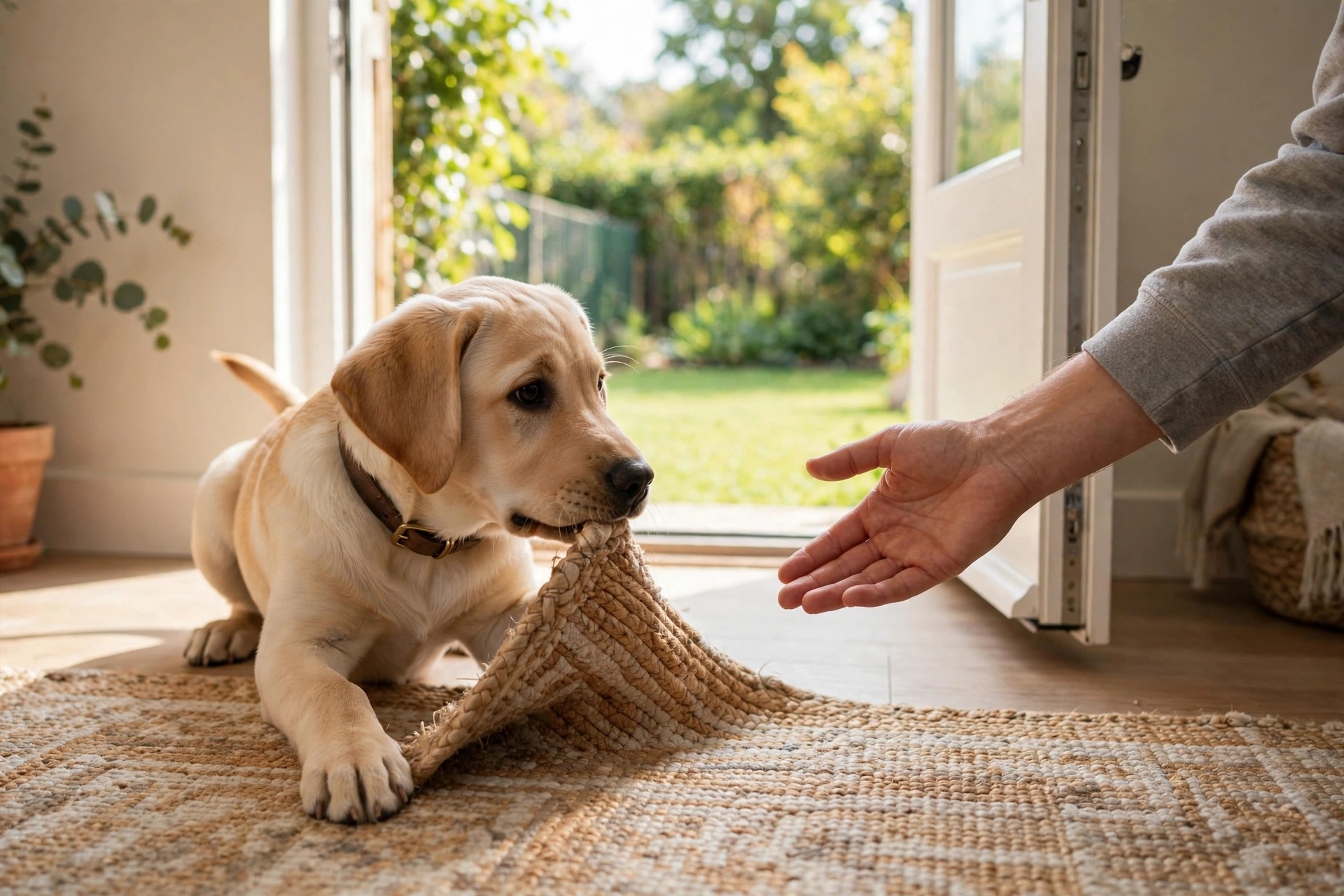
This is the owner-caused classic. The puppy goes two accident-free weeks, so the baby gates come down, the crate gets retired, and the puppy earns unsupervised access to the whole house. Two weeks later: puddles.
Here’s the uncomfortable truth: most “regressions” at 4–6 months aren’t regressions at all — they’re incomplete training revealed by premature freedom. The puppy hadn’t truly generalized the rule (“I pee outside, always”); they’d just learned the routine under close supervision. Freedom is earned in stages, and each new room or unsupervised stretch is a new test. If accidents return, the answer is simple: roll freedom back to the last level where your puppy succeeded, and expand again more slowly.
3. Changes in Routine or Environment
Puppies are creatures of habit, and house training is deeply tied to routine: same door, same spot, same schedule. Move to a new home, change your work hours, travel, renovate, or even just rearrange the furniture, and a previously reliable puppy can fall apart. The rules didn’t change in your mind — but from the puppy’s perspective, the entire context did.
Any big life change deserves a temporary return to basics: tighter schedule, closer supervision, and generous rewards for outdoor success until the new routine is solid.
4. Medical Issues — Especially UTIs
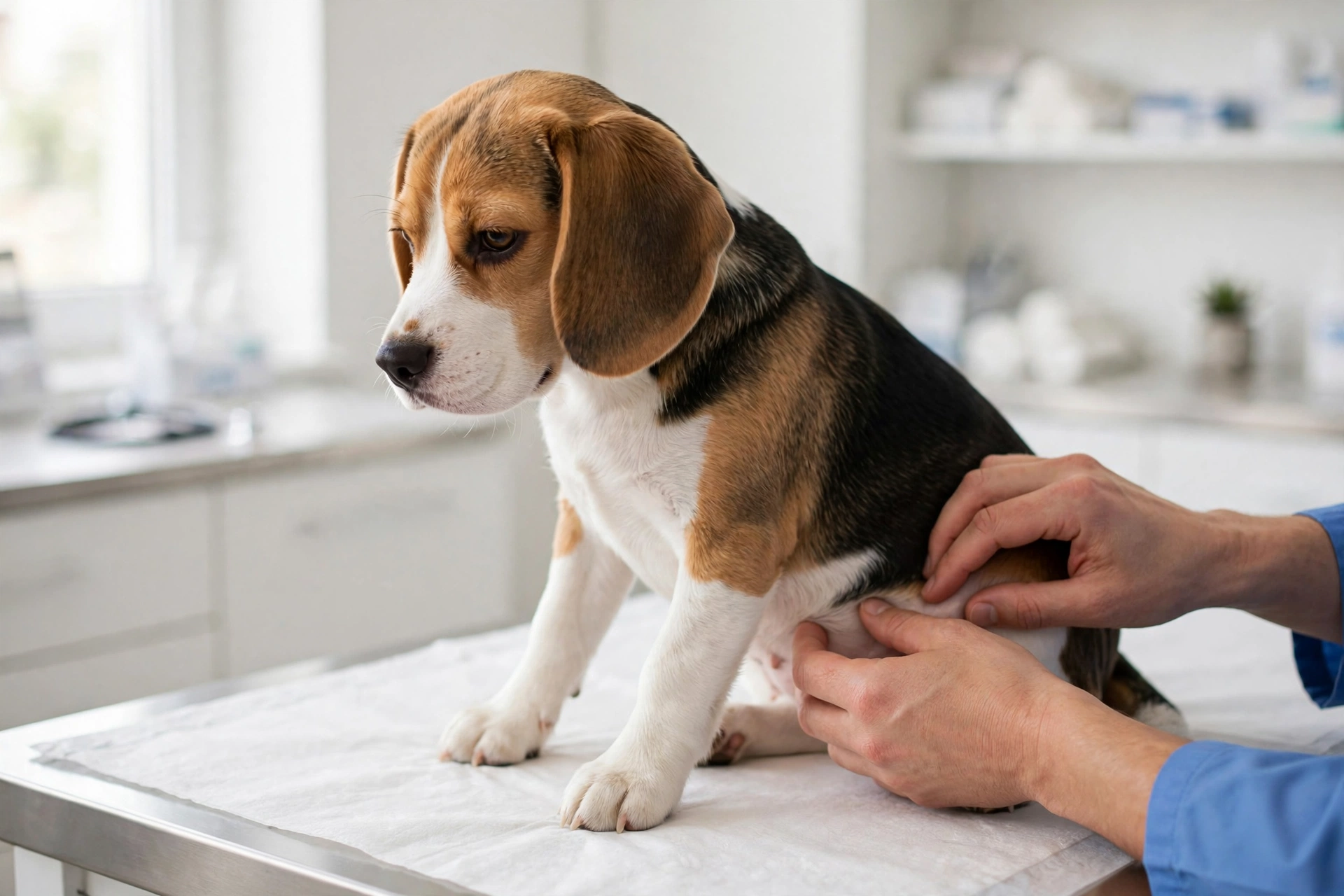
This one matters most, so read it twice: sudden potty training regression can be the first visible sign of a medical problem, most commonly a urinary tract infection (UTI). A puppy with a UTI feels a constant, urgent need to pee, can’t hold it, and may strain, dribble, or pee in tiny frequent amounts.
Other medical culprits include bladder stones, gastrointestinal upset (for poop accidents), and — in very young puppies — congenital issues. The rule trainers live by: if regression appears suddenly in a previously reliable puppy, especially with any change in frequency, urgency, or appearance of the urine, see your vet first and troubleshoot training second. No training protocol fixes an infection.
5. Stress or Anxiety
A new baby, a new pet, houseguests, loud construction next door, a family member leaving — stress leaks out of puppies in physical ways, and indoor accidents are a classic outlet. Anxious puppies may also drink more water, pace, or lose their ability to “hold it” simply because their nervous system is running hot.
Stress-related regression usually resolves as the stressor fades, but you can speed things along by keeping the potty routine boringly predictable (it’s an anchor in a wobbly time) and making sure your puppy still gets enough exercise and mental stimulation.
6. Marking Behavior (Especially in Intact Males)
Starting around 6–9 months, some puppies — most often intact males, but females too — begin urine marking: small amounts of pee deposited on vertical surfaces like furniture legs, walls, and doorframes. This isn’t a house-training failure; it’s hormonal communication. The tell-tale signs are tiny volume, vertical targets, and a deliberate sniff-and-lift sequence rather than a full emptying squat.
Marking needs a different response than true regression: interrupt calmly, manage with supervision and belly bands as a temporary aid, clean marked spots with enzymatic cleaner, and discuss neutering timing with your vet (it reduces but doesn’t always eliminate marking). Don’t confuse the two — retraining a marker like a regression case misses the point.
7. Weather Avoidance
Some puppies develop a sudden refusal to go outside in rain, cold, wind, or snow — and then, inevitably, go inside instead. This often starts as a single bad experience (a thunderstorm during a potty break, icy paws) and hardens into a habit. Small and short-coated breeds are the usual suspects.
The fix is making the outdoors tolerable again: a well-fitting coat, cleared potty paths in snow, a covered potty area, and high-value rewards for braving the elements. Never drag a reluctant puppy into bad weather — you’ll confirm their suspicion that outside is awful.
8. Submissive or Excitement Urination
Worth distinguishing: some puppies don’t “regress” so much as leak a little pee when greeting people, during play, or when scolded. Excitement urination (wiggly puppy + visitors = dribble) and submissive urination (peeing when intimidated or corrected) are involuntary — the puppy literally cannot help it, and most outgrow both by 12 months.
If the accidents are small dribbles tied to greetings or excitement rather than full pees, you’re likely looking at this, not true regression. Keep greetings calm and low-key, avoid looming over the puppy, and never punish it — punishment makes submissive urination worse.
Regression or Something Else? How to Tell the Difference
Not every indoor accident is regression. Matching the pattern to the cause saves you from fixing the wrong problem:
- True regression: full-size pees indoors after weeks of reliability; often tied to adolescence, routine changes, or newfound freedom. The puppy acts otherwise normal.
- UTI or medical issue: sudden onset with straining, frequent tiny pees, cloudy or bloody urine, excessive licking, or increased thirst. Vet visit — don’t wait.
- Marking: tiny amounts on vertical surfaces, deliberate sniff-then-lift posture, typically 6+ months old. Management + vet discussion, not retraining.
- Excitement/submissive urination: small dribbles during greetings, play, or scolding. Involuntary — manage the trigger, not the puppy.
- Never fully trained: accidents never really stopped; the “regression” is just the training gap becoming visible. That’s a first-time training project, not a regression protocol.
When in doubt, the vet check comes first. It’s cheap insurance against weeks of misdirected effort.
The Back-to-Basics Fix: 7 Steps to Get Back on Track
Trainers fix potty training regression the same way every time: not with new techniques, but by faithfully reinstalling the original ones. Think of it as house-training 2.0 — shorter this time, because your puppy already knows the concept. Most puppies turn the corner within one to three weeks.
Step 1: Rule Out Medical Causes First
Before changing a single training habit, get a vet check — especially if the regression was sudden. Bring a fresh urine sample if you can (your vet’s office will tell you how). Treating a UTI takes days; retraining around an undiagnosed one takes weeks and fails. This step costs little and eliminates the biggest wildcard.
Step 2: Restart the Potty Schedule Like It’s Day One
Go back to the puppy schedule: out first thing in the morning, after every meal, after every nap, after every play session, and every 1–2 hours in between (adjust for age — an 8-month-old holds longer than a 12-week-old, but during a regression, shorter intervals win). Set phone reminders if you have to. Boring, predictable, non-negotiable — that’s the point. You’re rebuilding a habit loop, and habit loops run on repetition.
Step 3: Supervise or Confine — No Unsupervised Freedom
Until accidents stop for at least two full weeks, your puppy earns no unsupervised house access. Eyes on the puppy, puppy on a leash indoors, or puppy in a crate/playpen when you can’t watch. This isn’t punishment — it’s management that prevents rehearsal. Every indoor accident your puppy practices makes the habit stronger; every one you prevent (by catching the pre-pee circling and redirecting outside) makes the outdoor habit stronger. Supervision is the whole game during a regression.
Step 4: Reward Outdoor Success Like It’s Brand New
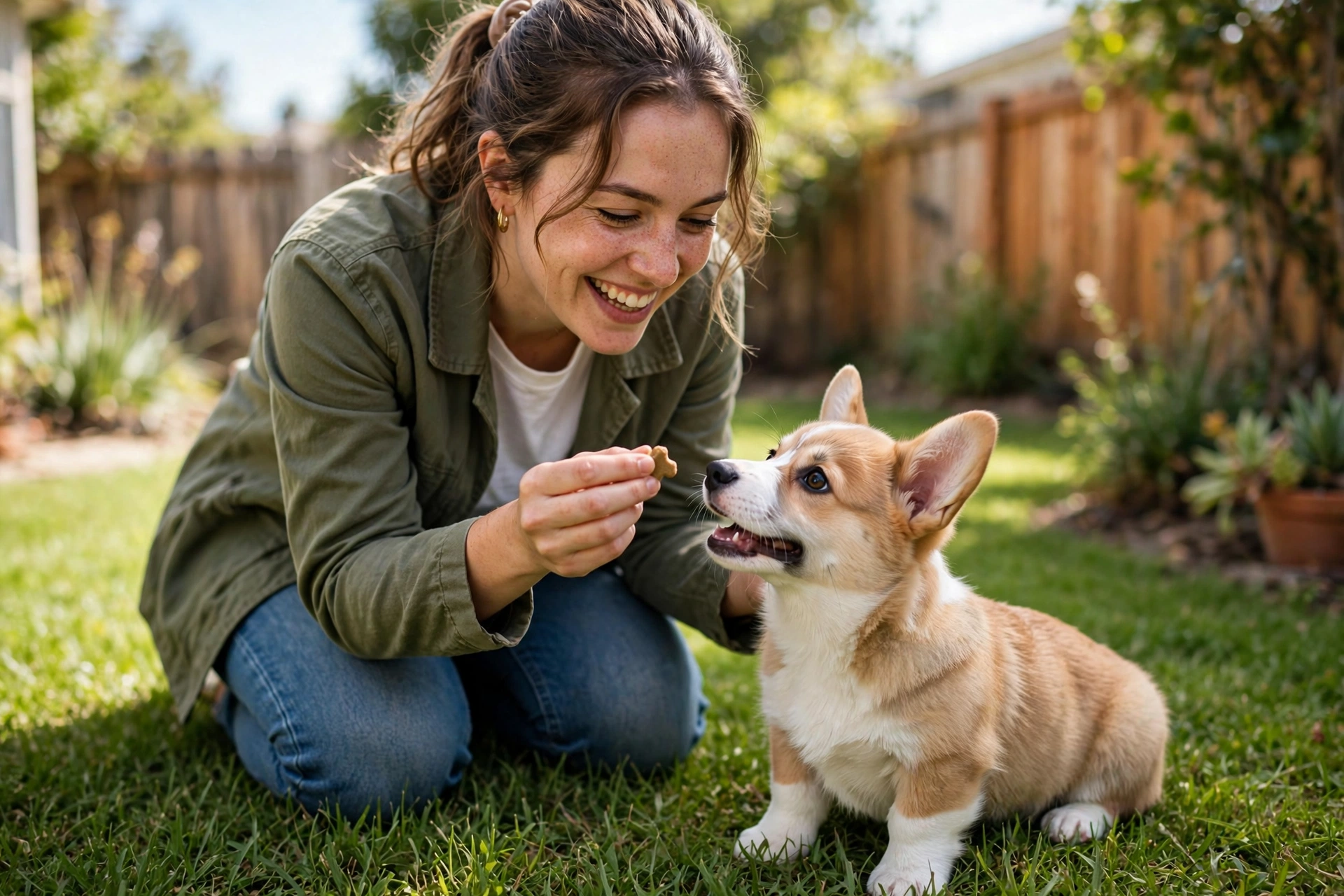
Whatever you did during the original training, do it again with fresh enthusiasm: the instant your puppy finishes peeing outside, mark it (“yes!”) and deliver a high-value treat within seconds — not after you walk back inside. Many owners quietly stopped rewarding months ago once things were “working.” During a regression, the paycheck needs to come back. You’re re-teaching the lesson that outside pays and inside doesn’t.
Step 5: Clean Every Accident With Enzymatic Cleaner
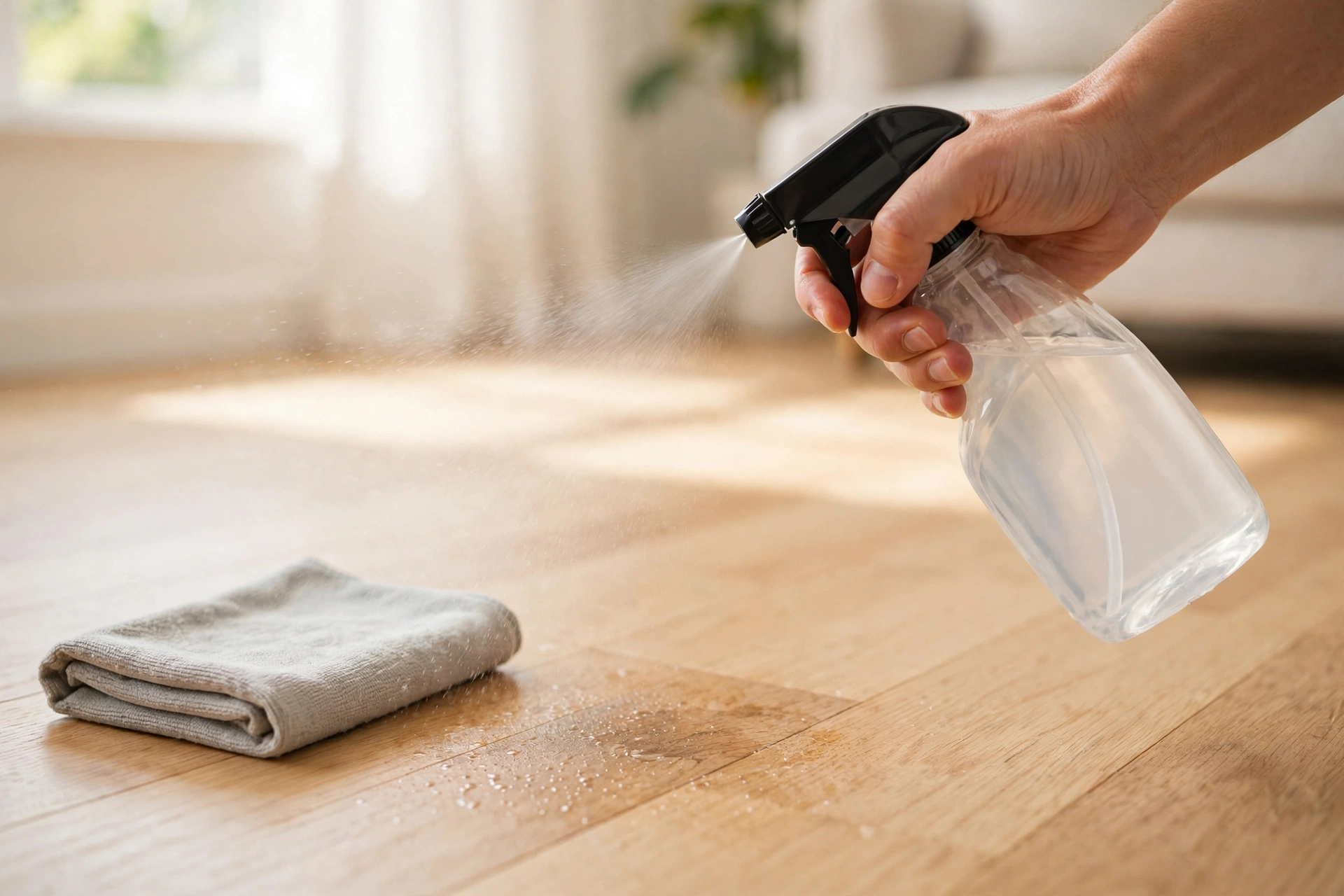
Dogs return to spots that smell like a toilet. Regular household cleaners — especially anything ammonia-based, which smells like urine to a dog — don’t remove the scent markers; they can actually make the spot more attractive. Use a true enzymatic cleaner (the enzymes break down the urine proteins), soak the area thoroughly, and let it air-dry. For carpets, that means saturating down to the pad. One half-cleaned spot can single-handedly sustain a regression.
Step 6: Never Punish Accidents — Not Even Once
Yelling, scolding, rubbing their nose in it, dragging them to the spot after the fact: none of it teaches “don’t pee inside.” Your puppy cannot connect a punishment to an accident that happened minutes ago — they connect it to you being scary near pee, which teaches them to hide future accidents behind furniture instead of stopping them. If you catch them mid-act, interrupt calmly (a neutral “oops”), scoop or lead them outside immediately, and reward if they finish out there. If you find it after the fact, clean it silently and supervise better next time. Management failure is a human error, not a puppy crime.
Step 7: Be Patient — Give It 1–3 Weeks
Regression recovery isn’t linear either. You’ll get three clean days, then a random accident, then five clean days. That’s normal — it’s the habit re-solidifying. Judge progress in weekly trends, not daily perfection. If you’re seeing fewer accidents each week, the protocol is working; stay the course. If there’s zero improvement after three consistent weeks (with a vet check done), that’s your signal to bring in a certified professional trainer for eyes-on help.
5 Mistakes That Make Regression Worse
Avoid these — they’re the reason some regressions drag on for months instead of weeks:
- Punishing accidents. It doesn’t teach the rule; it teaches the puppy to hide the evidence. (See Step 6.)
- Restoring full freedom too soon. Two clean days isn’t a graduation. Wait for two clean weeks before expanding access — and expand one room at a time.
- An inconsistent schedule. “Mostly” taking the puppy out on time produces “mostly” house-trained results. During a regression, the schedule is sacred.
- Cleaning with the wrong products. Ammonia-based cleaners and scented cover-ups leave the “pee here” signal intact. Enzymatic cleaner or nothing.
- Skipping the vet check. Retraining a puppy with an undiagnosed UTI is like mopping during a rainstorm — technically effort, zero progress.
When to Call the Vet: Red Flags
Most regression is behavioral and resolves with the protocol above. But call your veterinarian promptly — don’t “wait and see” — if you notice any of these alongside the accidents:
- Straining to pee, crying while peeing, or producing only drops at a time.
- Blood in the urine, cloudy urine, or unusually strong-smelling urine.
- Drinking much more water than usual or peeing far more frequently than their age would suggest.
- Lethargy, appetite loss, vomiting, or fever accompanying the accidents.
- Sudden onset in a previously rock-solid adult dog (over ~18 months) — in an adult, new indoor soiling is medical until proven otherwise.
- No improvement after 3 weeks of consistent retraining with a clean vet check — time for a trainer or veterinary behaviorist.
This is behavioral guidance based on widely documented training practice, not a medical diagnosis. Your vet is always the right first call when something looks physically off.
The Bottom Line
Puppy potty training regression feels like betrayal — all that work, undone overnight. But nothing is undone. Your puppy learned the rules once, which means they can learn them again, faster this time. Most regressions trace back to adolescence, premature freedom, a routine shake-up, or a medical issue — all fixable, none personal.
Go back to basics. Supervise like it’s week one. Pay for outdoor success like it’s week one. Clean like a crime scene investigator. Skip the punishment entirely. In one to three weeks, you’ll be wondering why you ever worried — and your puppy will have a house-training foundation that’s actually stronger than before, because this time it survived a stress test.
The puppies who stay stuck aren’t the ones who regressed. They’re the ones whose owners either punished the setback or waited it out without changing anything. You’re doing neither — you’re reading the fix. Now go run it.
Frequently Asked Questions
Is potty training regression normal in puppies?
Yes — it’s one of the most normal setbacks in puppy raising. Most puppies regress at least mildly, typically around 4–6 months (when supervision relaxes too early) or during adolescence at 6–14 months (hormones + boundary-testing). It’s a normal feature of how puppies learn, not a sign your training failed.
How long does puppy potty training regression last?
With consistent back-to-basics retraining, most puppies are back on track within one to three weeks. Judge progress in weekly trends (fewer accidents each week = working), not daily perfection. If there’s zero improvement after three consistent weeks plus a clean vet check, consult a certified trainer.
Why is my 8-month-old puppy suddenly peeing in the house?
Eight months is prime adolescence — the #1 driver of potty training regression. Hormonal changes and boundary-testing make previously solid habits wobble. Rule out a UTI with a vet check first, then restart the basics: tight schedule, supervision, outdoor rewards, enzymatic cleaning. Most adolescent regressions resolve in 1–3 weeks.
Should I punish my puppy for potty training regression?
No — never. Punishment doesn’t teach a puppy where to pee; it teaches them to fear you near pee and hide future accidents. Interrupt calmly if caught mid-act, redirect outside, reward outdoor success, and manage with supervision so accidents can’t happen unsupervised.
Can a UTI cause potty training regression?
Absolutely — a urinary tract infection is one of the most common medical causes of sudden regression. Watch for straining, frequent tiny pees, cloudy or bloody urine, and excessive licking. Always get a vet check before assuming a sudden regression is behavioral; no training fixes an infection.
At what age is a puppy fully house trained?
Most puppies are reliably house-trained between 6 and 12 months, but “reliable” doesn’t mean “finished” — adolescent regression can still appear up to around 14 months, and full reliability with unsupervised freedom often takes until 12–18 months. True completion means months of accident-free living with normal household freedom, not just a good streak in a managed setup.
Related reads
- Puppy Peeing Every 10 Minutes? Normal or a Vet Visit?
- How to Potty Train a Puppy Fast: 7 Proven Steps
- Crate Training a Puppy at Night | Easy Beginner Guide

