Few moments in dog ownership are as revolting as catching your puppy in the act of eating poop. The shock, the embarrassment, the frantic “drop it!” — followed by the uneasy question every owner asks: is something wrong with my dog?
Here is the reassuring truth: veterinarians have a clinical name for this behavior — coprophagia — and a large share of puppies do it at some point. It does not mean your puppy is badly bred, starving, or broken. In most cases it is a normal, if deeply unpleasant, phase that can be managed and stopped with the right approach.
This guide explains why puppies eat poop, when the habit is actually dangerous, and the proven steps that put an end to it for good.
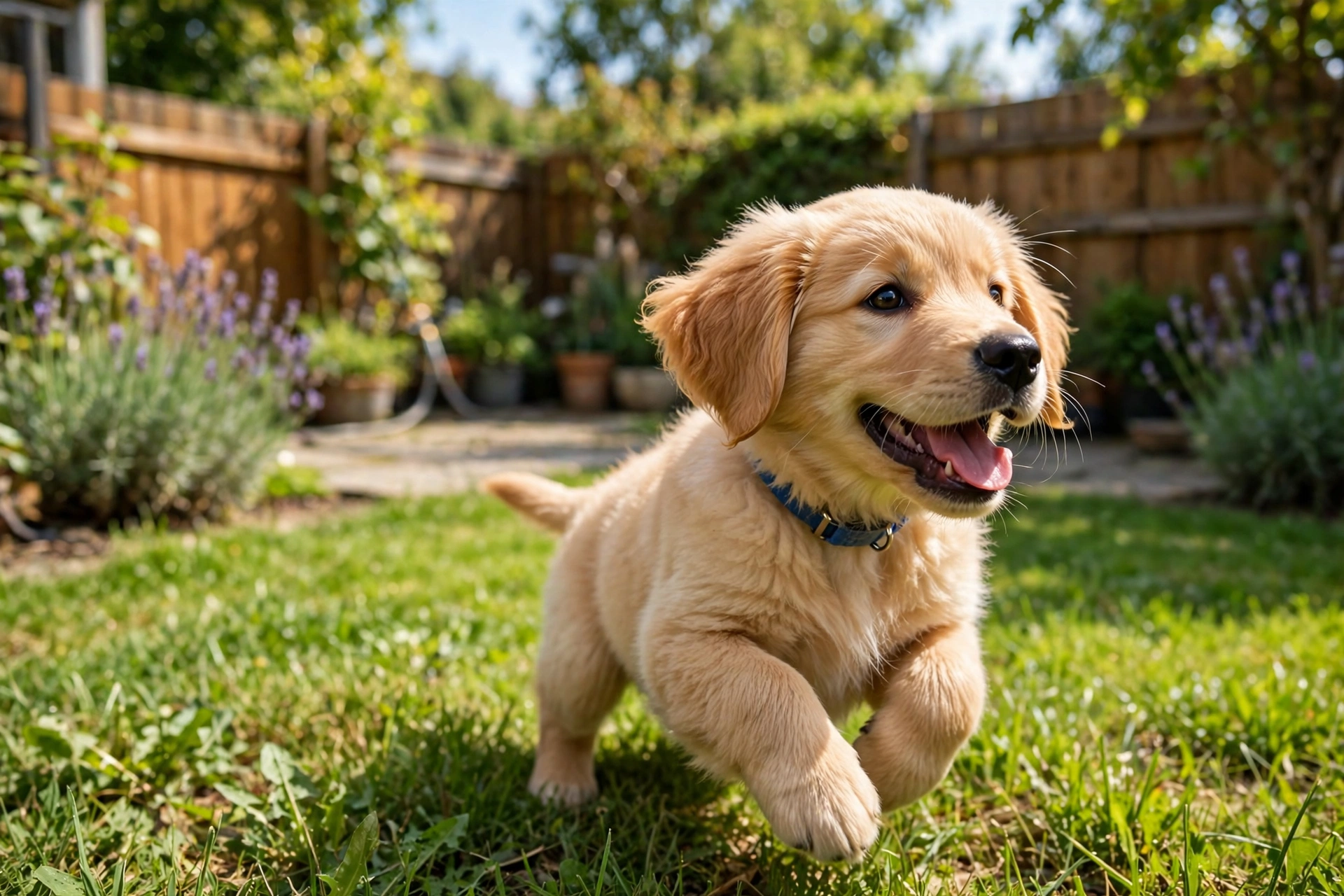
Why Do Puppies Eat Poop? Understanding Coprophagia
There is rarely a single reason. Most puppies land on this habit through a mix of instinct, opportunity, and circumstance. Here are the most common causes.
1. It starts as a natural instinct
In the wild, mother dogs lick their newborn puppies to stimulate elimination and then ingest the waste to keep the den clean and free of scents that could attract predators. Puppies raised around their mother observe this, and puppies raised in kennels or yards where waste is not cleaned promptly may simply copy what they see. What looks disgusting to humans is, to a dog, basic housekeeping.
2. Puppies explore the world with their mouths
Young puppies investigate everything orally — shoes, sticks, leaves, and yes, poop. Stool has a strong smell, and to a curious puppy nose, a strong smell means “worth investigating.” Many puppies sample it once or twice out of pure curiosity. The problem starts when that sampling turns into a repeated habit.
3. Nutritional gaps
A puppy eating a low-quality diet, eating too little, or struggling to absorb nutrients may seek out undigested food matter in stool. Dogs with enzyme deficiencies or digestive issues sometimes do this because their bodies are not extracting everything from their meals. This does not mean you should self-diagnose a deficiency — but it does mean diet is worth reviewing with a veterinarian, especially if the habit appears alongside weight loss, dull coat, or inconsistent stools.
4. Boredom, anxiety, and confinement
Puppies left alone for long stretches in a yard or kennel — with little to do and waste within reach — may develop stool-eating simply because there is nothing better to do. Anxious puppies sometimes develop it as a coping behavior, similar to excessive licking or chewing. In these cases, the poop-eating is a symptom of an unmet need, not the core problem.
5. Attention-seeking
Dogs are excellent students of human drama. If the first time a puppy sniffed poop, the owner sprinted across the yard screaming, the puppy learned something valuable: touching poop makes the human appear instantly and excitedly. From the puppy’s perspective, that is a fantastic game. Any big reaction — chasing, yelling, frantic waving — can accidentally reward the behavior.
6. Taste, smell, and opportunity
Commercial dog food is highly digestible, but not perfectly so, and some undigested fats and proteins pass through. To a dog’s nose, that smells like food. Cat feces are an even bigger draw because cat food is richer in protein and fat — which is why so many dogs raid litter boxes. Other dogs’ stool, wildlife droppings, and horse manure are all fair game in a puppy’s mind. If it is available and smells interesting, many puppies will try it.
7. Medical causes
In some cases, coprophagia has a medical driver: intestinal parasites, diabetes, Cushing’s disease, thyroid problems, pancreatic insufficiency, or medications that sharply increase appetite (such as steroids). A puppy that suddenly starts eating stool as an adolescent or adult — particularly with changes in appetite, thirst, weight, or energy — should see a veterinarian rather than just a trainer.
Is Eating Poop Dangerous for Puppies?
The honest answer: usually not an emergency, but not harmless either.
The main risks come from what might be living in the stool. Intestinal parasites such as roundworms, hookworms, and whipworms spread through feces, as do protozoa like giardia. Parvovirus — a potentially fatal illness for unvaccinated puppies — is shed in the stool of infected dogs, which makes eating unknown dogs’ feces at parks or on walks a genuine concern. Bacterial infections are also possible.
Puppies that eat wildlife or cat feces face additional risks, since those animals are not on a deworming schedule.
Watch for warning signs after stool-eating: vomiting, diarrhea, lethargy, visible worms in the stool, a bloated belly, or weight loss. Keep vaccinations and deworming on schedule, and mention the habit at your puppy’s next vet visit so a fecal test can be run if needed. For a healthy, vaccinated puppy eating its own stool in a clean yard, the risk is low — but it is never zero, which is one more reason to stop the habit.
How to Stop Your Puppy Eating Poop
There is no single magic fix. The puppies that kick this habit fastest are the ones whose owners combine several strategies at once — and stay consistent. Here is what actually works, in order of impact.
Step 1: Clean up immediately — every single time
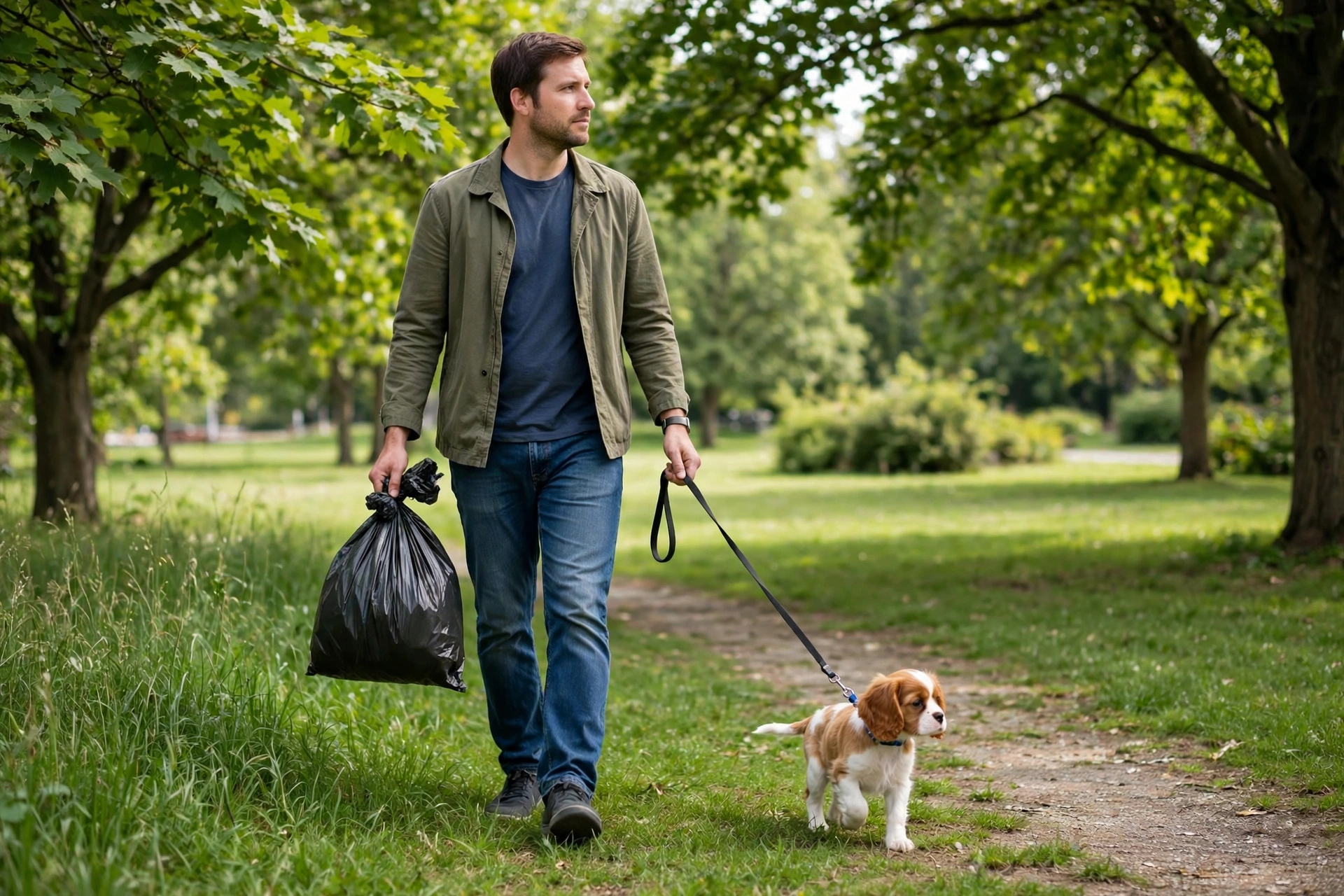
This is the most effective step by a wide margin, and it is pure management rather than training. Supervise your puppy in the yard, and pick up waste right away. On walks, keep the leash short enough that you can steer your puppy away from anything on the ground.
If there is nothing available to eat, the habit cannot be practiced — and habits that cannot be practiced fade. Many owners are surprised how quickly the behavior drops off once the opportunity disappears.
Step 2: Teach a solid “leave it”
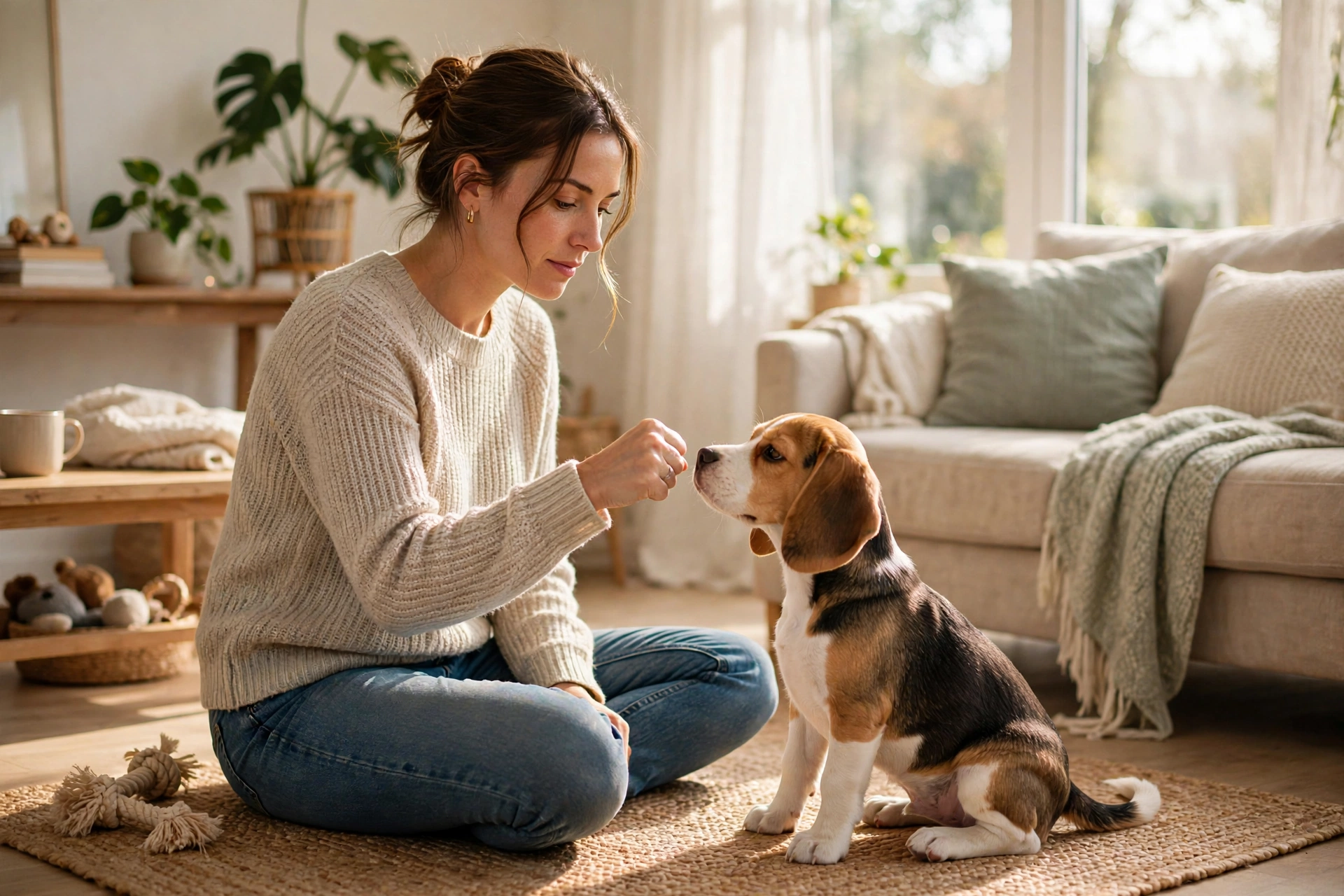
A reliable “leave it” cue gives you a way to interrupt the behavior in real time, especially on walks where you cannot control the environment. Train it in short, positive sessions:
- Hold a treat in your closed fist and let your puppy sniff and paw at it.
- The moment your puppy pulls away from your fist, mark the behavior (“yes!”) and reward with a different, higher-value treat from your other hand.
- Gradually increase difficulty: treat on the floor with your hand covering it, then uncovered, then dropped items at a distance.
- Practice daily in two-minute sessions until the response is automatic.
Never punish a failed “leave it” — simply manage the situation better next time and keep building the skill.
Step 3: Review the diet
Feed a high-quality, age-appropriate puppy food in the right portions on a consistent schedule — usually three meals a day for young puppies, dropping to two around six months. Avoid constantly switching foods in search of a fix, and never change diets abruptly, which can cause digestive upset.
If you suspect nutrition plays a role, bring the food’s name and feeding amounts to your vet visit and ask directly whether diet could be a factor. Do not add supplements on your own; some can do more harm than good.
Step 4: Rule out medical issues with a vet visit
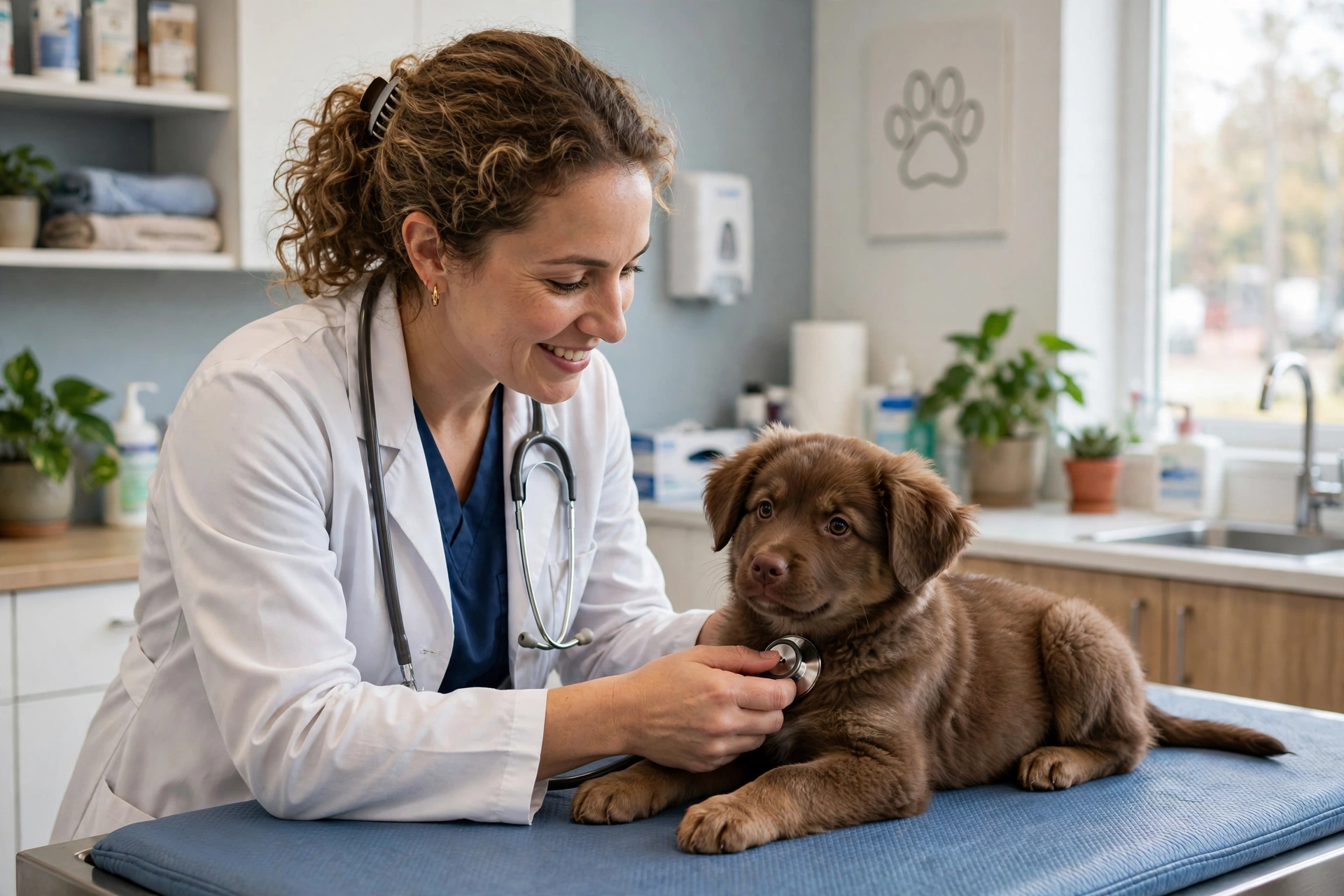
This step is especially important if the habit started suddenly, if your puppy is losing weight or unusually hungry, or if the behavior persists despite good management and training. Your veterinarian may recommend a fecal test for parasites and bloodwork to check for underlying conditions. Treating a medical cause can resolve the behavior on its own.
Step 5: Consider taste deterrents — with realistic expectations
Several commercial products (chews, powders, or food additives) are designed to make stool taste bitter. Some owners report good results; others see no change at all. The evidence is mixed, and these products work best as a supplement to clean-up and training — not a replacement. Check with your veterinarian before using one, particularly for very young puppies.
Step 6: Add exercise and mental enrichment
A tired, mentally satisfied puppy is far less likely to invent gross hobbies. Build daily play, short training sessions, and sniff walks into your routine. Puzzle feeders, frozen stuffed chew toys, and safe chew items give your puppy’s mouth something better to do. Boredom-driven coprophagia often fades once the puppy’s day has more structure.
Mistakes That Make Poop-Eating Worse
Good intentions can backfire. Avoid these common errors:
- Punishing after the fact. A puppy scolded minutes later has no idea what the punishment is for. Worse, some puppies learn to eat stool faster and in secret to avoid getting caught.
- Rubbing the puppy’s nose in it. This outdated advice creates fear and anxiety without teaching anything — and anxious dogs are more prone to compulsive behaviors, not less.
- Chasing the puppy. To a puppy, being chased is a thrilling game. Chasing a puppy away from poop can accidentally train the puppy to grab it and run.
- Big dramatic reactions. Screaming and flailing are exciting. Calmly redirecting with “leave it” and a treat is boring — which is exactly what you want the puppy to associate with poop.
- Inconsistent clean-up. Picking up waste “most of the time” still leaves enough opportunity to keep the habit alive. Intermittent rewards create the strongest habits.
Frequently Asked Questions
Will my puppy grow out of eating poop?
Many puppies do, especially as they mature past six to twelve months and their world gets more interesting. But counting on them to outgrow it is a gamble — some dogs carry the habit into adulthood. Active steps (clean-up, training, diet review) resolve it far faster than waiting.
Can my puppy get sick from eating poop?
Yes, it is possible. Parasites, giardia, and parvovirus all spread through infected feces. The risk is highest with unknown dogs’ stool, wildlife droppings, and cat feces. Keep vaccinations and deworming current, and call your vet if you notice vomiting, diarrhea, or lethargy afterward.
Why does my puppy eat cat poop but ignore dog poop?
Cat food is richer in protein and fat than dog food, which makes cat stool smell and taste more appealing to dogs. The fix is management: keep the litter box completely inaccessible with a baby gate, a covered box with a cat-sized entrance, or a closed door with a cat flap.
Do stool-eating deterrent products actually work?
Results are genuinely mixed. Some owners see the habit stop within days; others notice no difference. They are worth trying as one part of a broader plan, but they rarely work on their own. Ask your veterinarian which product suits your puppy’s age and size.
Should I punish my puppy for eating poop?
No. Punishment after the fact does not teach the puppy anything except to fear you or to hide the behavior. Prevention (clean-up), training (“leave it”), and addressing root causes (diet, boredom, health) are far more effective — and they protect your relationship with your puppy.
When should I call the vet about coprophagia?
Call sooner rather than later if the habit started suddenly in an older puppy or adult dog, if it comes with weight loss, diarrhea, vomiting, or a ravenous appetite, or if your puppy eats a lot of non-food items in general. Even without red flags, mentioning it at the next check-up for a routine fecal test is smart.
The Bottom Line
Discovering that your puppy eats poop is gross, but it is also common, well understood, and fixable. Clean up immediately so the habit cannot be practiced. Teach a cheerful, reliable “leave it.” Review the diet, rule out medical causes with your vet, and keep your puppy’s body and brain busy. Stay calm and consistent, skip the punishment, and most puppies leave this habit behind — leaving you free to enjoy the far more pleasant parts of puppyhood.
Related reads
- Puppy Feeding Schedule by Age: How Often & How Much to Feed
- Puppy Teething Timeline: Week-by-Week Guide for New Owners
- Puppy Peeing Every 10 Minutes? Causes & Fixes

