
You just brought your puppy home, the leash is hanging by the door, and the big question is already on your mind: when can puppies go outside?
Here is the short answer: most puppies can start exploring public places safely at around 16 weeks of age, once their core vaccination course is complete — usually about one to two weeks after the final round of shots. But you do not have to keep your puppy locked indoors until then. There is a whole world of safe, smart things you can do outside with an unvaccinated puppy — and the early weeks are when your puppy’s brain is most open to new experiences.
This guide covers the vet-approved safe age, why the wait exists, the typical vaccination timeline, what you can safely do before the shots are finished, and the rules for those first real outings.
The Short Answer: When Can Puppies Go Outside?
For public places — sidewalks, parks, trails, pet stores, anywhere unknown dogs go — the widely recommended age is around 16 weeks, after the final round of core vaccinations plus a short waiting period for immunity to build.
That waiting period matters. Vaccines do not create instant protection — after the last shot, your puppy’s immune system needs roughly 7 to 14 days to build a full response. Many vets therefore clear puppies for public outings at about 16 to 18 weeks.
For private spaces, the rules are different: a clean, enclosed backyard that no unknown dogs visit is generally considered safe from day one, and carrying your puppy in your arms is safe at any age — no nose-to-ground contact.
One important note: vaccination schedules vary a little by region, vet, and vaccine brand. Treat everything below as the typical schedule, and confirm the exact timing with your own vet — they know the disease risks in your specific area.
Why Vets Ask You to Wait: The Diseases Behind the Rule
The waiting rule is not about being overprotective. It exists because of a handful of serious, sometimes fatal diseases that spread easily through the environment — and young puppies are the most vulnerable targets.
Canine parvovirus (parvo) is the big one behind most of the “wait until 16 weeks” advice. It causes severe vomiting, bloody diarrhea, and rapid dehydration, and it kills a frightening share of the unvaccinated puppies it infects. The virus survives in soil and on surfaces for months, sometimes over a year. It spreads through infected feces — and microscopic traces on a sidewalk, a shoe, or another dog’s paws are enough. Your puppy does not need to meet a sick dog to catch parvo; sniffing the wrong patch of grass can do it.
Canine distemper attacks the respiratory, gastrointestinal, and nervous systems, progressing from fever and coughing to seizures and lasting neurological damage. There is no cure, and survival rates in young puppies are poor. It spreads through airborne droplets and shared surfaces, which is why crowded dog areas are risky.
Canine adenovirus (hepatitis) can be fatal in young puppies, while leptospirosis is a bacterial infection spread through the urine of wildlife and other animals — contaminating puddles, ponds, and damp soil. It can infect humans too.
Notice the pattern: your puppy does not need direct contact with a sick dog. Contaminated ground, shared water bowls, feces on a trail, urine in a puddle, paws and shoes carrying virus particles — the environment itself is the carrier. That is why vets draw the line at ground contact in public places, not at going outside altogether. A puppy carried in your arms through a park faces almost none of this risk; a puppy sniffing and licking the same park’s grass faces all of it. That distinction is the key to everything below.
The Typical Puppy Vaccination Timeline
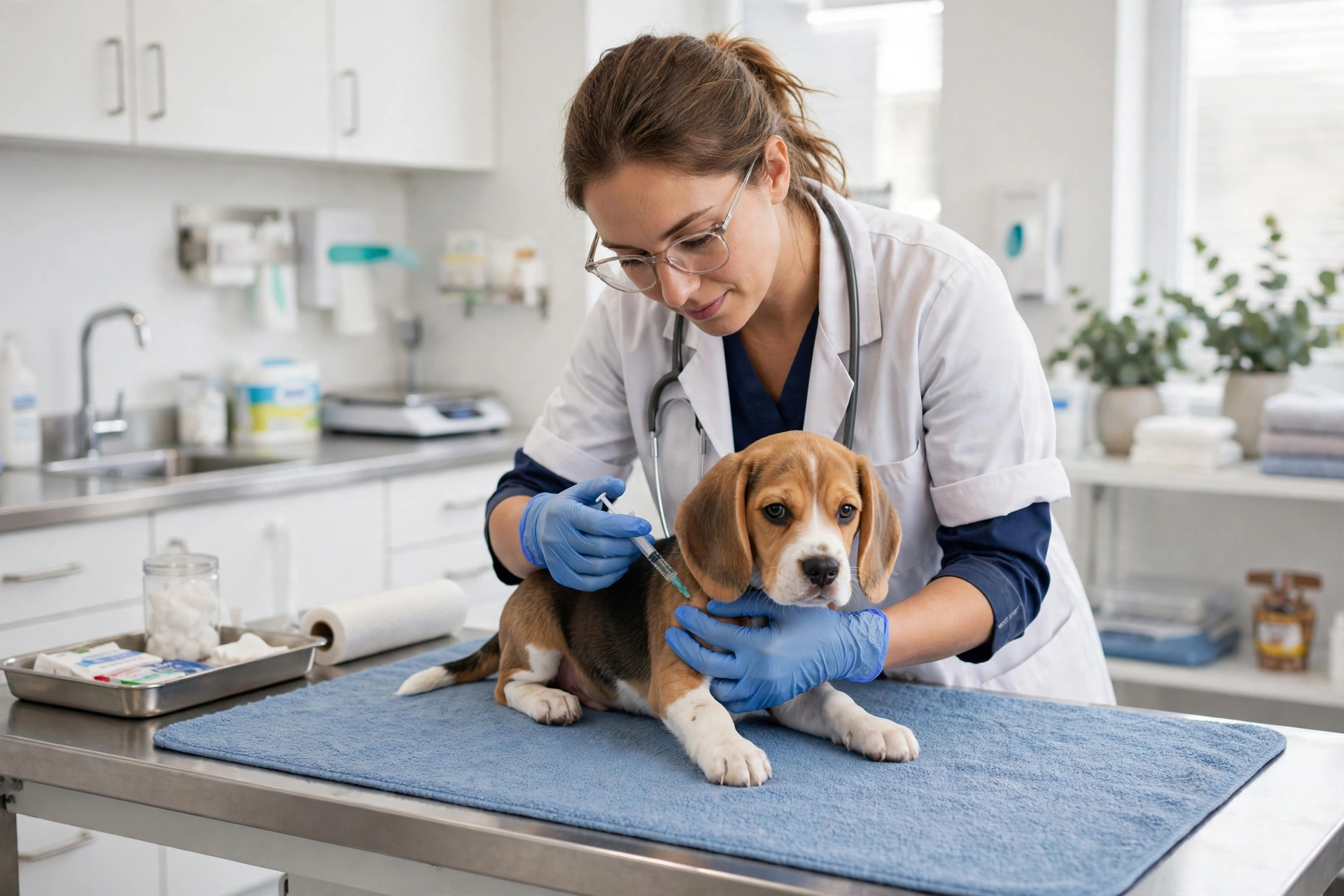
Puppies do not get one shot and become protected — they get a series. Antibodies passed from the mother protect newborns but also block vaccines from working, and they fade at different rates in different puppies (usually between 6 and 16 weeks). Repeated rounds make sure at least one lands in the window after maternal protection fades but before disease strikes.
| Age | What typically happens | Why it matters |
|---|---|---|
| 6–8 weeks | First DHPP round (distemper, hepatitis, parainfluenza, parvovirus) | Starts building immunity; often given by the breeder or shelter before you bring your puppy home |
| 10–12 weeks | Second DHPP round; bordetella (kennel cough) often added | Boosts the first round; kennel cough protection matters if your puppy will meet other dogs |
| 14–16 weeks | Third DHPP round; rabies vaccine (timing varies by local law) | Usually the final core round; rabies is legally required in most places |
| ~16+ weeks | Full protection develops, about 1–2 weeks after the last round | Immune system has had time to respond — when vets typically clear public outings |
DHPP is the core combination vaccine most vets use. Your vet may add leptospirosis, bordetella, or canine influenza depending on your area and your puppy’s lifestyle. After the puppy series, expect a booster around one year of age. Keep your vaccination records somewhere safe — boarding facilities, trainers, and groomers will ask for them.
And the line worth repeating: this is the typical schedule, not a prescription. If your vet recommends a slightly different rhythm for your area, follow your vet.
Safe Outings Before Vaccinations Are Done
Keeping your puppy away from contaminated ground is not the same as keeping your puppy away from the world. The critical socialization window — roughly 3 to 14 weeks — is when puppies form lifelong impressions of what is normal and safe. Vets and behaviorists agree: socialize early, but skip the disease risk.
Carry your puppy everywhere
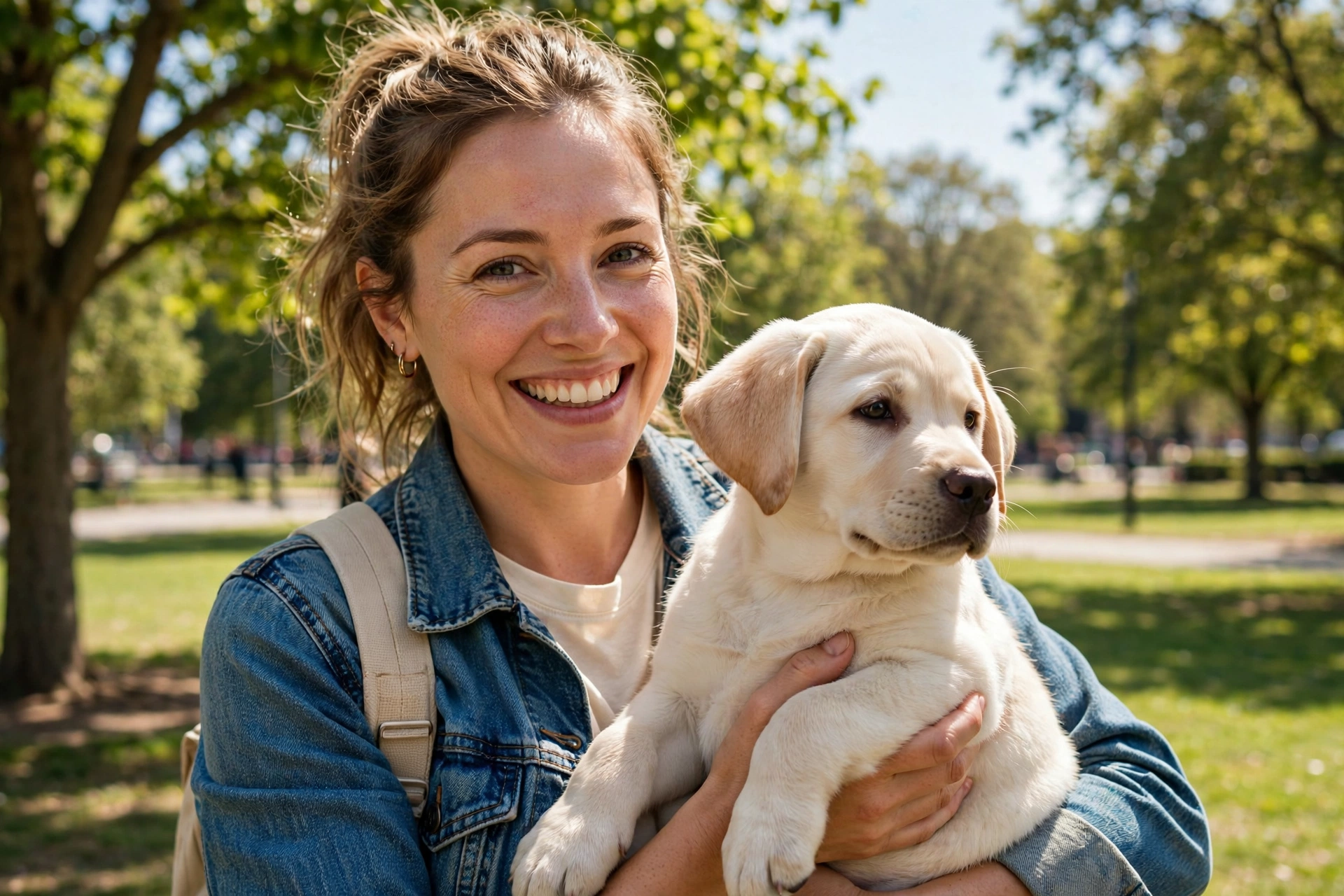
Your arms (or a sling, or a pet stroller) are a disease-free viewing platform. Carry your puppy through the neighborhood, past a school at pickup time, near a bus stop, around a farmers market. Let them watch bicycles, umbrellas, crying toddlers, and shopping carts go by. Every calm observation builds confidence, and since their paws never touch the ground, the disease risk is essentially zero. Keep sessions short — if your puppy shrinks back or burrows into your jacket, increase the distance or head home.
Take car rides
The car is another safe bubble. Drive-throughs, parking lots (puppy stays in the car or your arms), and slow drives through busy streets all count as socialization. Traffic sounds and vibrations become background noise instead of scary novelties.
Sit on a blanket in a quiet spot
Bring a clean blanket to a quiet corner of a park — somewhere dogs do not usually go — and sit with your puppy on it. They get ground-level sights, sounds, and smells without nose-to-ground contact with high-traffic areas. Bring a chew, keep it short, and let the world come to them.
Invite the right visitors home
Your home is a controlled environment, so use it. Invite calm, fully vaccinated, healthy adult dogs over for short, supervised visits — a stable adult dog teaches a puppy more about polite manners in twenty minutes than weeks of puppy-only play. Invite people too: tall people, kids (supervised), people with beards or hats. Friendly novelty now prevents fearful barking later.
Your Backyard: The Safest Outdoor Classroom
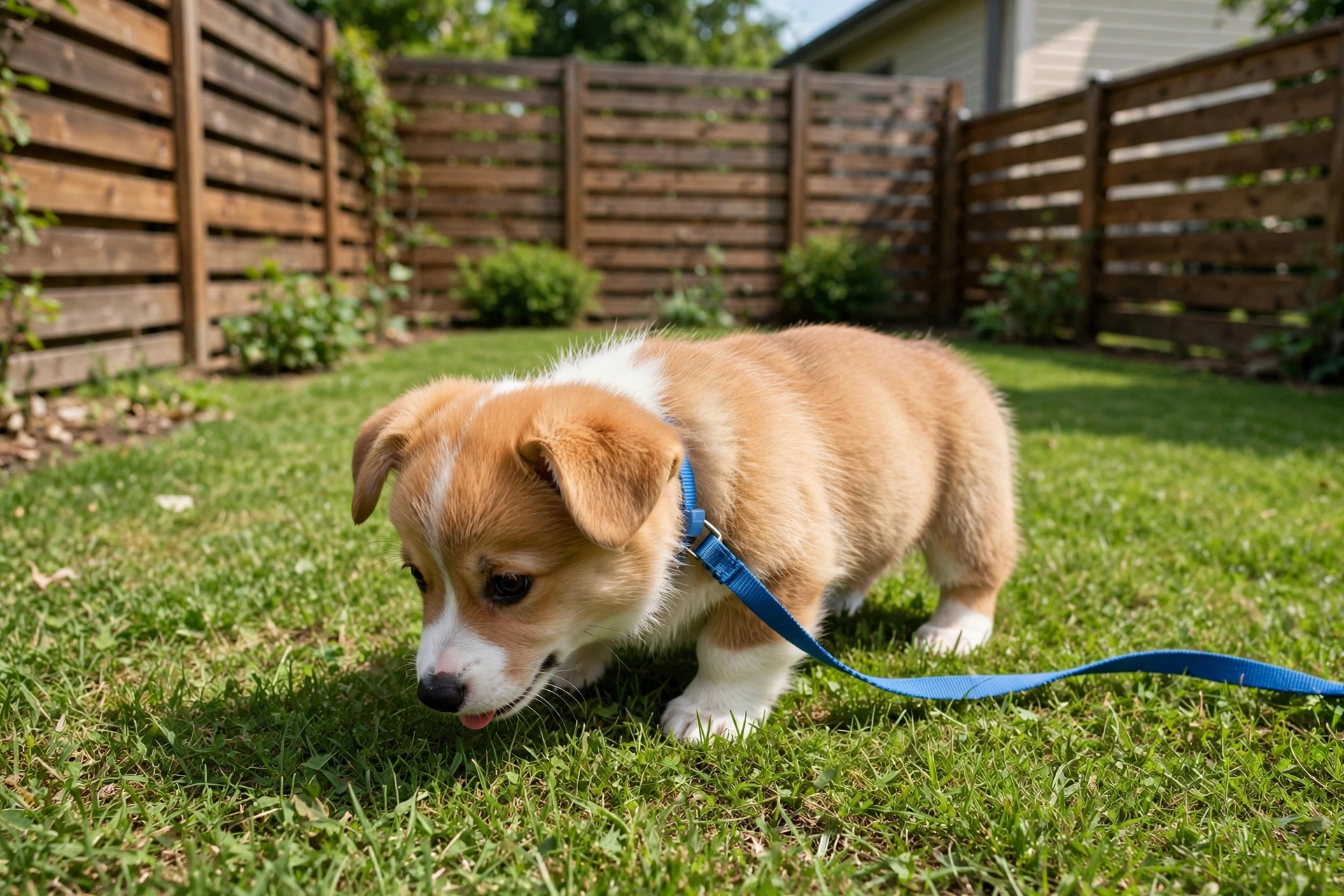
A private, enclosed yard that strange dogs do not visit is generally considered safe from day one — and it is the best training ground an unvaccinated puppy can have. Let your puppy feel grass, concrete, and gravel under their paws. Let them hear lawnmowers and neighbors’ voices. Practice recall across the yard, start leash walking, and do short training sessions there daily. By the time your puppy is cleared for the wider world, they will already know their name, basic cues, and how a leash feels.
A few rules still apply: pick up waste promptly, since parasites spread through feces. Do not let your puppy drink from stagnant puddles or chew unknown plants. If wildlife passes through your yard, mention it to your vet. No private yard? A balcony or patio works the same way. The principle is simple: spaces only your puppy uses are safe; spaces every dog in the neighborhood uses are not.
Puppy Kindergarten Done Right
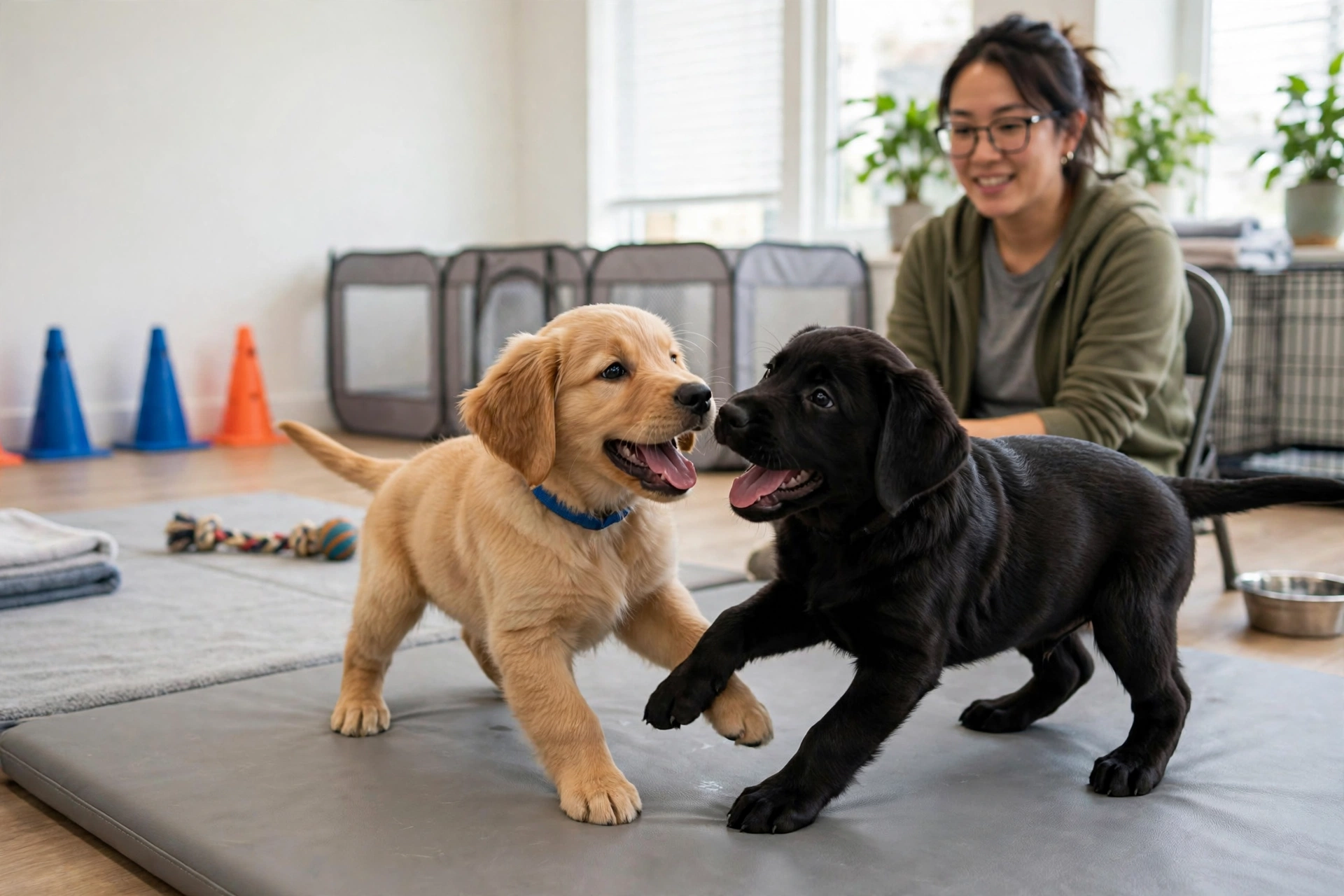
Well-run puppy kindergartens are the deliberate exception to the waiting rule, and most vets actively recommend them. Reputable classes require proof of at least the first vaccination round plus a vet health check, turn away sick puppies, sanitize floors with veterinary-grade disinfectants between classes, and keep groups small and supervised.
Look for a class run by a certified trainer that asks for vaccination records before enrolling you and focuses on socialization and gentle handling. Ask your vet for a recommendation. The same logic applies to private playdates: one or two known, healthy, fully vaccinated dogs in a clean private space.
Rules for the First Real Outings
The day your vet gives the all-clear is exciting — and it is the day to start smart, not big.
Keep it short. Ten to fifteen minutes is plenty. A young puppy’s attention and legs tire fast, and an overtired puppy stops learning. Two short outings beat one long one.
Go in daylight on quiet routes. Start with calm residential streets rather than the busiest park in town. Repeat the same route a few times — familiarity builds confidence.
Choose clean, low-traffic ground. Prefer paved paths and well-kept areas over patches of grass every neighborhood dog uses as a bathroom, at least for the first outings.
Use a harness and leash, every time. A well-fitted harness gives control without pressure on a young puppy’s throat. Keep the leash loose enough for sniffing — sniffing is how puppies read the news — but short enough to redirect away from anything questionable.
Bring your own water. Carry fresh water and a collapsible bowl. Communal bowls at parks can harbor bacteria and viruses, so always offer your own.
Watch the mouth. Puppies explore orally, and the world is full of things mouths should not touch: discarded food, cigarette butts, unknown feces, stagnant water. Keep your eyes on what your puppy sniffs and be ready with a cheerful “leave it” — a cue worth practicing at home first.
Reward calm behavior generously. Reward walking politely past distractions, sitting while a jogger passes, or checking in with you voluntarily. You are teaching your puppy that the outside world is interesting but you are the most interesting thing in it.
Places to Avoid Until Protection Is Complete
Some places concentrate the exact risks the waiting rule is about. Keep your unvaccinated puppy away from these:
- Dog parks — high dog traffic, unknown vaccination status, communal ground. Even after full vaccination, wait until your puppy has leash manners and recall before attempting one.
- Pet stores — dozens of dogs pass through daily. Fun later; risky now.
- Highway rest stops and busy trailheads — maximum stranger-dog traffic on every patch of grass.
- Communal water bowls anywhere — bring your own.
- Standing water or areas with heavy wildlife traffic — leptospirosis spreads through contaminated water and urine.
- Anywhere with visible feces on the ground. If owners are not picking up, assume the ground is contaminated.
Signs It’s Time to Head Home
Young puppies are terrible at pacing themselves — they run on excitement past the point of tiredness, then crash into crankiness. End the outing on a good note before these escalate:
- Lagging behind or lying down — the clearest “I’m done” signal there is.
- Heavy panting that does not settle after a short rest in the shade.
- Whining, repeated yawning, or lip-licking with no food around — classic stress signals.
- Shutting down — refusing favorite treats, tucking the tail, hiding behind your legs.
- Flipping into wild mode — sudden zoomies, leash nipping, jumping on you. Overtired puppies often get wilder, not sleepier.
When you see these, head home cheerfully, offer water, and let your puppy nap. Ending early keeps every outing a happy memory.
Frequently Asked Questions
Can I take my 8-week-old puppy outside?
Yes — with boundaries. Your private backyard is fine from day one, and being carried through the neighborhood is fine. Letting your 8-week-old walk on public ground where unknown dogs go is not yet. Think “outside, yes; public ground, not yet.”
When can puppies go outside after the second vaccination?
After the second round your puppy has more protection than after the first — but not full protection. Maternal antibodies mean no single round can be trusted to have “taken.” Most vets still advise waiting for the full course plus the 1–2 week immunity-building period. The second shot is progress, not a green light.
Is it safe for my puppy to meet other dogs before vaccinations are finished?
It depends on which dogs. Calm, healthy, fully vaccinated adult dogs in your home or a clean private space are generally considered safe and beneficial. Random dogs at the park: not yet. Keep the guest list short and health-checked.
Can I carry my unvaccinated puppy outside for walks?
Absolutely. Carried outings are one of the best tools you have during the waiting period — sights, sounds, and smells with essentially no disease risk, since there is no contact with contaminated ground. Many trainers consider carried socialization non-negotiable for raising a confident dog.
When can my puppy go to a dog park?
After full vaccination is the minimum — and even then, go slow. Wait until your puppy has basic leash manners and a reasonable recall. Choose off-peak hours, keep the first visit short, and leave at the first sign of overwhelm.
What if my puppy eats something gross outside?
Stay calm — panicking teaches your puppy to gulp faster next time. Cheerfully trade for a high-value treat (“drop it” practiced at home makes this easy). If your puppy may have eaten something toxic, or shows vomiting, drooling, or lethargy afterward, call your vet right away. When in doubt, a quick call costs nothing.
The Bottom Line
So, when can puppies go outside? Public ground: around 16 weeks, once the vaccination course is complete and immunity has had a week or two to build — confirmed with your own vet. But your puppy’s world does not have to stay small until then. Your backyard, your arms, the car, well-run puppy classes, and visits from healthy vaccinated dogs give your puppy a rich, safe early education.
The waiting rule was never “stay inside.” It was always “stay off contaminated ground.”
Related reads
- Why Does My Puppy Eat Grass? When to Worry
- What Age Do Puppies Calm Down? Timeline by Breed Size
- Puppy Sleep Schedule by Age: How Much Sleep Do Puppies Need?

