
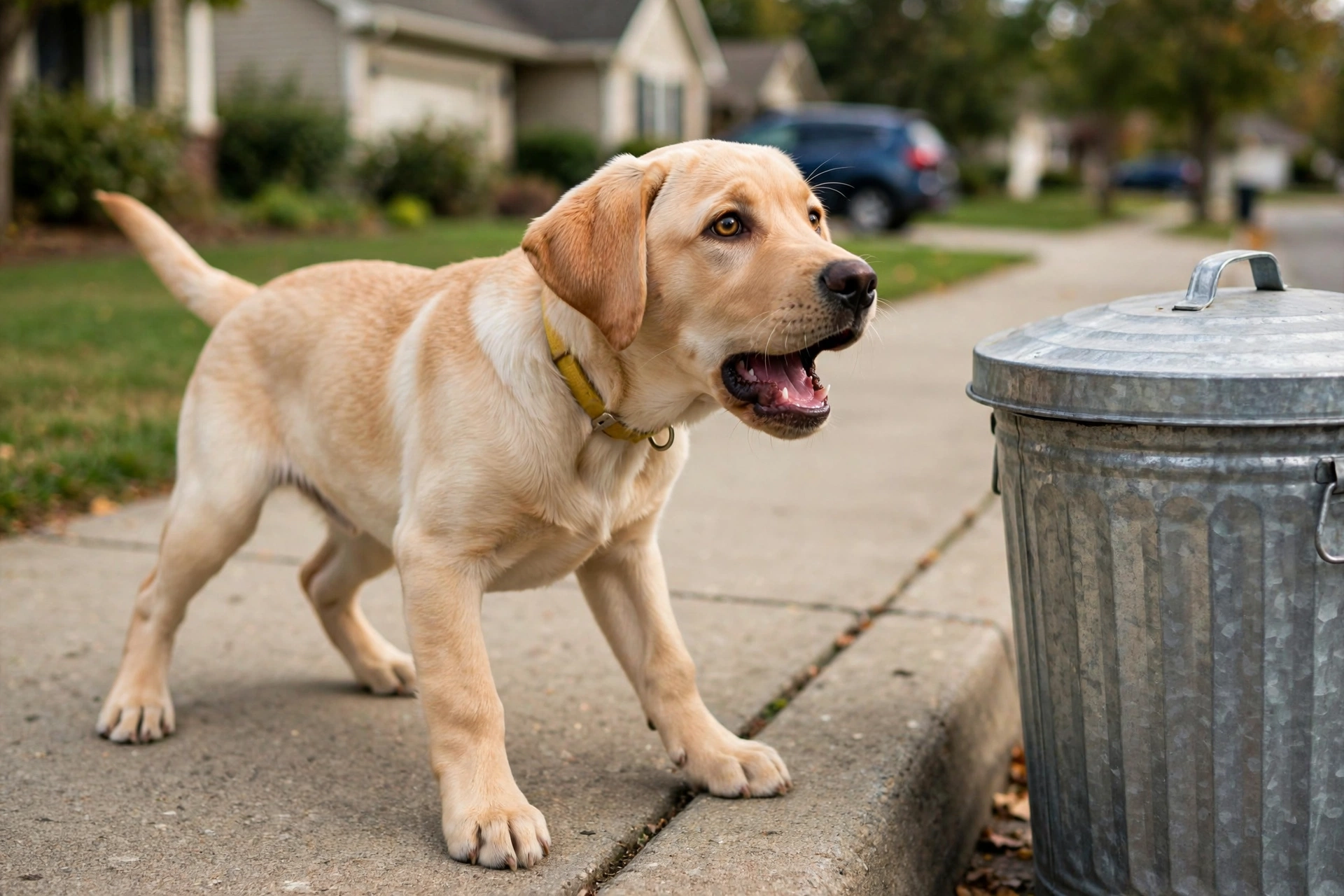
Yesterday, your puppy was fearless — charging up to strangers, investigating every corner of the house, treating the vacuum cleaner like background noise. This morning, the same puppy froze at the sight of a trash can, barked at a neighbor they’ve met ten times, and refused to walk past a parked bicycle.
Nothing bad happened. Nobody scared them. So what changed overnight?
Quite possibly, your puppy has entered a fear period — a normal developmental stage when a young dog’s brain temporarily becomes extra sensitive to new or unfamiliar things. It looks alarming, but it’s one of the most well-documented phases in canine development. And how you handle these few weeks matters more than most owners realize.
What Are Puppy Fear Periods?
A puppy fear period is a developmental window during which a young dog becomes unusually cautious, startled, or frightened by things they previously ignored — or never encountered at all. It’s not a sign of trauma, bad breeding, or failed socialization. It’s neurology.
During these phases, a puppy’s brain is rapidly maturing, learning to sort the world into “safe” and “potentially dangerous.” In the wild, young animals that developed a healthy suspicion of unfamiliar things at the right age survived longer. Your puppy is running ancient software — and it’s working as designed.
Here’s the critical part: experiences during a fear period carry extra weight. A single frightening encounter during this window can imprint far more deeply than the same encounter would a month earlier or later. That’s why trainers and behaviorists treat fear periods with so much respect — not because the fear itself is dangerous, but because what happens during it can shape your dog’s confidence for years.
The good news: most puppies pass through fear periods in two to three weeks and come out the other side just fine — provided the people around them respond the right way.
The Two Fear Periods: When They Happen
Most puppies go through two distinct fear periods in their first year and a half. The timing is predictable enough that behaviorists can practically set a calendar by it — though individual puppies and breeds vary.
First Fear Period: 8–11 Weeks
The first fear period typically hits between 8 and 11 weeks of age — which, not coincidentally, is exactly when most puppies leave their littermates and move into a new home. Everything is unfamiliar at once: new people, new smells, new sounds, new rooms, new rules.
During this window, puppies may startle at ordinary household noises, hesitate at doorways, or act wary of visitors they met happily a few days earlier. Because this phase overlaps with the critical socialization window, the goal is gentle, positive exposure — new experiences in small, controlled doses, never overwhelming.
This is also why the first vet visits, car rides, and introductions during this age deserve extra care. Keep them short, calm, and paired with good things.

Second Fear Period: 6–14 Months
The second fear period is the one that blindsides owners. It arrives during adolescence — between roughly 6 and 14 months — when your dog looks nearly grown and you assumed the fragile baby stage was over. Behaviorist Patricia McConnell famously called this phase “juvenile onset shyness,” which captures it perfectly.
Suddenly, a previously confident young dog may start barking at strangers, acting suspicious of familiar objects in new locations, or startling at sounds they used to sleep through. It can genuinely look like regression — like all your training and socialization work evaporated overnight.
Timing varies by size: small breeds often hit this phase earlier (around 6–9 months), large breeds later (10–14 months), and giant breeds sometimes as late as 14–17 months. Hormonal changes, ongoing brain development, and growing independence all collide during adolescence, which is why this phase can feel so dramatic.
Some dogs also show milder sensitivity blips around 4–6 months (often overlapping with teething) and again near social maturity at 14–18 months. Not every puppy shows every phase obviously — intensity varies enormously between individuals.
9 Signs Your Puppy Is in a Fear Period
What separates a fear period from ordinary caution is the sudden onset. These behaviors appear seemingly out of nowhere, often directed at things your puppy previously accepted without a thought:
- Startling easily — flinching or jumping at sudden sounds or movements that never bothered them before.
- Barking at familiar things — the trash can on your street, a statue in the park, a neighbor they’ve greeted for months.
- Cowering, crouching, or hiding — making themselves small, tucking their tail, or retreating behind you or under furniture.
- Refusing to walk — planting their feet, pulling toward home, or declining walks they used to enjoy.
- Becoming clingy — shadowing you more intensely, seeking physical contact, struggling to settle alone.
- Freezing in place — going statue-still when something unfamiliar appears, unable to move forward.
- Stress signals — lip licking, yawning when not tired, panting when not hot, whale eye (showing the whites of their eyes).
- Avoidance — giving wide berths to objects, people, or areas they used to approach casually.
- Apparent regression — acting “less trained” overall: more reactive, less focused, harder to settle. This isn’t disobedience — it’s a distracted, worried brain.
Not every puppy shows all nine. Some show two or three mildly; others seem to check every box. Both are normal.
What NOT to Do During a Fear Period
Most of the damage done during fear periods isn’t caused by the fear itself — it’s caused by well-meaning owners responding the wrong way. Avoid these five mistakes:
1. Don’t Force Them to “Face Their Fear”
Dragging a frightened puppy toward the scary thing — the classic “flooding” approach — is the single most harmful thing you can do during this window. Forcing confrontation doesn’t build courage; it confirms the puppy’s suspicion that the thing really is dangerous, and it teaches them that you can’t be trusted to keep them safe. The memory can stick for years.
2. Don’t Punish Fearful Behavior
Scolding a puppy for barking, cowering, or refusing to walk is punishing an emotion, not a choice. Your puppy isn’t being stubborn or disobedient — they’re frightened. Punishment adds a second bad experience on top of the first and reliably makes fear worse, sometimes tipping it toward defensive aggression.
3. Don’t Overwhelm Them With “Socialization”
The instinct to “socialize through it” — busy parks, crowded events, streams of new visitors — backfires during a fear period. Socialization only works when experiences stay positive. During this window, lower the intensity: fewer new things, shorter outings, familiar routes. You’re not pausing socialization; you’re turning down the volume.
4. Don’t Make It a Big Dramatic Event
When your puppy spooks, your reaction teaches them how to interpret the moment. Frantic comforting — gasping, scooping them up while cooing “oh no, it’s okay, it’s okay!” — can signal that there really was something to panic about. Calm, matter-of-fact reassurance is fine (a quiet word, a gentle hand), but keep your energy boring. You’re the emotional anchor; act like nothing is wrong, and your puppy will borrow your calm.
5. Don’t Write Off Real Problems as “Just a Phase”
The flip side: not everything is a fear period. If fear is extreme, generalized (scared of everything, not specific triggers), or drags on for months with no improvement, that’s beyond a developmental phase — and waiting it out wastes valuable time.
What TO Do: 8 Ways to Help Your Puppy Through It
The goal during a fear period is simple: don’t create negative associations, and let your puppy work through the phase at their own pace. Here’s how.
1. Be Their Calm, Boring Safe Base
Your puppy is looking to you for a read on the situation. Stand near the scary thing casually, relaxed posture, neutral voice — as if it’s the most unremarkable object in the world. Many puppies will watch your calm, decide there’s nothing to worry about, and investigate on their own within minutes.
2. Always Let Them Retreat
A frightened puppy must always have an escape route — physical and social. Never corner them, hold them in place near something scary, or block their retreat to you or their crate. Knowing they can leave is often what gives a puppy the confidence to stay and investigate. Choice is the antidote to fear.
3. Reward Bravery, Not Fear
Watch for the moments your puppy chooses courage: a step toward the scary object, a curious sniff, a relaxed glance away. Mark those exact moments — a quiet “yes,” a treat, a calm word of praise. Over days, this builds a puppy who learns that investigating unfamiliar things pays off.
4. Keep Exposures Short, Voluntary, and Low-Intensity
Want your puppy to accept the vacuum cleaner? Don’t turn it on next to them. Leave it sitting silently in the room for a few days. Scatter treats around it. Let curiosity do the work at the puppy’s pace. Distance and brevity are your tools: every exposure should end while your puppy is still comfortable, not after they’ve hit their limit.

5. Keep Their Routine Steady
During a fear period, predictability is comfort. Keep feeding times, walk routes, bedtime rituals, and daily structure as consistent as you can. A puppy whose world feels wobbly benefits enormously from the parts of life that stay exactly the same.
6. Keep Socializing — Just Gently
Don’t stop exposing your puppy to the world during a fear period; just control the dose. Short, positive outings. Familiar people before strangers. One calm dog instead of a chaotic dog park. End every outing on a good note, even if that means cutting it short.
7. Manage the Environment Temporarily
There’s no prize for toughing it out. If the garbage truck terrifies your puppy, walk at a different time for two weeks. If the hallway statue is a problem, take another route. Reducing unavoidable triggers during the phase isn’t avoidance training gone wrong — it’s smart management that prevents bad experiences while the brain is at its most impressionable.
8. Play Confidence-Building Games
Easy wins build brave puppies. Nose work (hiding treats for them to find), simple trick training with generous rewards, tug games they can win, and exploring novel-but-safe textures and surfaces all teach the same lesson: new things lead to good outcomes.
When It’s More Than a Fear Period: Red Flags
Most fear periods resolve in two to three weeks. But some puppies need more help than patience alone. Contact your veterinarian — who can refer you to a certified veterinary behaviorist if needed — if you see any of these:
- Fear that lasts for months with no improvement, or keeps intensifying instead of fading.
- Generalized fear — scared of nearly everything, not just specific triggers, and unable to relax even in familiar, safe environments.
- Aggression rooted in fear — growling, snapping, or biting when frightened, especially if it’s escalating.
- Shutdown — a puppy who stops playing, stops eating normally, or seems “switched off” rather than just cautious.
- Extreme panic responses — bolting, injuring themselves trying to escape, or prolonged trembling that doesn’t resolve.
- Sudden behavior change with physical symptoms — pain, illness, and vision or hearing changes can all masquerade as fear. A vet check should always come first when fear appears alongside appetite loss, lethargy, or limping.
There’s no shame in getting professional help — the earlier a genuine anxiety issue is addressed, the better the outcome. (Note: this is behavioral guidance based on widely documented developmental stages, not a diagnosis. When in doubt, your vet is the right first call.)
The Bottom Line
Puppy fear periods look dramatic — a confident puppy suddenly scared of a trash can feels like something broke. Nothing broke. Your puppy’s brain is doing exactly what it’s supposed to do: learning, rapidly, what deserves caution.
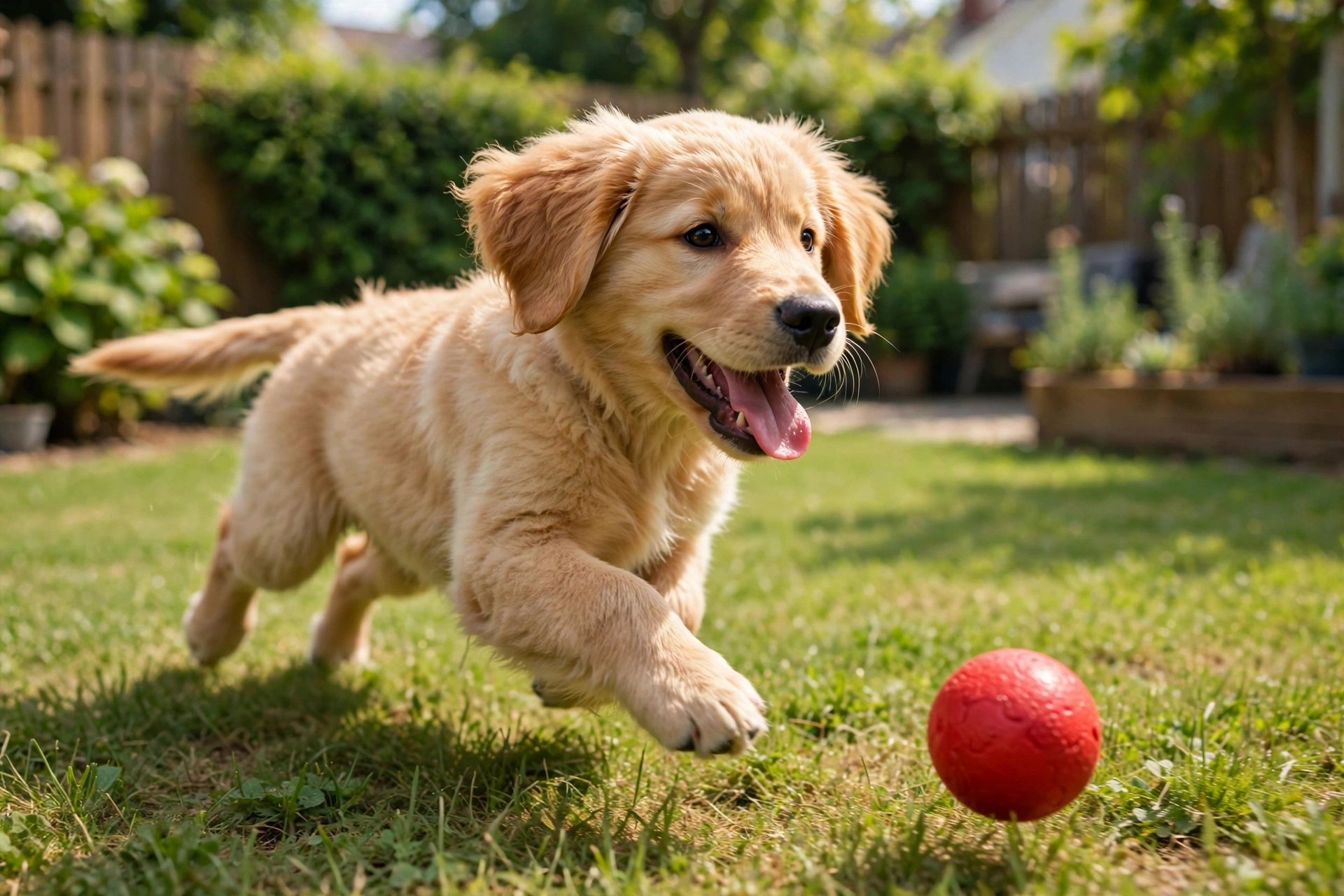
Your job during these few weeks is gloriously simple: stay calm, don’t force anything, reward bravery, and keep the world gentle. Do that, and most puppies sail through both fear periods and come out more confident on the other side.
The puppies who struggle long-term usually aren’t the ones who were scared — they’re the ones whose fear was mishandled during the window when it mattered most. Now you know better.
Frequently Asked Questions
How long do puppy fear periods last?
Typically two to three weeks, though lasting over a month is not unusual. If fear persists for many months with no improvement — or keeps getting worse — it’s likely beyond a normal developmental phase, and a vet visit is the right next step.
Can a fear period permanently damage my puppy?
A single genuinely frightening experience during this window can imprint more deeply than usual — which is exactly why forceful handling during fear periods is so risky. But the phase itself doesn’t damage puppies; most pass through it with no lasting effects when the people around them stay calm and avoid creating bad associations.
Should I still socialize my puppy during a fear period?
Yes — but gently. Don’t stop exposing your puppy to the world; just lower the intensity. Short, positive outings with familiar people and calm environments, ending on a good note. Pausing all novelty isn’t necessary, but overwhelming novelty is counterproductive.
Why is my 8-month-old puppy suddenly scared of strangers?
This is the textbook second fear period, which typically arrives between 6 and 14 months. Suspicion of strangers, new environments, or familiar things in unfamiliar contexts is classic. It usually fades within a few weeks if handled calmly — don’t force greetings, let your puppy observe from a comfortable distance, and reward relaxed behavior.
Is it okay to comfort my scared puppy?
Calm, quiet reassurance is fine — a gentle hand, a steady voice, letting them stay close to you. What to avoid is frantic, dramatic comforting (gasping, panicked cooing, scooping them up in alarm), which can signal to your puppy that there really was something to fear. Think anchor, not alarm.
Do all puppies go through fear periods?
Yes — they’re a universal part of canine development. But intensity varies enormously. Some puppies show barely noticeable caution for a few days; others act dramatically spooked for weeks. Breed, temperament, and individual sensitivity all play a role, and small breeds often experience the adolescent phase earlier than large breeds.
Related reads
- Puppy Training Schedule: What to Teach by Age
- Puppy Blues: Is It Normal to Regret Getting a Puppy?
- Why Does My Puppy Follow Me Everywhere? (Velcro Puppy Guide)

