
You’re stroking your puppy’s soft fur, everyone’s relaxed — and then you hear it. A low, rumbling grrrr from the little ball of fluff in your lap. Your heart sinks. “Is my puppy aggressive? Did I do something wrong?”
Take a breath. A puppy growling when petted is one of the most misunderstood behaviors in dog ownership — and it’s almost never a sign of a “bad” or aggressive dog. Growling is communication, not a character flaw. Your puppy is telling you something, and once you learn to listen, the growling usually fades on its own.
In this guide, you’ll learn the 5 real reasons puppies growl during petting, how to tell play growling from warning growling, exactly what to do (and what to never do), and when it’s time to call a professional.
First: Don’t Panic — Growling Is Communication
Here’s the single most important thing to understand: a growl is information, not an attack. It’s your puppy’s way of saying “I’m uncomfortable” the same way you might say “hey, not so hard” if someone squeezed your shoulder too tight.
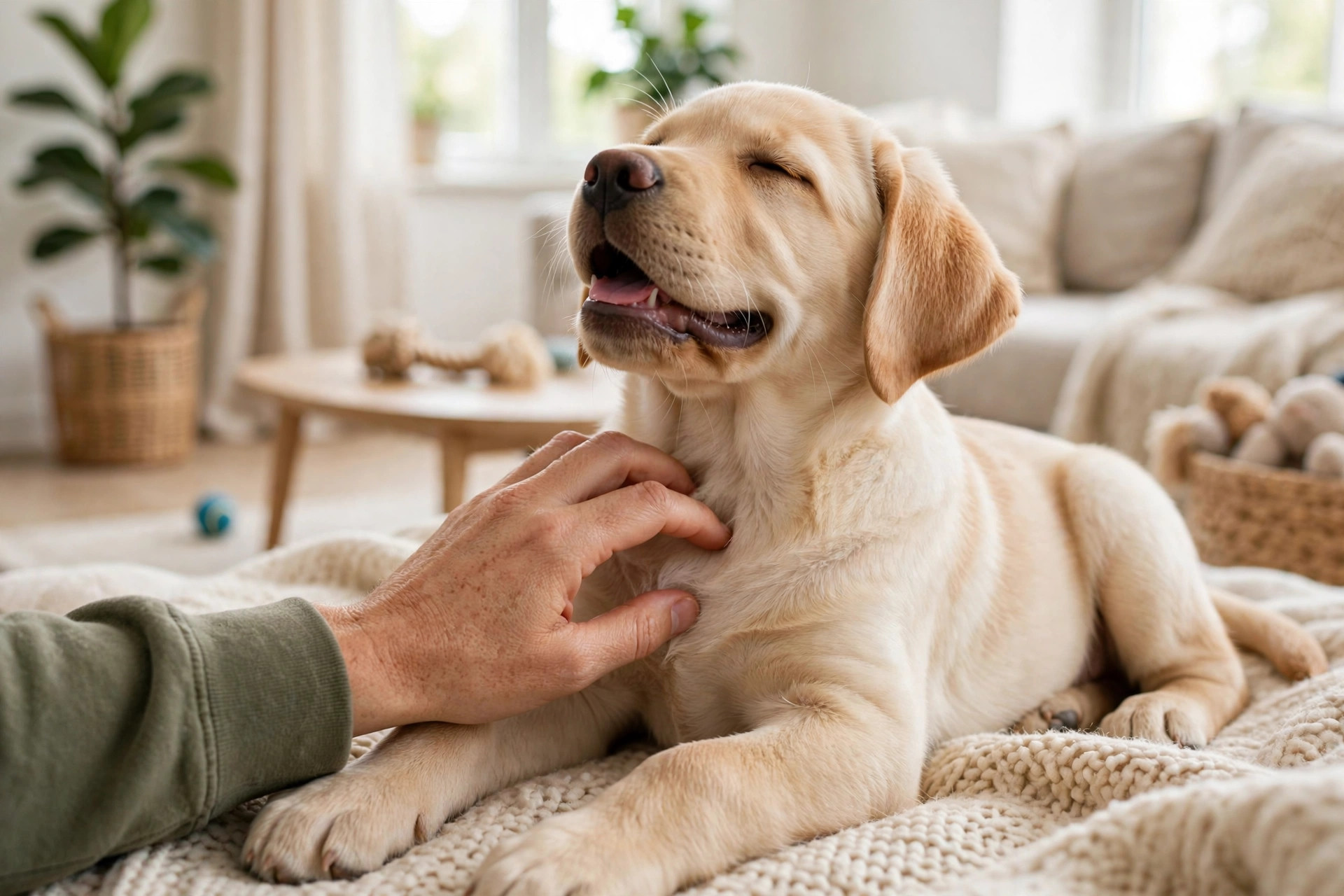
Dogs have a whole ladder of communication signals — lip licking, yawning, turning away, whale eye, freezing — and growling sits partway up that ladder. A puppy who growls is a puppy who is still talking instead of skipping straight to a snap. That’s actually good. The most dangerous dogs aren’t the ones who growl; they’re the ones who learned that growling gets them punished, so they stopped warning altogether.
Think of it like a conversation. Your puppy’s early signals are whispers: a yawn, a turned head, a lick of the lips. Most owners miss whispers — they’re subtle, and we’re busy. So the puppy raises their voice: the growl. If we punish that, the puppy learns that speaking up is dangerous, and next time they may skip every step and go straight to teeth. Every trainer who’s worked with bite cases will tell you the same story: “he never warned us” almost always means the warnings were punished away, not that they never existed.
5 Reasons Your Puppy Growls When You Pet Him
1. Overstimulation (The #1 Reason)
Most petting-growls are simply “too much.” Puppies have a limited tolerance for sustained touching, especially on certain body parts. What starts as pleasant becomes irritating after 30 seconds — like someone tickling you long past the point of fun. Signs it’s overstimulation: the growl starts after a period of happy petting, the puppy was relaxed at first, and stopping the petting ends the growl immediately. The fix is beautifully simple: pet for shorter bursts, watch for early “I’ve had enough” signals (lip licking, head turning), and always let your puppy re-initiate.
Where you pet matters enormously. Studies of dog body language consistently show most dogs prefer chest rubs and scratches at the base of the neck or along the side of the body — and are least fond of pats on top of the head, hugs around the neck, or handling of paws and tail. If your petting sessions always start with a head pat, try switching to a chest scratch and watch what happens. Many “growly” puppies transform into melting puddles of happiness with nothing more than a change of location.
2. Pain or Discomfort
If the growling is new and your puppy previously loved petting, consider pain first. Puppies are masters at hiding discomfort — a growl when you touch a specific spot (ears, paws, belly, tail base) can be the only clue. Ear infections, sore growing joints, a thorn in a paw, or even a matted tangle being pulled can all trigger a pain growl. Rule of thumb: new growling + specific location = vet check first, training second. Never try to train away a growl that might be pain.
3. Fear or Nervousness
Some puppies find human hands looming over them genuinely scary — especially puppies who missed early handling during fear periods or had limited gentle human contact before coming home. The growl says “I’m worried about what’s going to happen.” These puppies often show other fear signals too: cowering, tucking the tail, freezing, or trying to move away. Fear growling needs patience and a rebuilding of trust, never confrontation — much like helping a puppy who’s scared of other dogs, the answer is gradual positive experiences, not flooding.
4. Resource Guarding (Petting Near Valued Items)
Does the growl happen when you pet your puppy while they’re eating, chewing a bone, or holding a favorite toy? That’s resource guarding — the puppy isn’t objecting to the petting, they’re objecting to your proximity to their treasure. It’s a normal canine instinct, not dominance or spite. The fix is counter-conditioning: your approach predicts even better things (approach → toss amazing treat → leave), never forcibly taking things away.
5. Play Growling (Totally Normal)
Many puppies growl during play — while wrestling a toy, during zoomies, or in mock “fights” with your hand. Play growls are higher-pitched, bouncy, and come with a wiggly body, play bows, and a wagging tail. This is just excitement leaking out vocally. No fix needed — it’s healthy play communication, and puppies usually grow out of the noisiest phase.
Play Growling vs Warning Growling: How to Tell
Reading the difference is a skill every owner should have:
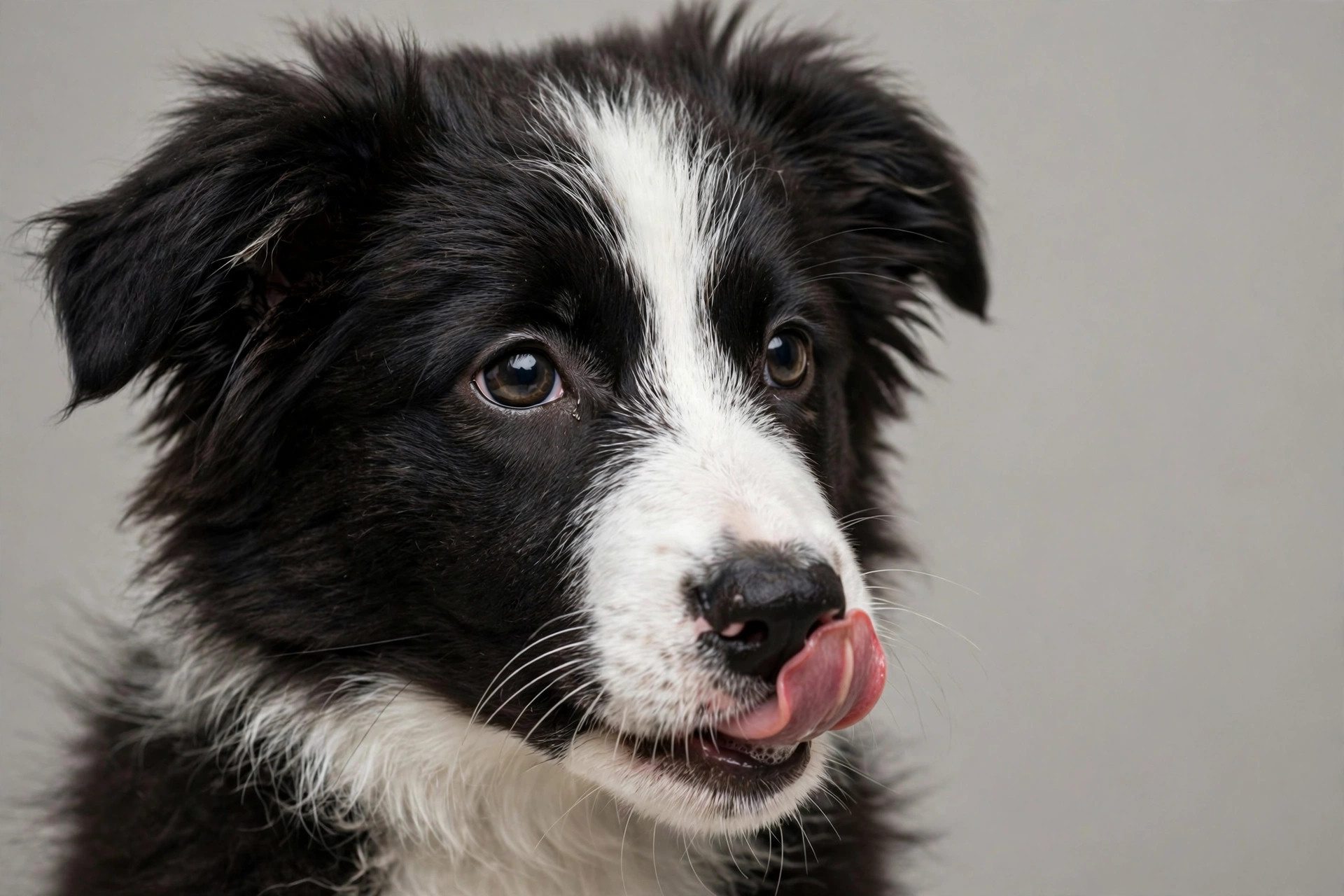
- Play growling: loose wiggly body, play bows, bouncy movements, higher-pitched rumbly sounds, takes breaks, comes back for more. The whole body says “this is fun!”
- Warning growling: stiff or frozen body, hard stare, closed mouth that opens to growl, low sustained pitch, whale eye (whites of eyes showing), lip lifting. The body says “I’m serious.”
When in doubt, assume warning and give space. You can always invite play again later; you can’t un-scare a puppy. Learning to read these signals is part of learning your puppy’s body language — one of the highest-value skills an owner can build.
What to Do When Your Puppy Growls (5 Steps)
Step 1: Stop What You’re Doing
The moment you hear a warning growl, calmly stop petting and withdraw your hand. Don’t jerk away fast (sudden movement can startle), just calmly pause. Thank your puppy mentally — they communicated instead of escalating.
Step 2: Give Space
Let your puppy move away if they want to. Don’t follow, don’t corner, don’t insist on cuddles. A puppy who can leave is a puppy who learns they don’t need to growl — escape is always available.
Step 3: Figure Out the Trigger
Play detective. Where were you petting? How long had you been petting? What was happening around you? Was food or a toy involved? Is this new behavior? Write it down if you need to — patterns emerge quickly. Most owners discover it’s one specific thing: the ears, the paws, petting while sleeping, or petting past the 20-second mark.
Step 4: Rebuild the Association
Once you know the trigger, change how your puppy feels about it. Short, gentle petting in the “safe” zones (chest, side of neck — most puppies prefer these over head pats) paired with treats. Keep sessions tiny: three seconds of petting, treat, done. Gradually extend as your puppy stays relaxed. If you’re working on handling tolerance generally, pair it with impulse-control games — a puppy who can regulate excitement handles petting better too.
For fear-based growling specifically, go even slower. Start without touching at all: hand near the puppy → treat, hand retreats. Then one-second touch → treat. You’re building a brand-new emotional response from scratch, and rushing is the enemy. Some nervous puppies need a week of “hand appears, treat happens, hand leaves” before they’re ready for actual petting — and that’s completely fine. The puppies who get this patient rebuild end up the most affectionate adults, because their trust was earned, not demanded.
Step 5: Teach Consent
The long-term fix is teaching your puppy that petting is their choice. Pet for 3–5 seconds, stop, and wait. If your puppy nudges your hand or leans in — that’s consent, keep going. If they move away or do nothing — session over, no hard feelings. Puppies who control the interaction almost always choose more affection over time, because it never becomes overwhelming.
What NEVER to Do When Your Puppy Growls
- Never punish the growl. No yelling, no leash jerks, no alpha rolls, no “dominance” nonsense. Punishing a growl doesn’t remove the underlying fear or discomfort — it just removes the warning. A puppy who learns not to growl is a puppy who may bite “without warning” someday. The growl is the smoke alarm; don’t smash the alarm while the fire burns.
- Never force cuddles. Holding a growling puppy down “to show them it’s fine” is flooding — it almost always makes fear worse and can trigger a defensive bite.
- Never corner a growling puppy. Always leave an escape route. Trapped animals escalate; animals who can leave usually choose to leave.
- Never ignore a new growl. A sudden change in behavior deserves attention — pain is the first suspect, not disobedience.
When to Call a Vet or Trainer
Most petting growls resolve with the steps above. Get professional help if:
- The growling appeared suddenly and you suspect pain — vet first, always.
- Growling is escalating: from growls to snarls to snaps, or the triggers are multiplying.
- Your puppy guards food, toys, or resting spots intensely and it’s getting worse, not better.
- You’re afraid of your puppy, or anyone in the household (especially kids) is at risk.
- The growling comes with aggression toward family members beyond petting contexts.
Look for a certified professional dog trainer (CPDT-KA) or veterinary behaviorist — not a “dominance” trainer. How a professional talks about growling tells you everything: the right ones treat it as communication; the wrong ones treat it as defiance.
Frequently Asked Questions
Is it normal for puppies to growl when petted?
Yes — very. Most puppies growl during petting at some point, usually from overstimulation or during play. It’s one of the most common puppy behaviors owners worry about unnecessarily.
Should I stop petting my puppy if he growls?
Yes, calmly pause. Stopping isn’t “giving in” — it’s respecting communication. Then figure out the trigger and rebuild the association with short, positive sessions.
Why does my puppy growl when I pet his head?
Many puppies dislike head pats — a hand looming over the head is naturally intimidating. Try chest or side-of-neck scratches instead; most puppies vastly prefer them.
My puppy growls in his sleep when I touch him. Is that bad?
Startled-sleep growling is a reflex, not attitude — imagine being woken by a grab. Let sleeping puppies lie: call their name gently first instead of touching.
Will my puppy grow out of growling?
Play growling usually fades with maturity. Warning growls fade when the underlying cause (overstimulation, fear, pain) is addressed — they don’t fade from being punished.
Can I still cuddle my puppy?
Absolutely — just on their terms. Short sessions, favorite spots, consent checks. Most puppies become more cuddly once they trust that affection never overwhelms them.
The Bottom Line
A puppy who growls when petted isn’t giving you a problem — they’re giving you information. Listen to it. Ease off when they’re overwhelmed, check for pain when it’s new, rebuild trust when they’re worried, and never punish the messenger.
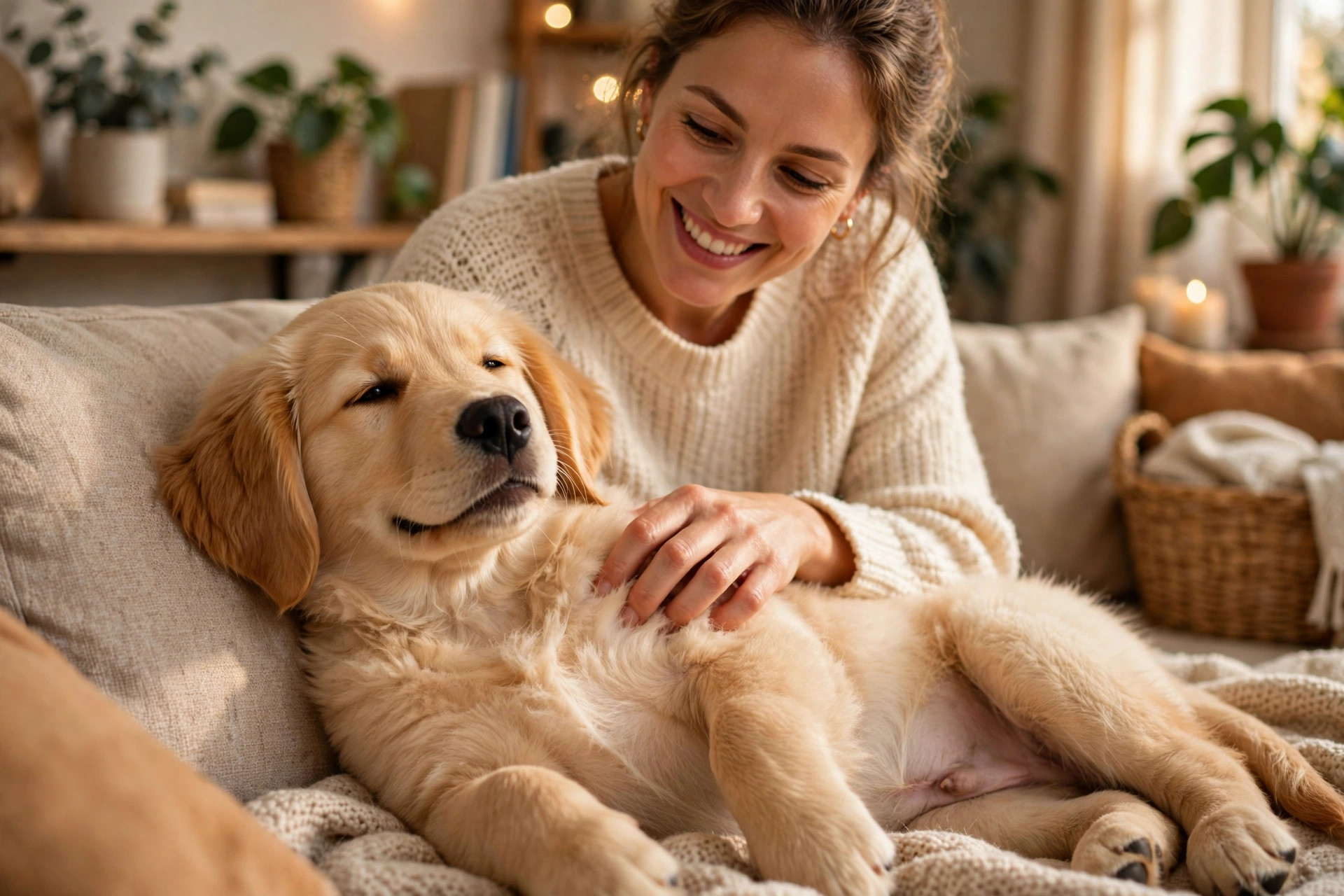
Do that, and something lovely happens: the growling fades, and in its place grows a puppy who actively seeks out your hand — because they’ve learned that your touch is always safe, always kind, and always their choice.
Related Reads
- How to Socialize a Puppy Properly
- Puppy Fear Periods: What Every Owner Should Know
- Why Is My Puppy Scared of Other Dogs? (6 Steps to Confidence)

