
Introduction: How to Potty Train a Puppy in 7 Days Successfully
Learning how to potty train a puppy in 7 days is every new dog owner’s dream. Nobody enjoys cleaning floors daily or worrying about constant accidents. The good news is that with the right routine, patience, and proven methods, you can teach your puppy proper toilet habits in just one week.
Many beginners think potty training is difficult, but in reality, puppies only need consistency and guidance. When you follow a clear system, your puppy learns quickly and gains confidence.
In this complete guide, you will discover how to potty train a puppy in 7 days using easy, home-based techniques that work for apartments, houses, and first-time owners.
Quick Overview: 7-Day Puppy Potty Training Plan
Before starting, understand this simple plan:
Day 1–2: Build routine
Day 3–4: Strengthen habits
Day 5–6: Increase freedom
Day 7: Confirm training
Following this structure helps your puppy understand where and when to go.

Why Potty Training Your Puppy Early Is Important
Early potty training helps build discipline and trust between you and your dog. When puppies understand bathroom rules, they feel secure and relaxed.
Without proper training, dogs may develop:
• Long-term bad habits
• Anxiety
• Confusion
• Behavioral problems
That is why learning how to potty train a puppy in 7 days from the beginning is essential.
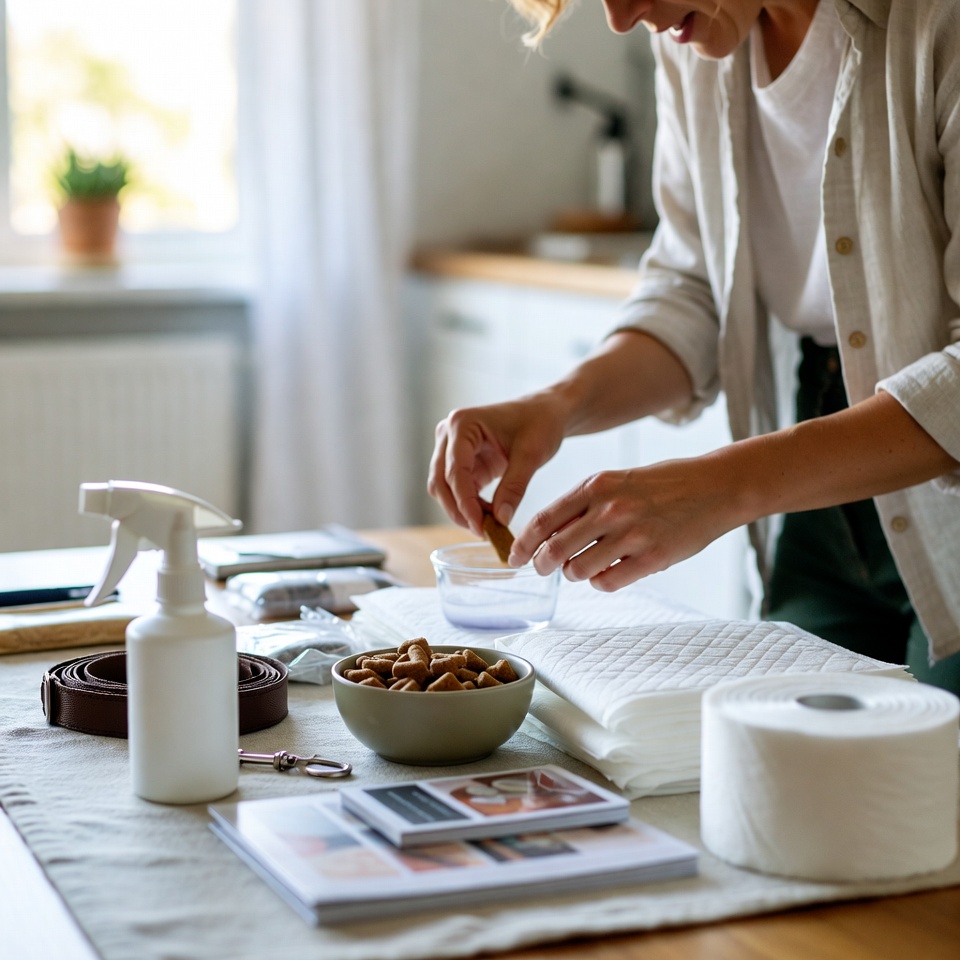
Step 1: Prepare Supplies for Puppy Potty Training
Before you start training, gather these items:
• Puppy pads
• Enzyme cleaner
• Treats
• Leash
• Comfortable crate
Choose one outdoor potty spot and use it daily. Never change locations during training.
Preparation makes potty training faster and easier.
Step 2: Create a Fixed Puppy Potty Training Routine
A strong routine is the foundation of learning how to potty train a puppy in 7 days.
Follow this daily schedule:
Morning
Wake → Potty → Feed → Potty
Daytime
Play → Potty → Nap → Potty
Evening
Feed → Potty → Play → Potty
Night
Final potty → Sleep
Always take your puppy outside after eating, sleeping, or playing.
Routine reduces accidents naturally.
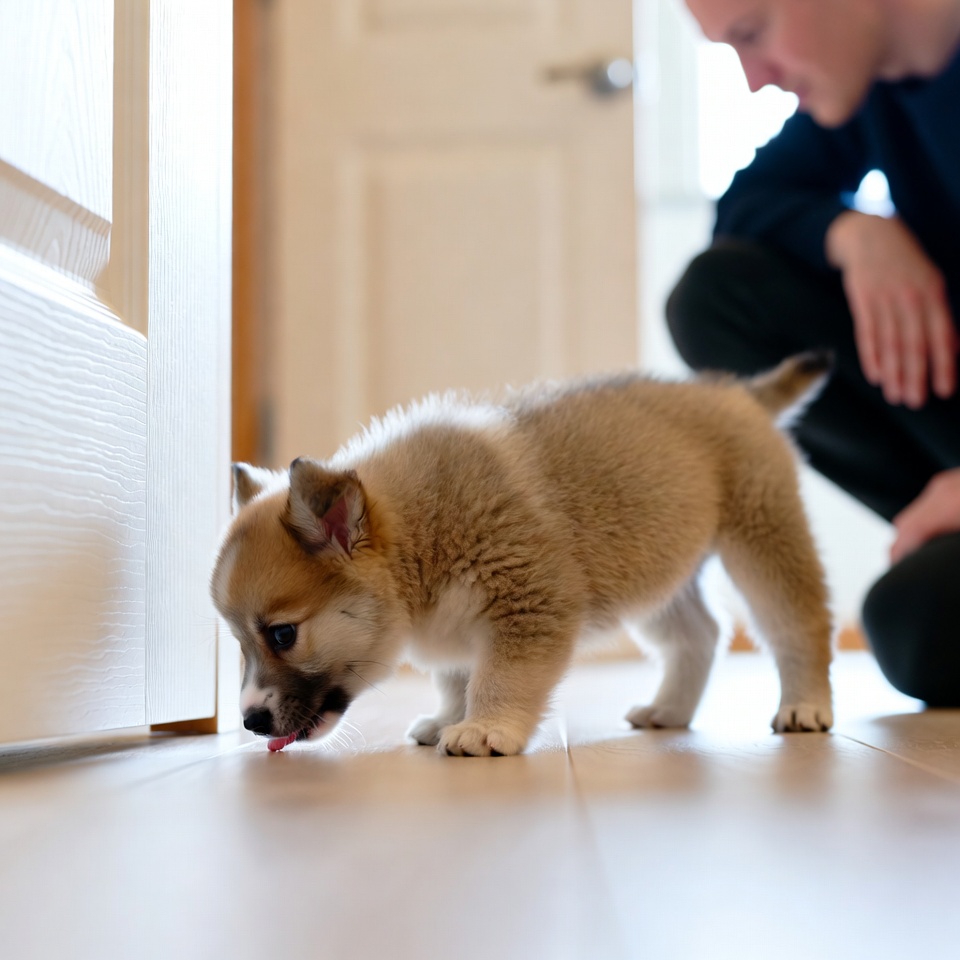
Step 3: Learn Puppy Potty Warning Signs
Puppies usually show signs before going potty.
Watch for:
• Sniffing floors
• Circling
• Whining
• Restlessness
• Moving to corners
When you see these signs, take your puppy outside immediately.
Fast action prevents mistakes.
Step 4: Use Positive Reinforcement in Puppy Training
Never punish your puppy for accidents.
Instead, reward good behavior.
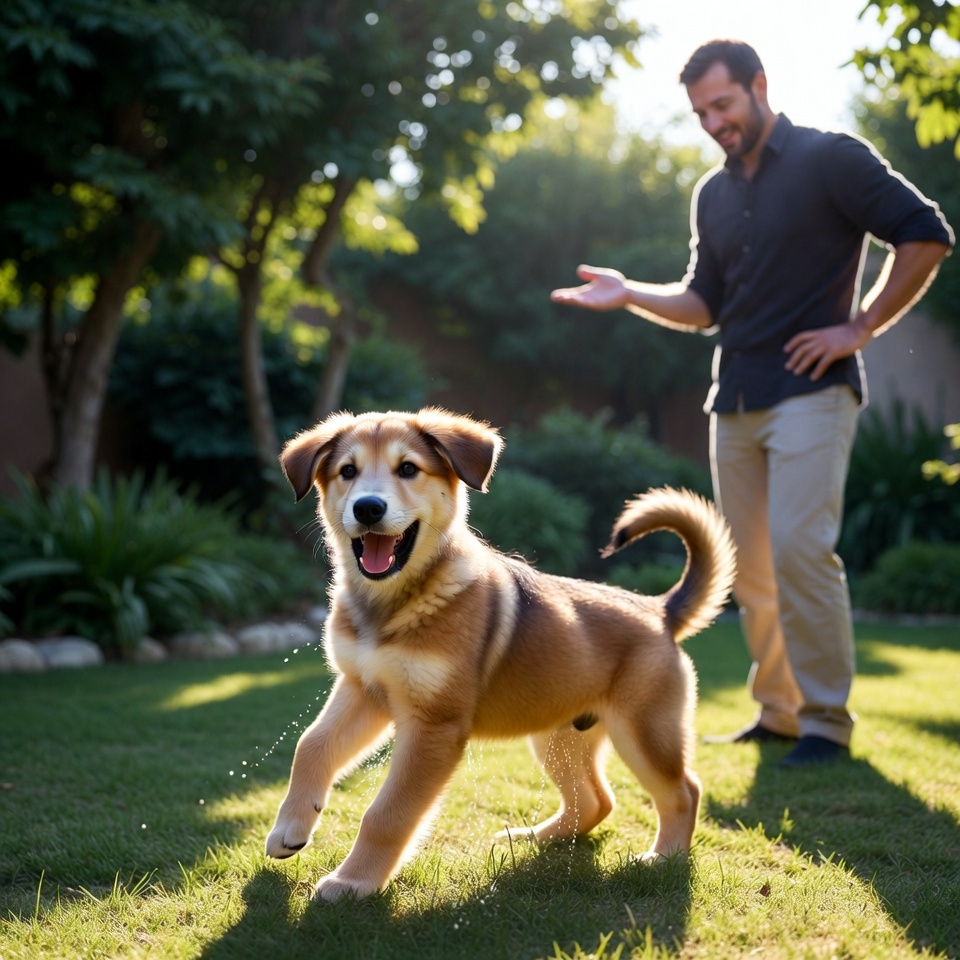
When your puppy goes in the right place:
• Praise verbally
• Give a treat
• Show excitement
Positive reinforcement teaches puppies faster and builds confidence.
This method is essential for how to potty train a puppy in 7 days.
Step 5: 7-Day Puppy Potty Training Schedule
Day 1–2: Awareness Stage
• Keep puppy close
• Take outside every 1–2 hours
• Reward successes
• Clean quietly
Goal: Teach potty location
Day 3–4: Habit Stage
• Add command “Go potty”
• Reduce indoor pads
• Increase outdoor trips
Goal: Build consistency
Day 5–6: Independence Stage
• Allow short freedom
• Observe remotely
• Maintain routine
Goal: Test learning
Day 7: Confirmation Stage
• Puppy goes near door
• Fewer accidents
• Better signals
Goal: Long-term habit
Step 6: Use Crate Training for Faster Results
Crate training supports potty habits because dogs avoid dirty sleeping spaces.
Rules:
• Proper crate size
• No punishment
• Comfortable bedding
Routine:
Sleep → Wake → Potty → Play
This method speeds up how to potty train a puppy in 7 days.
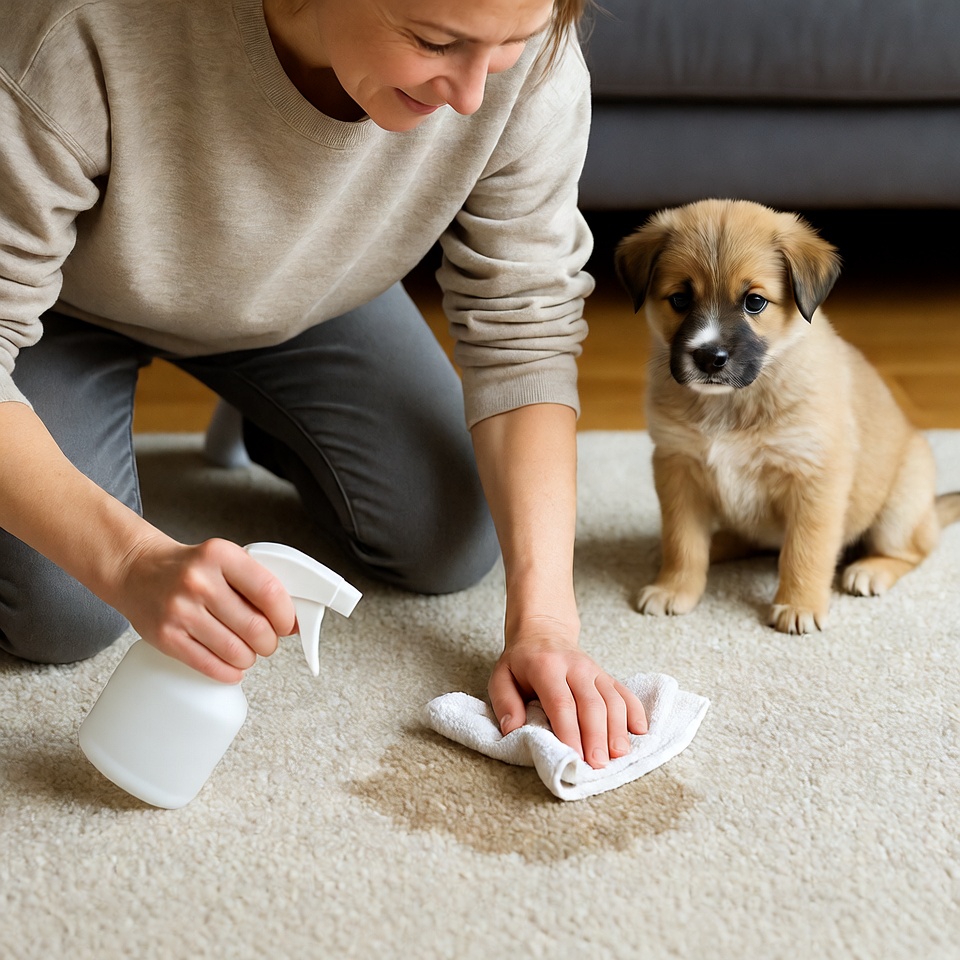
Step 7: Clean Accidents the Right Way
Improper cleaning causes repeat mistakes.
Always use enzyme cleaners.
Never use bleach or strong perfume sprays.
Remove all odors completely.
Common Puppy Potty Training Mistakes
Avoid these mistakes:
• Skipping routine
• Changing potty spot
• Not rewarding
• Punishing accidents
• Poor supervision
These errors slow down training.
Indoor Puppy Potty Training for Apartments
If you live in an apartment, use:
• Training pads
• Balcony grass mat
• Artificial turf
Gradually move pads toward outdoor area.
This prevents confusion.
How Long Does It Take to Fully Potty Train a Puppy?
Average timeline:
7–14 days: Basic control
1 month: Strong habits
2–3 months: Full reliability
Consistency decides speed.
Pro Tips That Speed Up Any Potty Plan
Beyond the day-by-day schedule above, these small details make a surprisingly big difference in how fast your puppy gets it:
- Pick one designated potty sp Take your puppy to the same outdoor spot every time. The scent from previous trips encourages him to go again there, and a familiar location builds recognition much faster than rotating spots.ot.
- Add a verbal potty cue. As your puppy starts to go, calmly say “go potty.” Repeat it every time, and he’ll soon associate the words with the action — incredibly useful during travel, bad weather, or late-night outings.
- Set up the nights right. Young puppies often need a nighttime break. Remove water about an hour before bed, take one final potty trip right before sleep, and use the crate overnight. Most puppies sleep through the night by around 4 months old.
- Recognize the signs it’s work You’re on track when your puppy heads to the door on his own, waits for scheduled breaks, has fewer indoor accidents, and quickly uses the same outdoor spot. Full bladder control typically develops around 4–6 months of age.ing.
Frequently Asked Questions
Can you really potty train a puppy in 7 days?
Yes — basic habits can form in 7 days with a strict routine, consistent spot and instant rewards. Full reliability still takes longer, as bladder control develops around 4–6 months of age.
What does the 7-day potty training schedule look like?
Days 1–2 build routine awareness, days 3–4 strengthen habits with a verbal cue, days 5–6 test independence with short freedom, and day 7 confirms the training. Take your puppy out every 1–2 hours throughout.
Do I need puppy pads for the 7-day plan?
Pads are helpful for apartments and very young puppies but aren’t required. If you use them, keep them in one fixed spot and reduce them by days 3–4 as outdoor trips increase.
What if my puppy still has accidents after 7 days?
That’s normal — check your schedule, supervision and cleaning routine for gaps. Never punish; tighten the routine, clean every accident with enzyme cleaner, and give it another consistent week.
Long-Term Tips for Permanent Potty Training Success
To maintain results:
• Keep routine
• Reward occasionally
• Observe behavior
• Adjust with age
• Stay patient
Training improves with time.
Conclusion: Master How to Potty Train a Puppy in 7 Days
Learning how to potty train a puppy in 7 days is possible when you follow a structured plan. With routine, positive reinforcement, and patience, your puppy will develop clean habits quickly.
Every well-trained dog started as a beginner.
Stay consistent, trust the process, and enjoy stress-free puppy life.
To master the fast-training fundamentals before you begin, or adapt this apartment potty plan if you have no garden. Follow the first-week schedule together — and use a crate routine for faster results.
Learning how to potty train a puppy in 7 days is possible when you follow a structured plan. With routine, positive reinforcement, and patience, your puppy will develop clean habits quickly. Every well-trained dog started as a beginner.Stay consistent, trust the process, and enjoy stress-free puppy life.

