
Few puppy behaviors are as embarrassing as humping. One minute your sweet puppy is playing, the next they’re latched onto a pillow, a stuffed toy, another dog — or your guest’s leg. If you’re wondering why your puppy humps everything, here’s the reassuring truth: it’s completely normal, it’s rarely about what you think it’s about, and it’s very fixable.
This guide breaks down the real reasons puppies hump, the dominance myth that needs to die, when humping signals a problem worth a vet visit, and the calm, punishment-free way to stop it.
First: It’s (Almost) Never About Dominance
Let’s kill the biggest myth first. For decades, people were told that humping means a dog is “trying to dominate” you or “showing who’s boss.” Modern behavioral science disagrees: in puppies especially, humping is almost never a dominance play.
Puppies hump because they’re overexcited, overtired, anxious, or overstimulated — not because they’re plotting a household coup. Treating it as a dominance issue leads owners to use confrontational “corrections” that don’t address the real cause and often make anxiety-driven humping worse. Once you understand what’s actually driving the behavior, stopping it becomes straightforward.
The 5 Real Reasons Puppies Hump
1. Overexcitement and Overstimulation
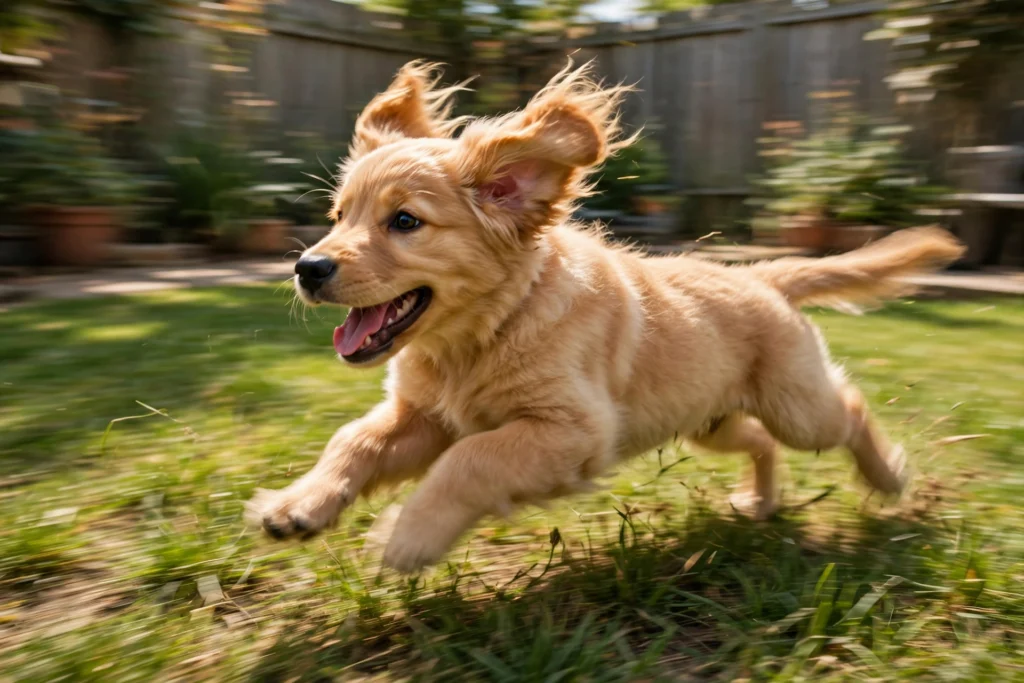
This is the number one cause. Young puppies are terrible at regulating big emotions. A thrilling play session, visitors arriving, a new dog to greet — excitement spikes, the puppy doesn’t know what to do with all that energy, and humping becomes a physical outlet. If your puppy humps during or right after wild play, overstimulation is almost certainly the reason.
2. Being Overtired
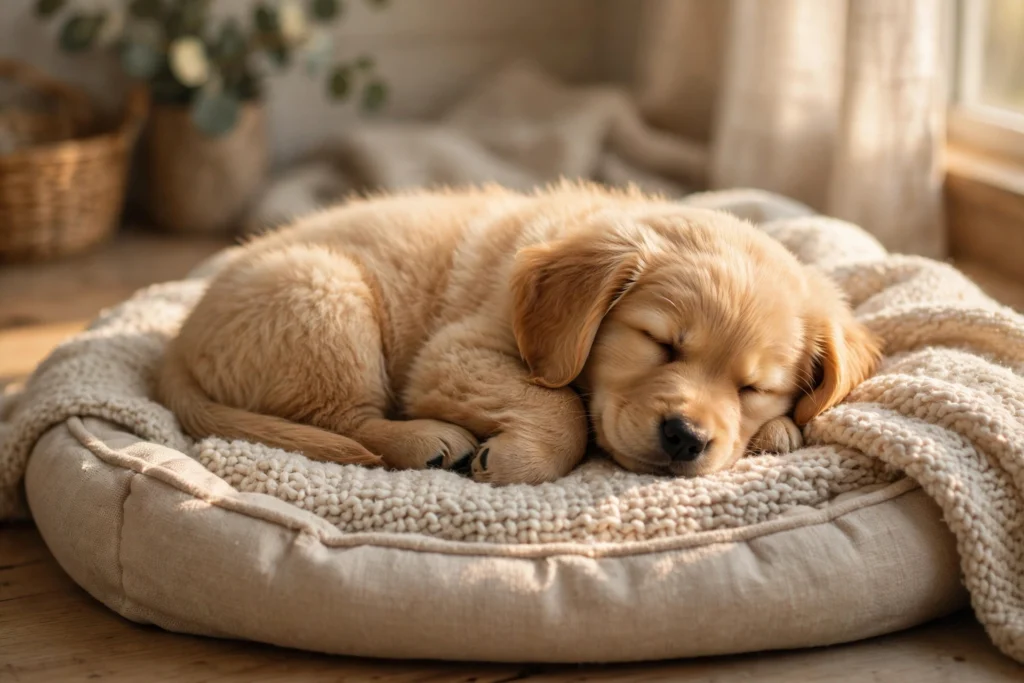
An overtired puppy and an overexcited puppy look surprisingly similar — both get wild, mouthy, and yes, humpy. Puppies need 18–20 hours of sleep a day, and a puppy that’s been awake too long loses all impulse control. The classic pattern: a fun afternoon, skipped nap, then an evening of chaos including humping. The fix isn’t training — it’s a nap.
3. Anxiety and Stress
Humping is a self-soothing behavior for some puppies, the way a child might suck their thumb. New home, loud noises, changes in routine, being left alone, scary visitors — anxious puppies hump pillows, blankets, or toys to calm themselves down. If the humping clusters around stressful situations, you’re looking at anxiety, not naughtiness.
4. Play Behavior and Habit
In puppy play, humping is simply part of the wrestling vocabulary — one more way to engage with a playmate or toy. The problem starts when it gets rehearsed: every repetition makes the habit stronger. A puppy that humps the same stuffed toy daily isn’t being “bad” — they’ve just built a routine, the same way a dog spins before lying down.
5. Hormones (From Around 5–8 Months)
Most puppies approach sexual maturity between 5 and 8 months, and intact puppies may start humping for genuinely hormonal reasons — including reacting to the scent of a female in heat nearby. This is the one cause where spaying or neutering can help. But note: neutering reduces hormone-driven humping only; it won’t fix humping caused by excitement, anxiety, or habit. Many neutered dogs hump their whole lives for those other reasons.
A sixth, rarer cause worth knowing: medical issues such as urinary tract infections, skin irritation, or prostate problems can trigger humping. If humping starts suddenly in an older puppy with no behavior change otherwise, a vet check is smart.
When Humping Is Normal vs. When to Worry
Normal — handle with training:
- Occasional humping during exciting play
- Humping a favorite toy or pillow at predictable times (after walks, before bed)
- Brief episodes the puppy can be easily redirected from
- Puppy is otherwise happy, healthy, and relaxed
See your vet — rule out medical causes:
- Sudden onset of frequent humping with no obvious trigger
- Humping paired with licking the genital area, straining to urinate, or discharge
- Skin redness, scratching, or irritation around the belly or rear
- Humping that escalates despite weeks of consistent redirection
- Any humping accompanied by pain, lethargy, or appetite changes
How to Stop Puppy Humping: The Redirection Method
Punishment doesn’t work here — yelling, pushing the puppy off, or “correcting” them harshly adds stress (which can increase anxiety-driven humping) and damages trust. Instead, use calm interruption plus redirection:
Step 1: Interrupt Calmly
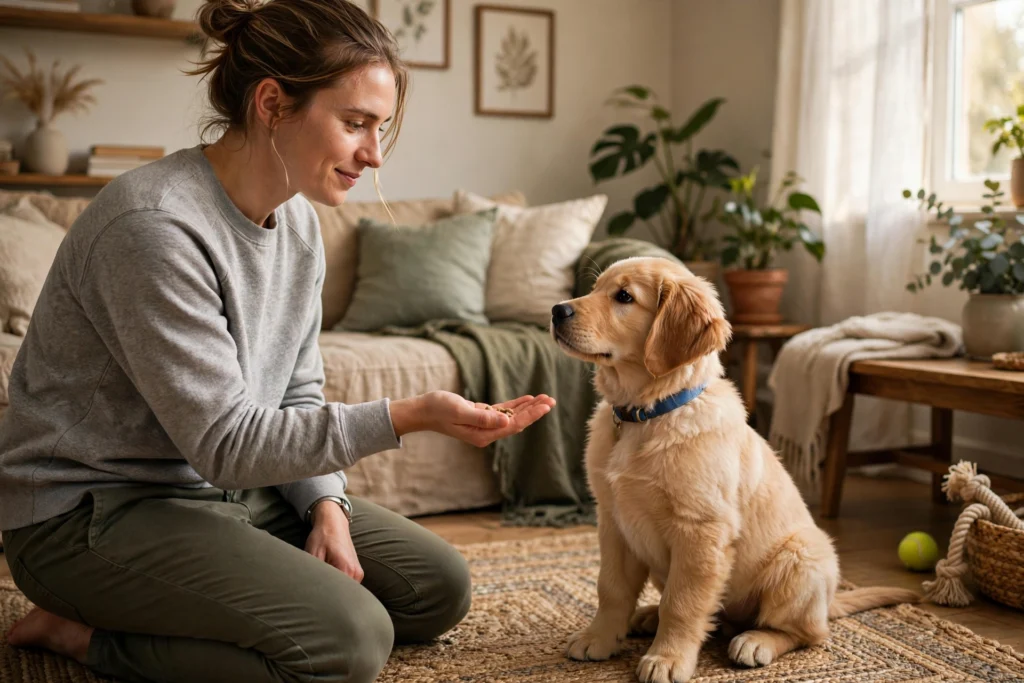
The moment humping starts, use your puppy’s name or a cheerful interrupter (“oops!”) to break their focus. Keep your voice light — you’re redirecting, not scolding. If they don’t respond to voice, calmly walk over and gently guide them away.
Step 2: Redirect to Something Better
Immediately ask for a behavior your puppy knows — sit, down, touch — and reward it. Or redirect to a toy, a quick training game, or a sniff-and-search activity. You’re teaching the puppy: “when that urge hits, doing THIS earns good things instead.”
Step 3: Address the Root Cause
- Overexcitement? End the wild play before the humping starts. Learn your puppy’s pre-hump signals (frenzied eyes, faster movements) and call a calm break early.
- Overtired? Enforce naps. A humpy evening puppy usually just needs to sleep.
- Anxiety? Reduce the stressor where possible and build confidence with positive training. Don’t punish stress behavior.
- Habit? Remove or rotate the favorite hump target for a few weeks while you build the redirection habit. Some owners provide a designated pillow as a temporary management tool while working on the underlying cause.
Step 4: Manage the Environment
Prevention beats correction. Keep greetings low-key, end play sessions before frenzy peaks, give anxious puppies safe spaces, and make sure exercise and sleep are balanced. Most humping fades as puppies mature and learn better outlets — consistency is what gets you there.
What NOT to Do
- Don’t yell, push, or physically punish — it increases anxiety and can escalate into fear or aggression
- Don’t laugh and encourage it — attention (even amused attention) rewards the behavior
- Don’t assume neutering is a magic fix — it helps hormone-driven humping only
- Don’t let other dogs “teach them a lesson” — an unfamiliar dog’s harsh correction can traumatize a puppy; a tolerant dog teaches them humping is fine
- Don’t ignore sudden changes — new, intense humping deserves a vet check before a training plan

Frequently Asked Questions
Why does my puppy hump his toys but not people?
Toys are the safest, most available outlet — this is actually the easiest version of the problem to manage. Redirect to a training game when it starts, and rotate the favorite toy out for a while if it’s becoming a fixed habit.
Will my puppy grow out of humping?
Often, yes — especially excitement-based humping, which fades as puppies mature and develop impulse control. But humping that’s rehearsed daily can become a lifelong habit, so it’s worth addressing with redirection rather than waiting.
Does neutering stop puppy humping?
It reduces hormone-driven humping in intact males, but most puppy humping isn’t hormonal — it’s excitement, tiredness, anxiety, or habit. Neutering won’t fix those causes. Many neutered dogs hump occasionally their whole lives.
Is it bad to let my puppy hump a pillow?
It’s not harmful in itself, and some trainers use a designated pillow as a management tool while addressing the root cause. But if you want the behavior gone, every rehearsal strengthens the habit — so redirect instead of allowing it.
Why does my puppy hump other dogs at the park?
Usually overexcitement or overstimulation from the social chaos. Calmly remove your puppy for a short break the moment it starts — this teaches them that humping ends the fun. If it happens every visit, the park may simply be too much stimulation right now.
My puppy humps when guests arrive. What should I do?
Guest arrivals are peak excitement. Manage it: greet guests calmly, keep your puppy on a leash for the first minutes, ask for a sit, and reward calm behavior. Prevention (a settled greeting routine) works far better than reacting mid-hump.
Related reads
- Puppy Training Schedule: What to Teach by Age
- What Age Do Puppies Calm Down? Timeline by Breed Size
- Puppy Sleep Schedule by Age: How Much Sleep Do Puppies Need?

, when to worry & how to stop puppy humping with calm redirection training.)